
Rebalanced me Moments
Here you'll find a collection of moments, some from my own reflections, some drawn from the quiet shifts I've seen in my work. Short pieces to sit with, share, or return to when you need a gentle reminder. Take what resonates. Leave what doesn't.
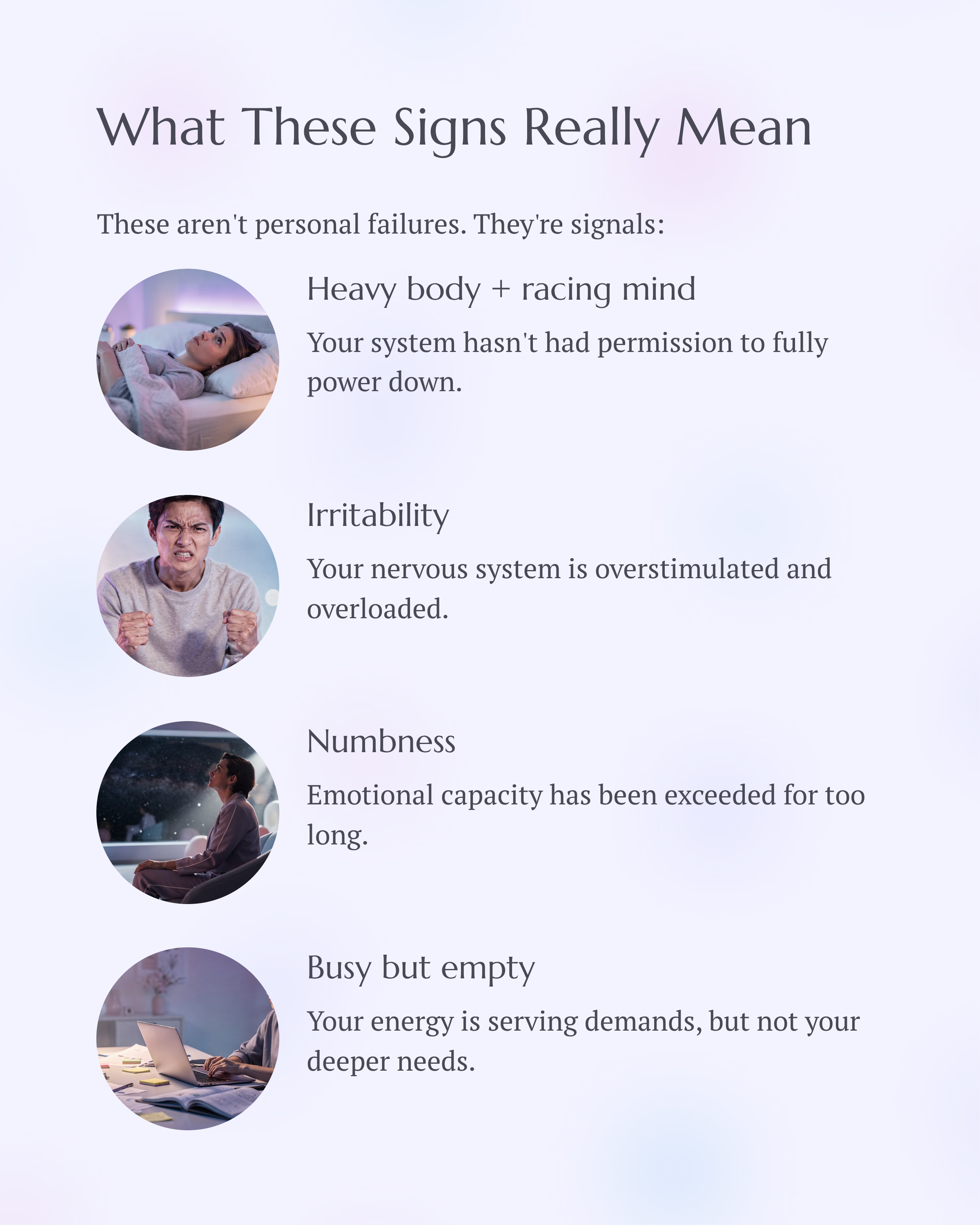
Burnout doesn’t happen all at once. It builds quietly, while you keep showing up and pushing through. Many people respond by trying to 𝘧𝘪𝘹 𝘵𝘩𝘦𝘮𝘴𝘦𝘭𝘷𝘦𝘴 or by forcing rest just to become productive again. But burnout isn’t a failure. It’s a 𝘀𝗶𝗴𝗻𝗮𝗹. It’s your system asking for something different. Not more effort, but more 𝗹𝗶𝘀𝘁𝗲𝗻𝗶𝗻𝗴. Not more control, but more 𝗿𝗲𝗰𝗼𝗻𝗻𝗲𝗰𝘁𝗶𝗼𝗻. 🌿 When you stop fighting the exhaustion and start understanding it, you begin to find your way back to yourself, one gentle step at a time. 💡 As you read, notice: 𝗪𝗵𝗶𝗰𝗵 𝘀𝗶𝗴𝗻𝗮𝗹 𝗳𝗲𝗲𝗹𝘀 𝗳𝗮𝗺𝗶𝗹𝗶𝗮𝗿 𝘁𝗼 𝘆𝗼𝘂 𝗿𝗶𝗴𝗵𝘁 𝗻𝗼𝘄?
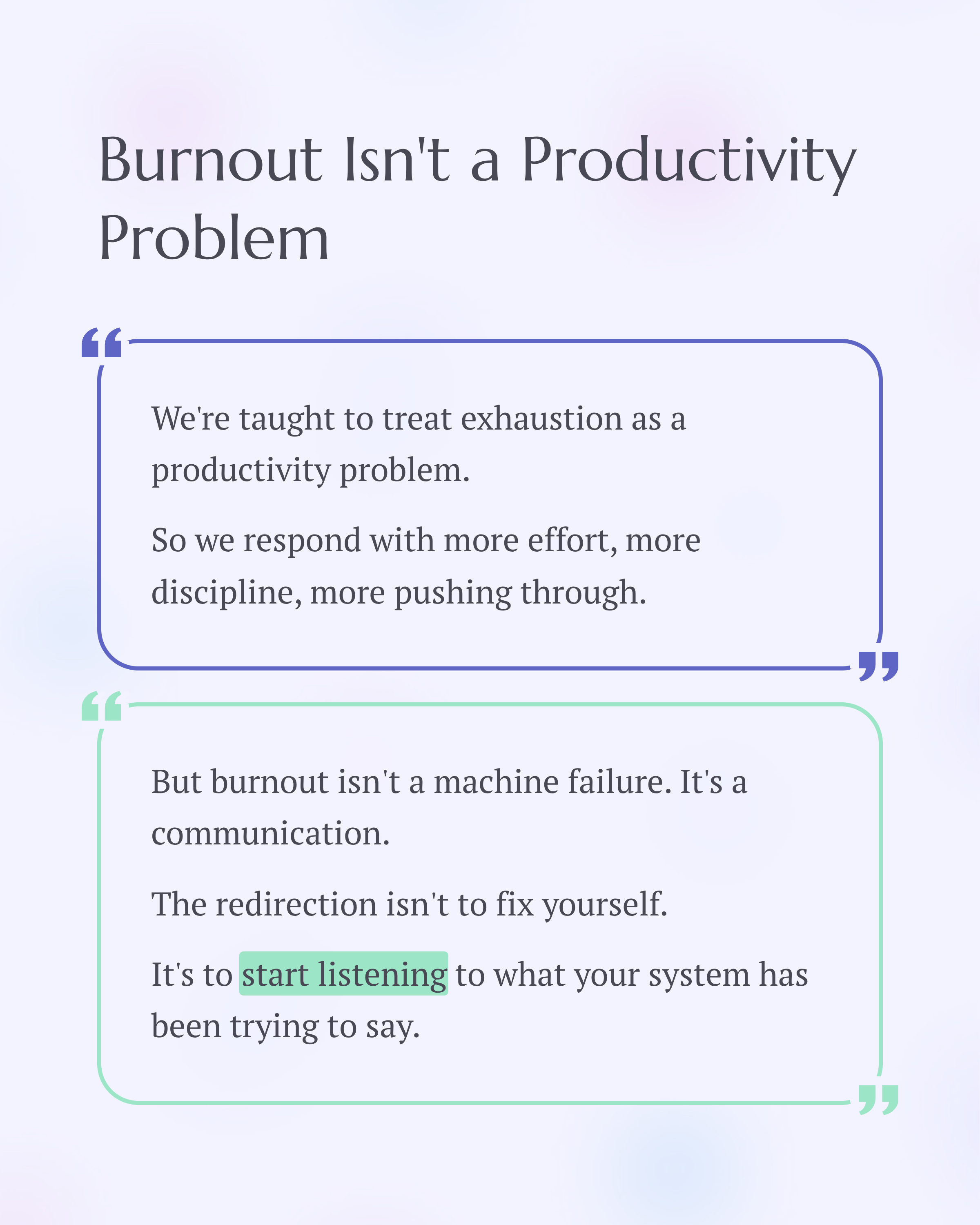
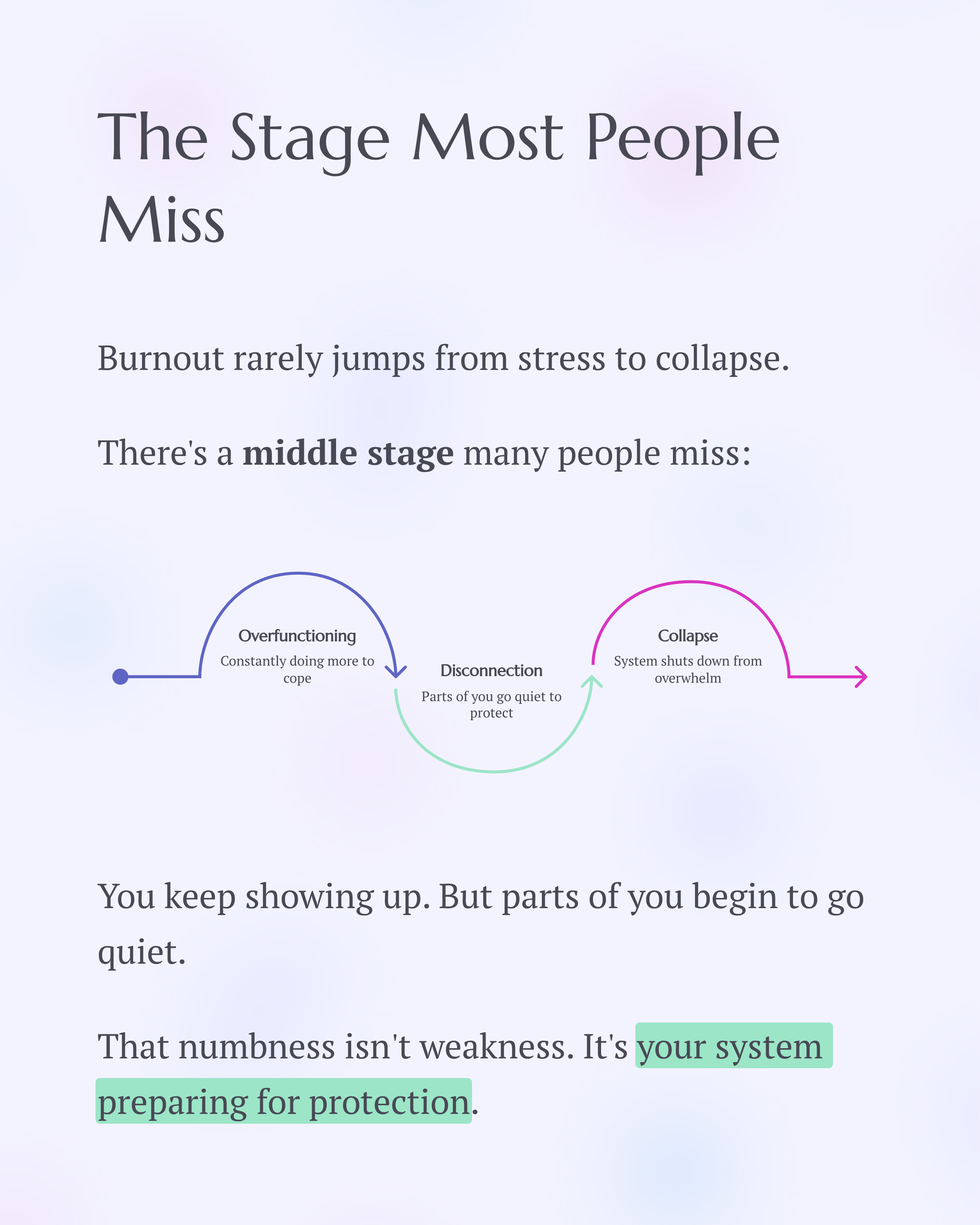
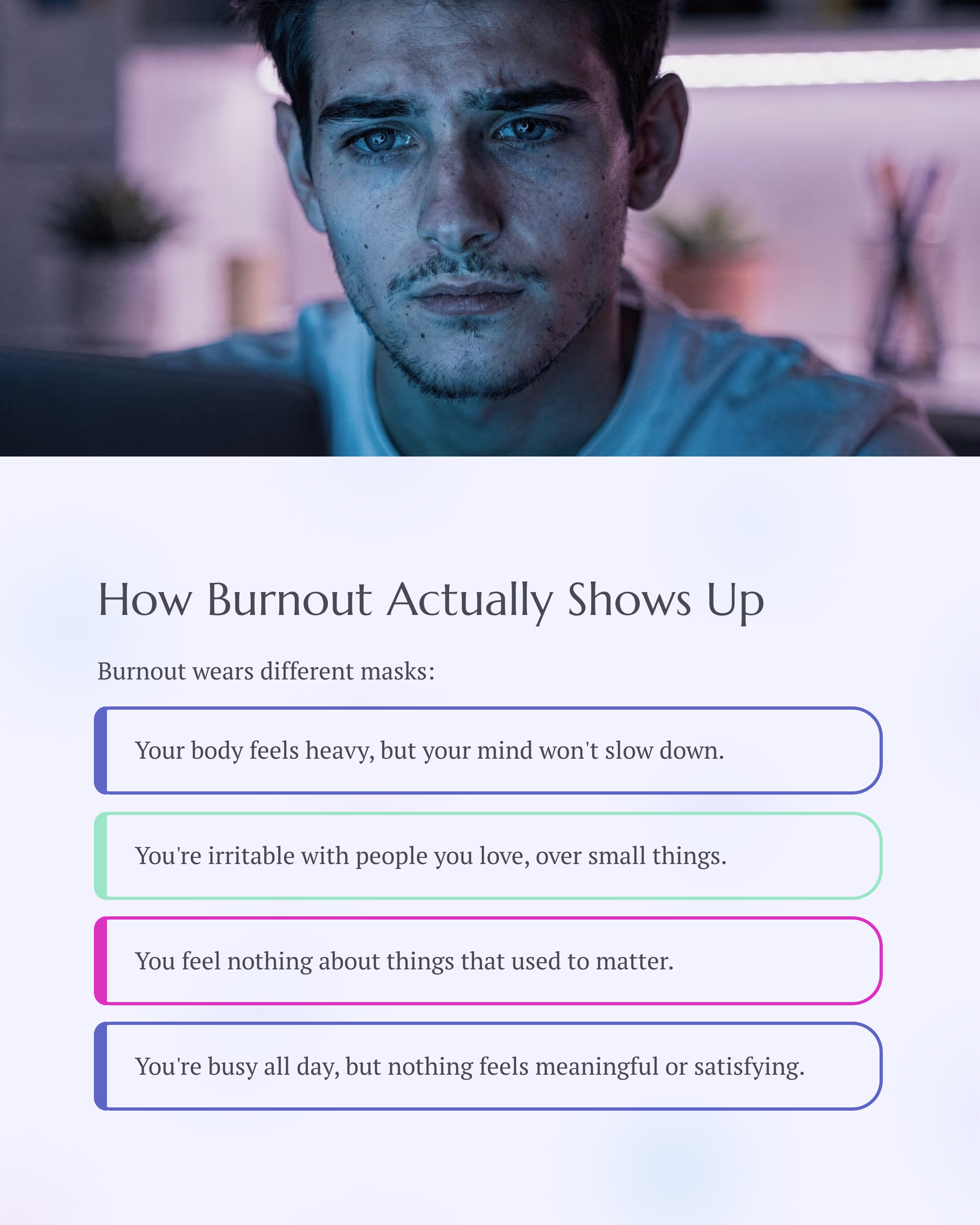
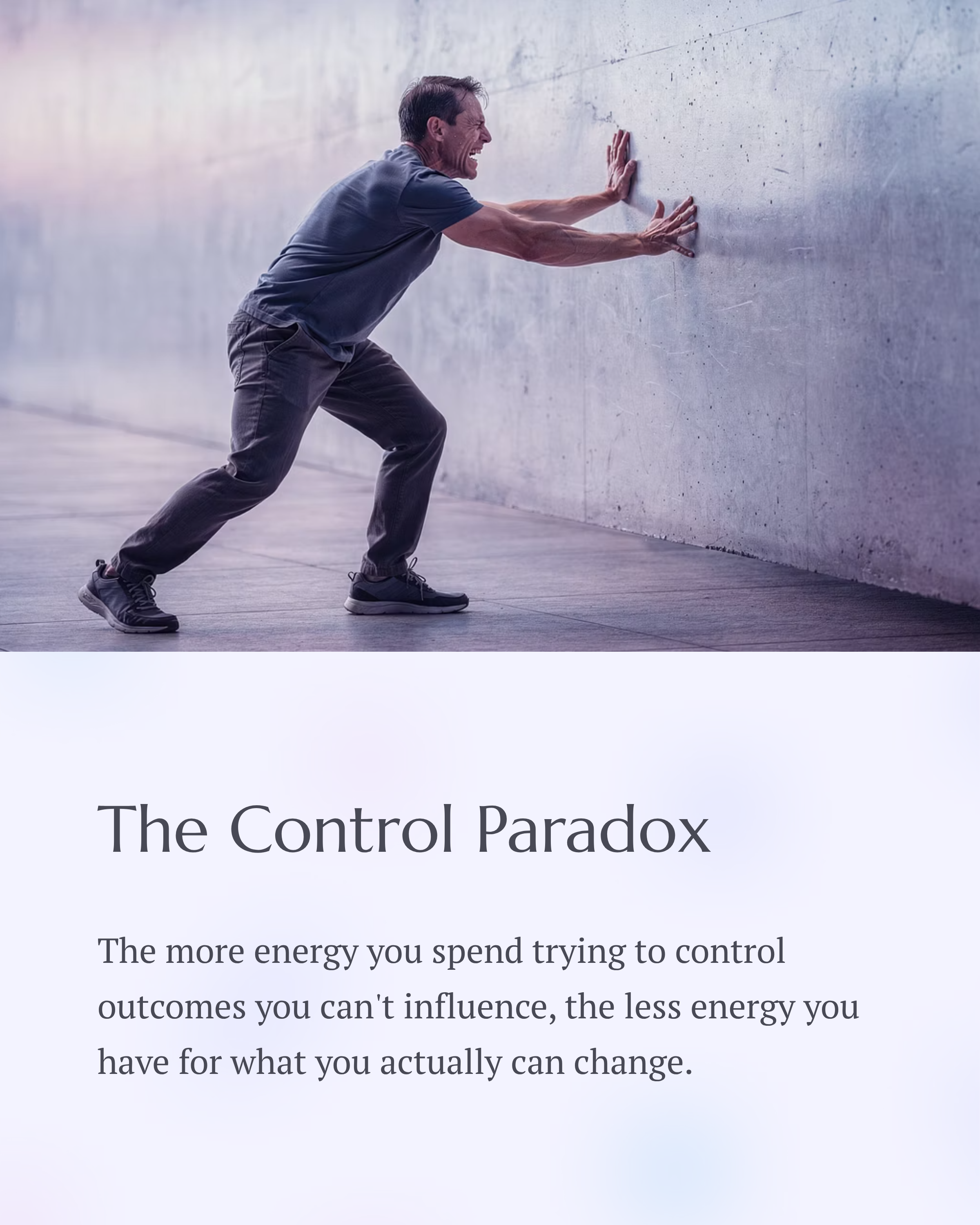
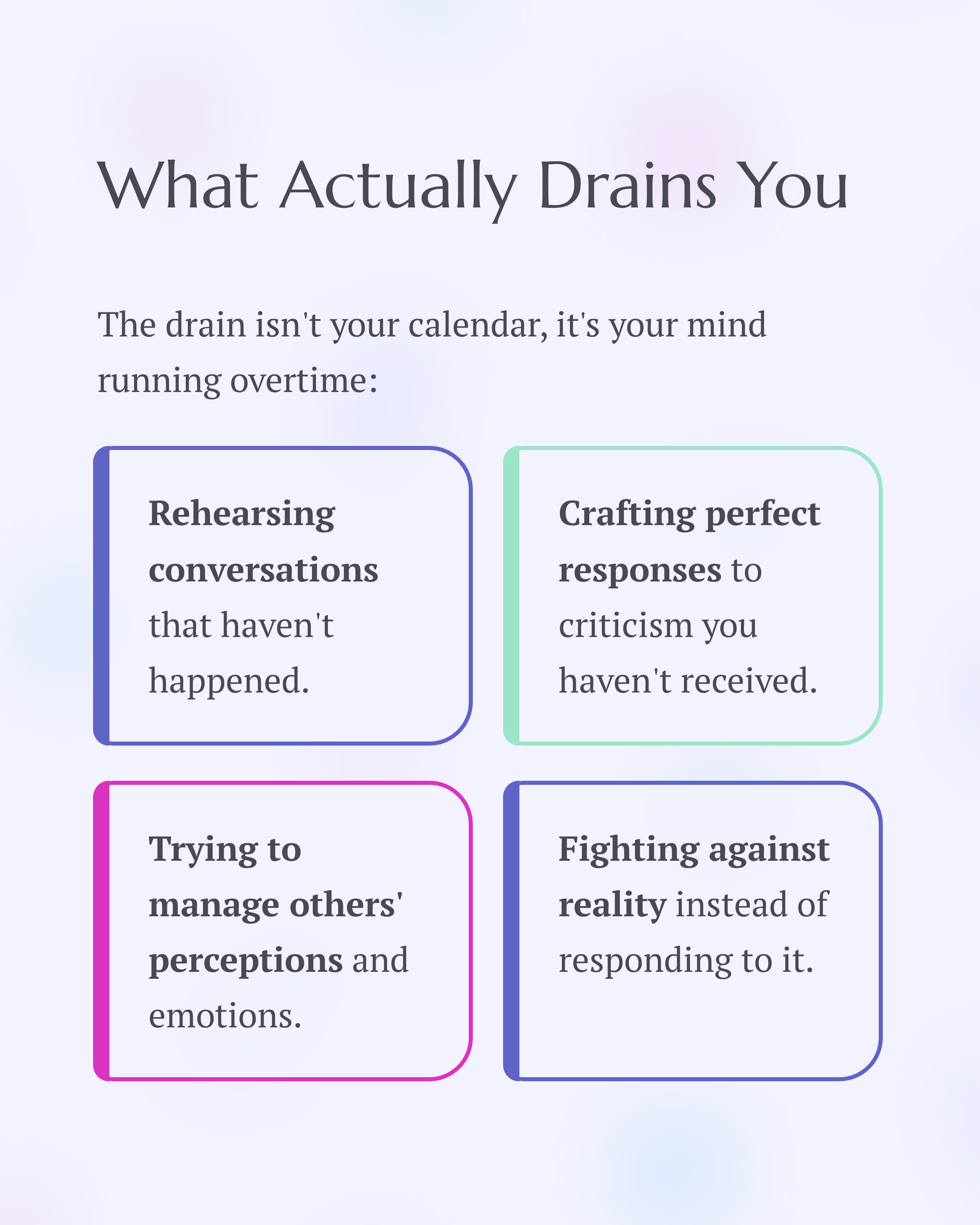
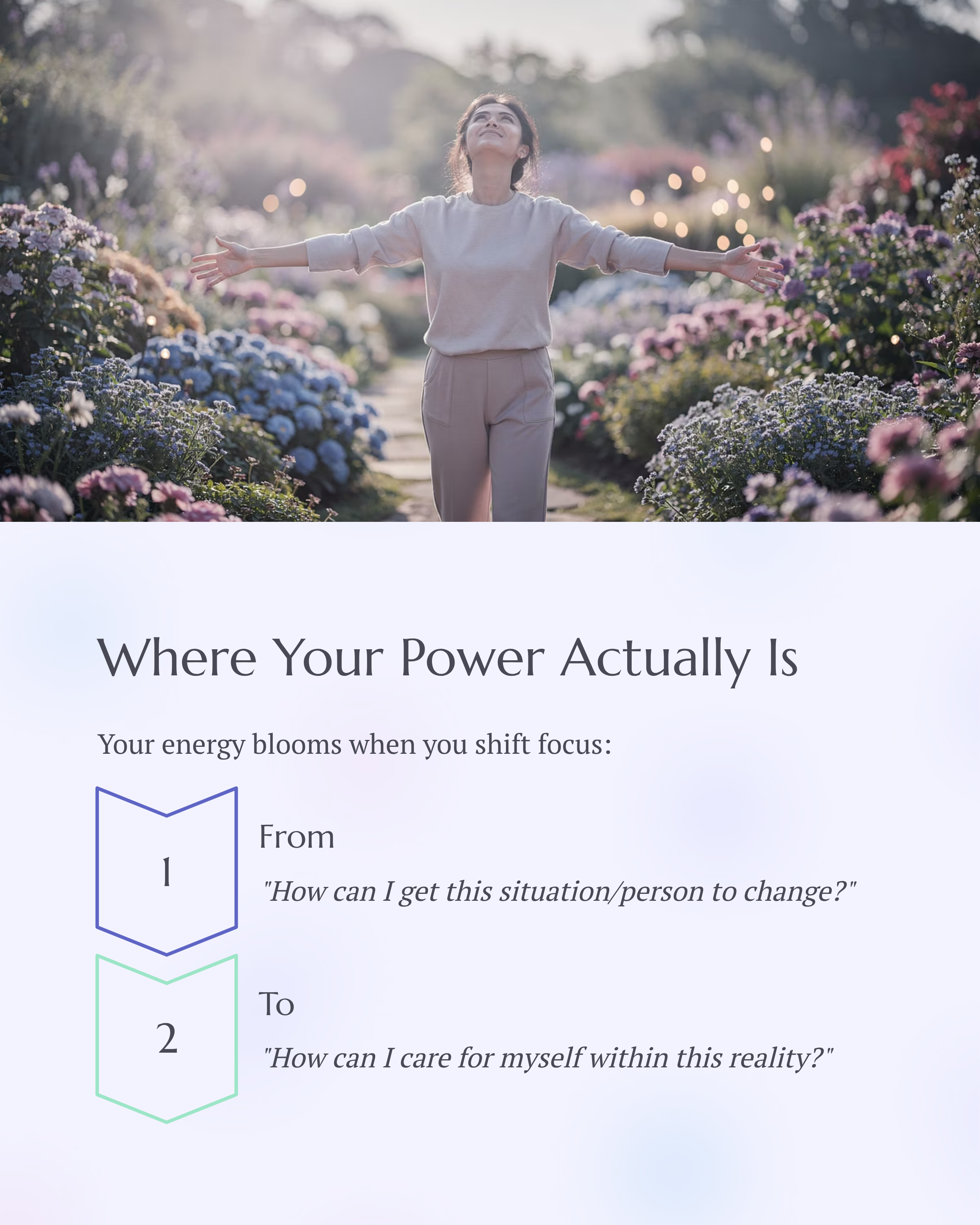
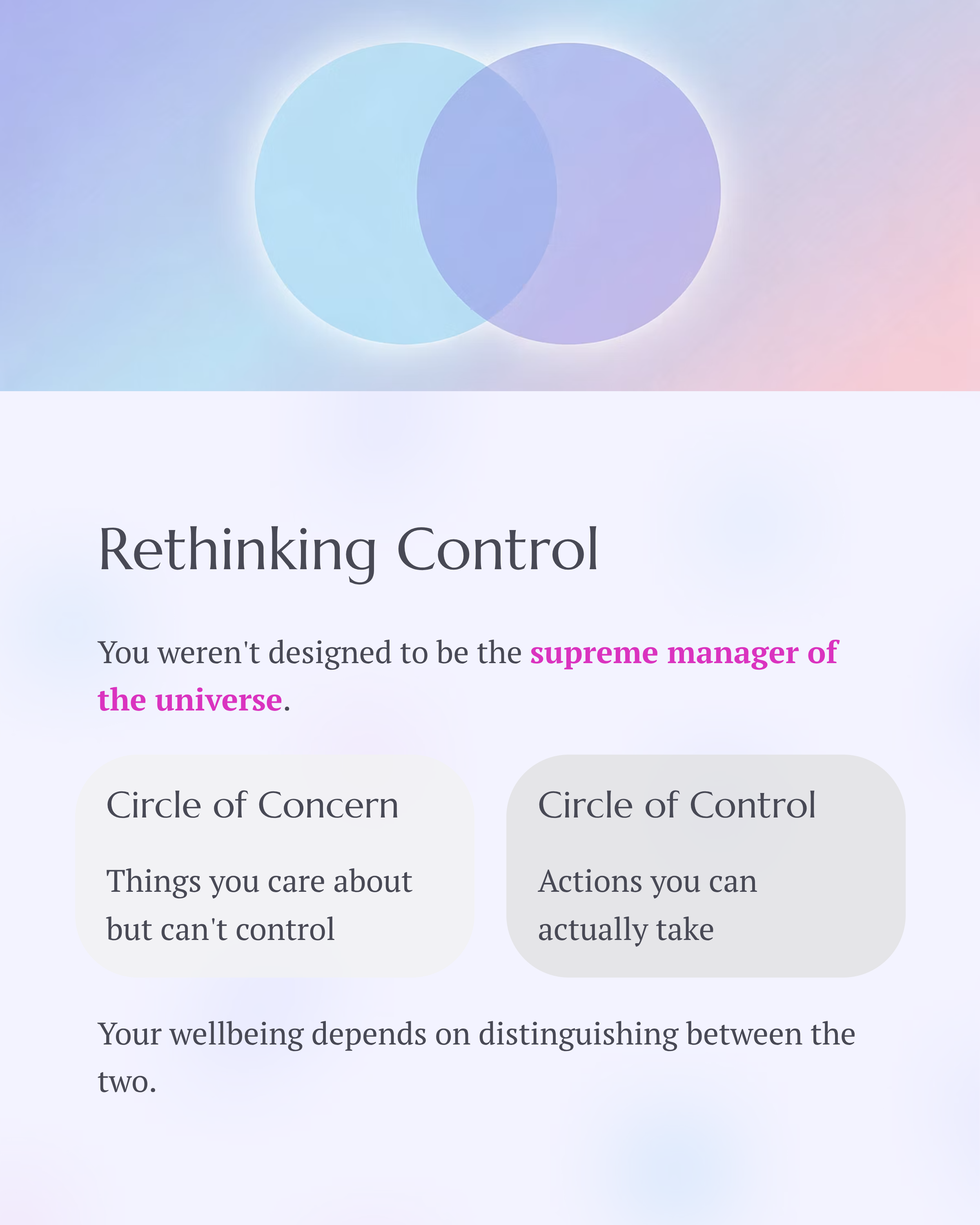
𝗧𝗵𝗲 𝗘𝘅𝗵𝗮𝘂𝘀𝘁𝗶𝗼𝗻 𝗼𝗳 𝗖𝗼𝗻𝘁𝗿𝗼𝗹 💨 Many people think that 𝗯𝗲𝗶𝗻𝗴 𝗶𝗻 𝗰𝗼𝗻𝘁𝗿𝗼𝗹 is the ultimate defense against burnout and chaos. But trying to control everything can quietly 𝗱𝗿𝗮𝗶𝗻 𝘆𝗼𝘂𝗿 𝗲𝗻𝗲𝗿𝗴𝘆, even when your calendar looks fine. 💡 The shift isn’t about doing more or trying harder. It’s about 𝗳𝗼𝗰𝘂𝘀𝗶𝗻𝗴 𝗼𝗻 𝘄𝗵𝗮𝘁 𝘆𝗼𝘂 𝗰𝗮𝗻 𝗶𝗻𝗳𝗹𝘂𝗲𝗻𝗰𝗲 and 𝗰𝗮𝗿𝗶𝗻𝗴 𝗳𝗼𝗿 𝘆𝗼𝘂𝗿𝘀𝗲𝗹𝗳 𝘄𝗶𝘁𝗵𝗶𝗻 𝗿𝗲𝗮𝗹𝗶𝘁𝘆. ✨ Today, notice one area where you might be 𝗲𝘅𝗽𝗲𝗻𝗱𝗶𝗻𝗴 𝗲𝗻𝗲𝗿𝗴𝘆 𝘁𝗿𝘆𝗶𝗻𝗴 𝘁𝗼 𝗰𝗼𝗻𝘁𝗿𝗼𝗹 𝘄𝗵𝗮𝘁’𝘀 𝗼𝘂𝘁𝘀𝗶𝗱𝗲 𝘆𝗼𝘂𝗿 𝗰𝗼𝗻𝘁𝗿𝗼𝗹. What would happen if you redirected that energy to something that actually matters?
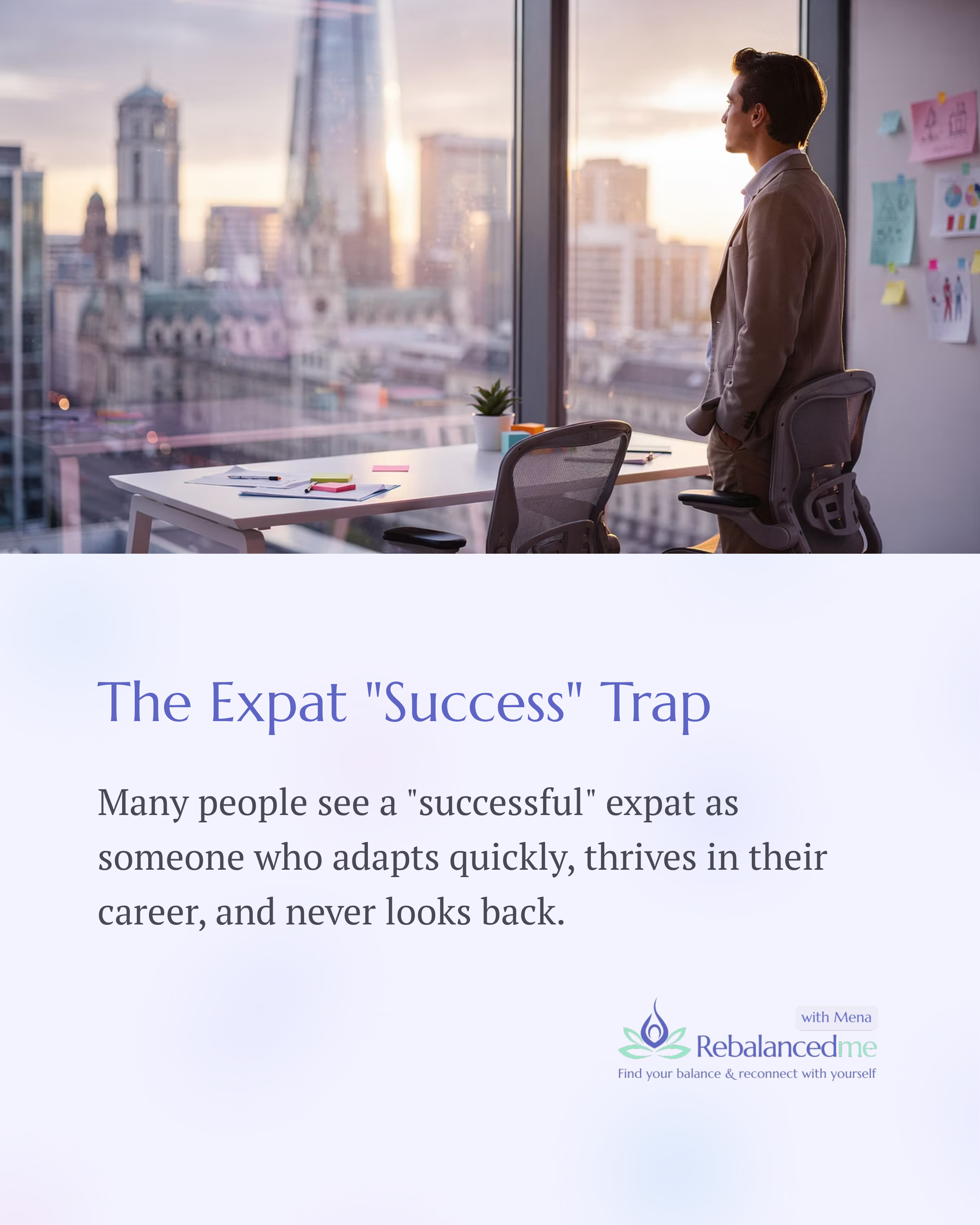
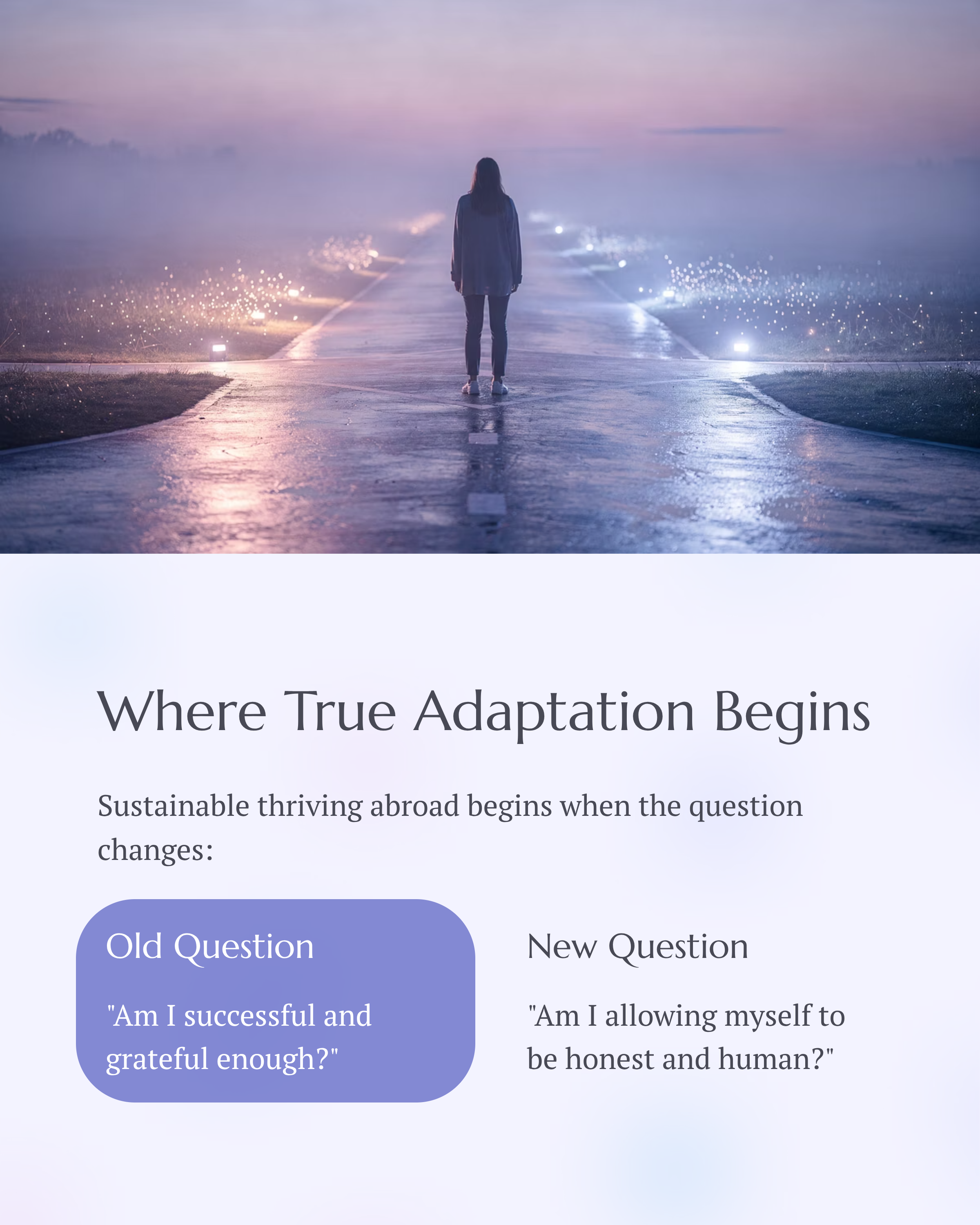
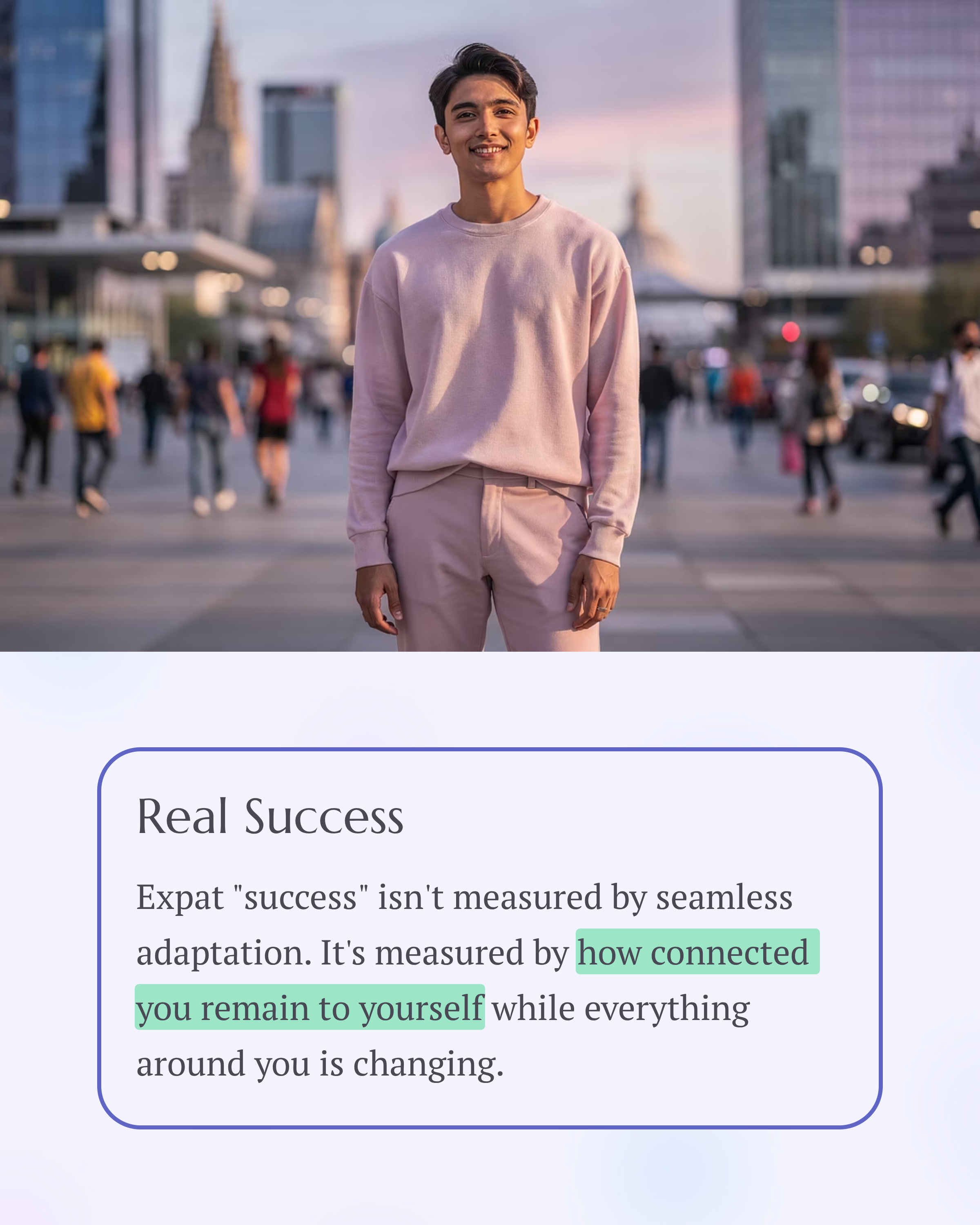
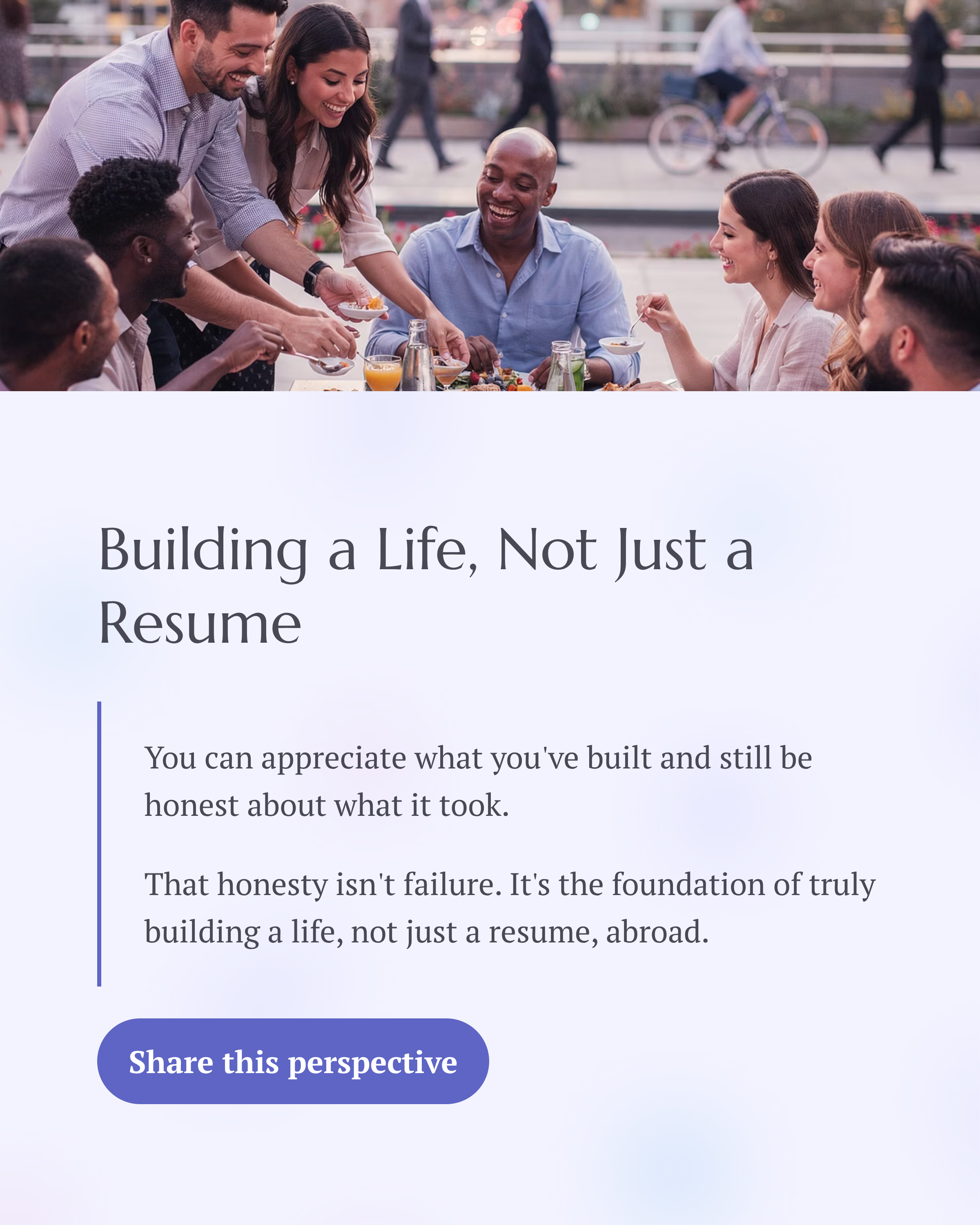
Many expats look 𝘀𝘂𝗰𝗰𝗲𝘀𝘀𝗳𝘂𝗹 𝗼𝗻 𝘁𝗵𝗲 𝗼𝘂𝘁𝘀𝗶𝗱𝗲 🌍 A new country. Career growth. Independence. Progress. But there is something 𝗿𝗮𝗿𝗲𝗹𝘆 𝘀𝗽𝗼𝗸𝗲𝗻 𝗮𝗯𝗼𝘂𝘁. Sometimes, the faster you 𝗮𝗱𝗮𝗽𝘁 𝗲𝘅𝘁𝗲𝗿𝗻𝗮𝗹𝗹𝘆, the easier it is to 𝗹𝗼𝘀𝗲 𝗰𝗼𝗻𝗻𝗲𝗰𝘁𝗶𝗼𝗻 𝗶𝗻𝘁𝗲𝗿𝗻𝗮𝗹𝗹𝘆. You learn how to function. How to perform. How to belong. You become 𝗰𝗮𝗽𝗮𝗯𝗹𝗲, 𝗿𝗲𝘀𝗶𝗹𝗶𝗲𝗻𝘁, 𝗮𝗻𝗱 𝘀𝘁𝗿𝗼𝗻𝗴 💪 And yet, parts of you may grow quiet in the process. Not because you are weak. But because 𝗮𝗱𝗮𝗽𝘁𝗮𝘁𝗶𝗼𝗻 𝗼𝗳𝘁𝗲𝗻 𝗮𝘀𝗸𝘀 𝗳𝗼𝗿 𝗮𝗱𝗷𝘂𝘀𝘁𝗺𝗲𝗻𝘁 𝗯𝗲𝗳𝗼𝗿𝗲 𝗶𝘁 𝗮𝗹𝗹𝗼𝘄𝘀 𝗳𝗼𝗿 𝗶𝗻𝘁𝗲𝗴𝗿𝗮𝘁𝗶𝗼𝗻. True 𝗥𝗲𝗯𝗮𝗹𝗮𝗻𝗰𝗶𝗻𝗴 abroad doesn’t come from 𝗽𝗲𝗿𝗳𝗼𝗿𝗺𝗶𝗻𝗴 𝘀𝘁𝗿𝗲𝗻𝗴𝘁𝗵 𝗮𝗹𝗹 𝘁𝗵𝗲 𝘁𝗶𝗺𝗲. It comes from allowing yourself to remain 𝗵𝗼𝗻𝗲𝘀𝘁, 𝗵𝘂𝗺𝗮𝗻, 𝗮𝗻𝗱 𝗰𝗼𝗻𝗻𝗲𝗰𝘁𝗲𝗱 𝘁𝗼 𝘆𝗼𝘂𝗿𝘀𝗲𝗹𝗳 🤍 while everything around you changes. You can 𝗹𝗼𝘃𝗲 𝘁𝗵𝗲 𝗹𝗶𝗳𝗲 𝘆𝗼𝘂 𝗯𝘂𝗶𝗹𝘁 and still 𝗵𝗼𝗻𝗼𝘂𝗿 𝘄𝗵𝗮𝘁 𝗶𝘁 𝗰𝗼𝘀𝘁 𝘆𝗼𝘂. Both can be true. 💬 𝗜𝗳 𝘆𝗼𝘂’𝘃𝗲 𝗹𝗶𝘃𝗲𝗱 𝗮𝗯𝗿𝗼𝗮𝗱, 𝘄𝗵𝗮𝘁 𝗳𝗲𝗹𝘁 𝗵𝗮𝗿𝗱𝗲𝗿 𝘁𝗵𝗮𝗻 𝘆𝗼𝘂 𝗲𝘅𝗽𝗲𝗰𝘁𝗲𝗱, 𝗲𝘃𝗲𝗻 𝗶𝗳 𝗲𝘃𝗲𝗿𝘆𝘁𝗵𝗶𝗻𝗴 𝗹𝗼𝗼𝗸𝗲𝗱 “𝘀𝘂𝗰𝗰𝗲𝘀𝘀𝗳𝘂𝗹” 𝗼𝗻 𝘁𝗵𝗲 𝗼𝘂𝘁𝘀𝗶𝗱𝗲?

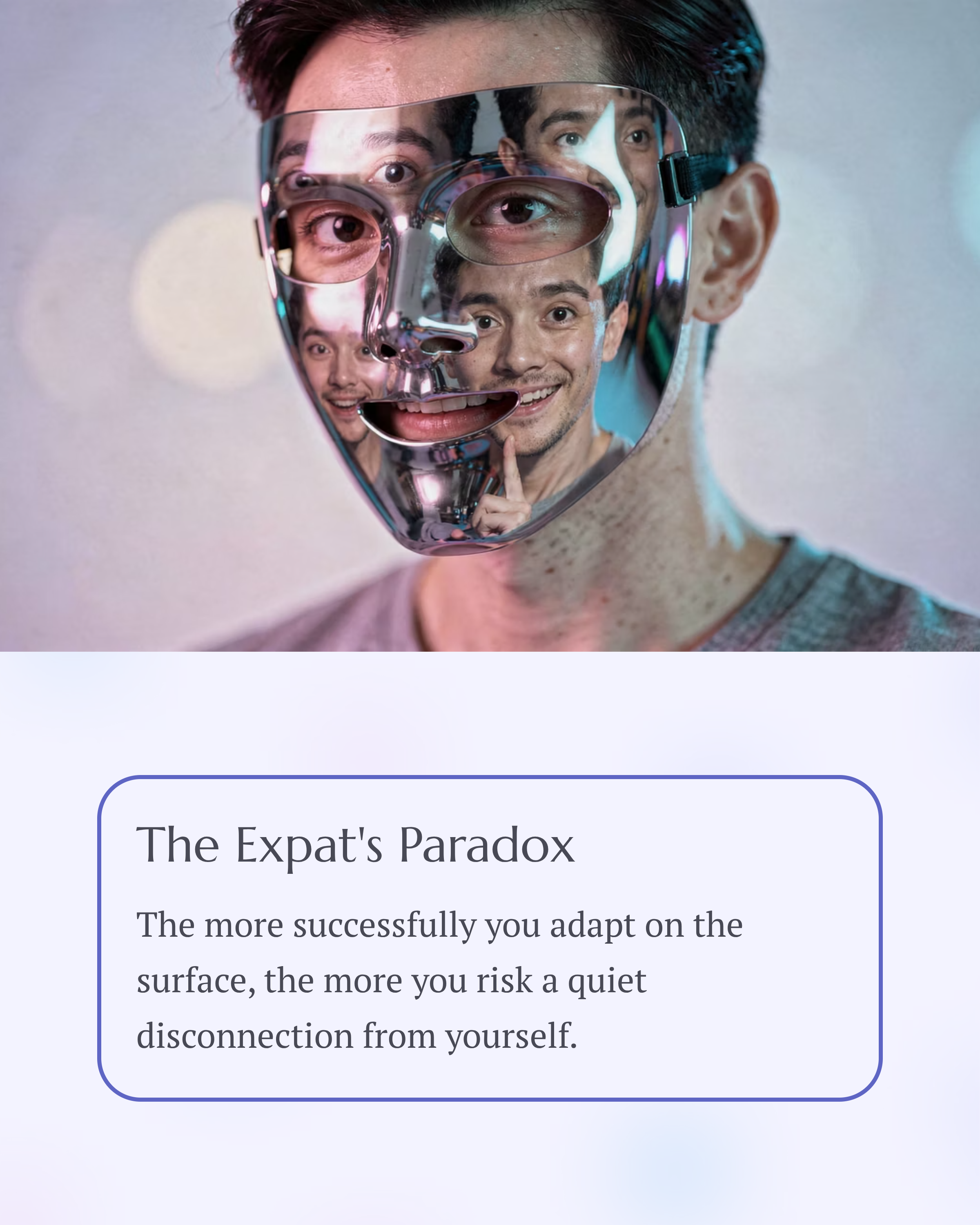
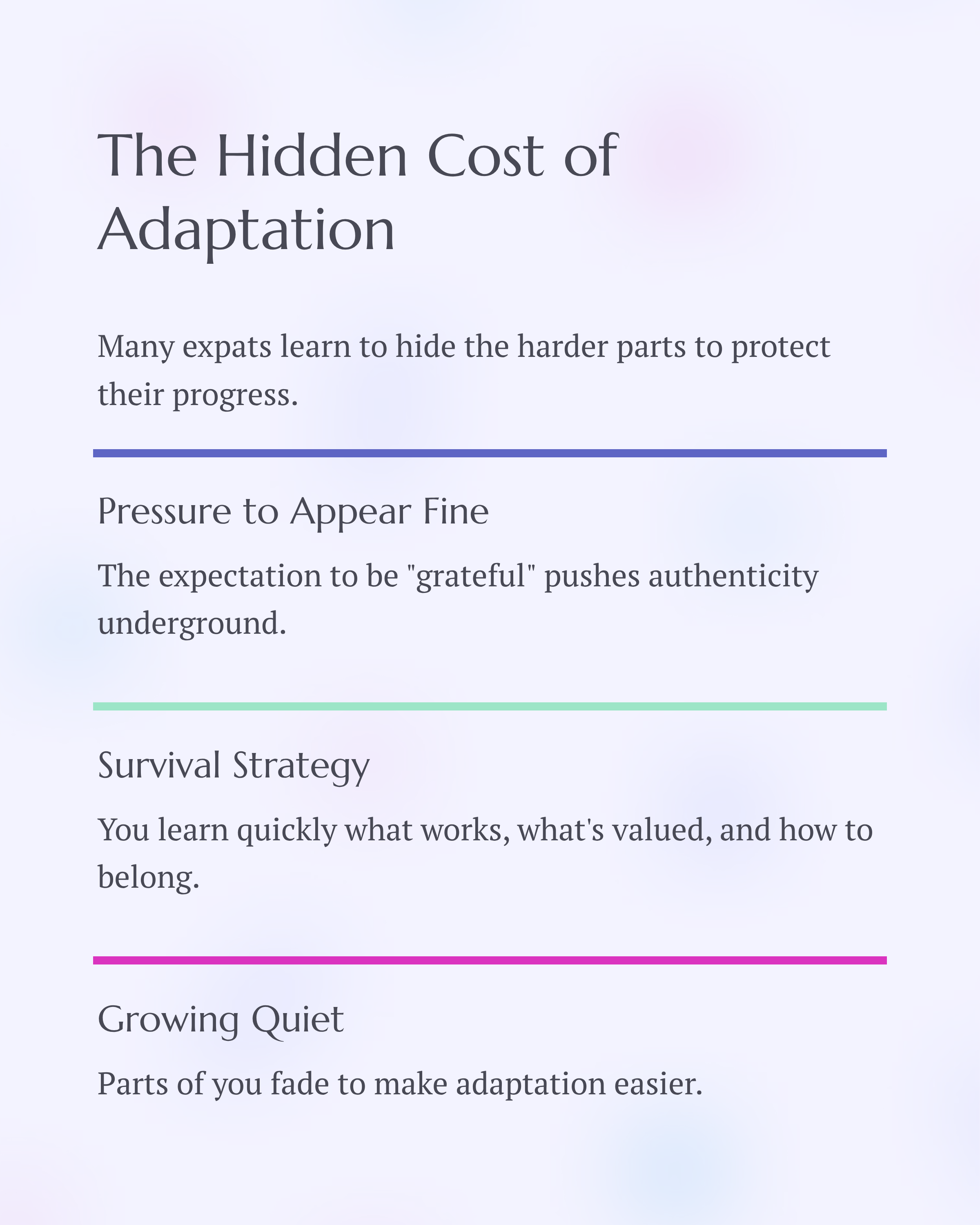
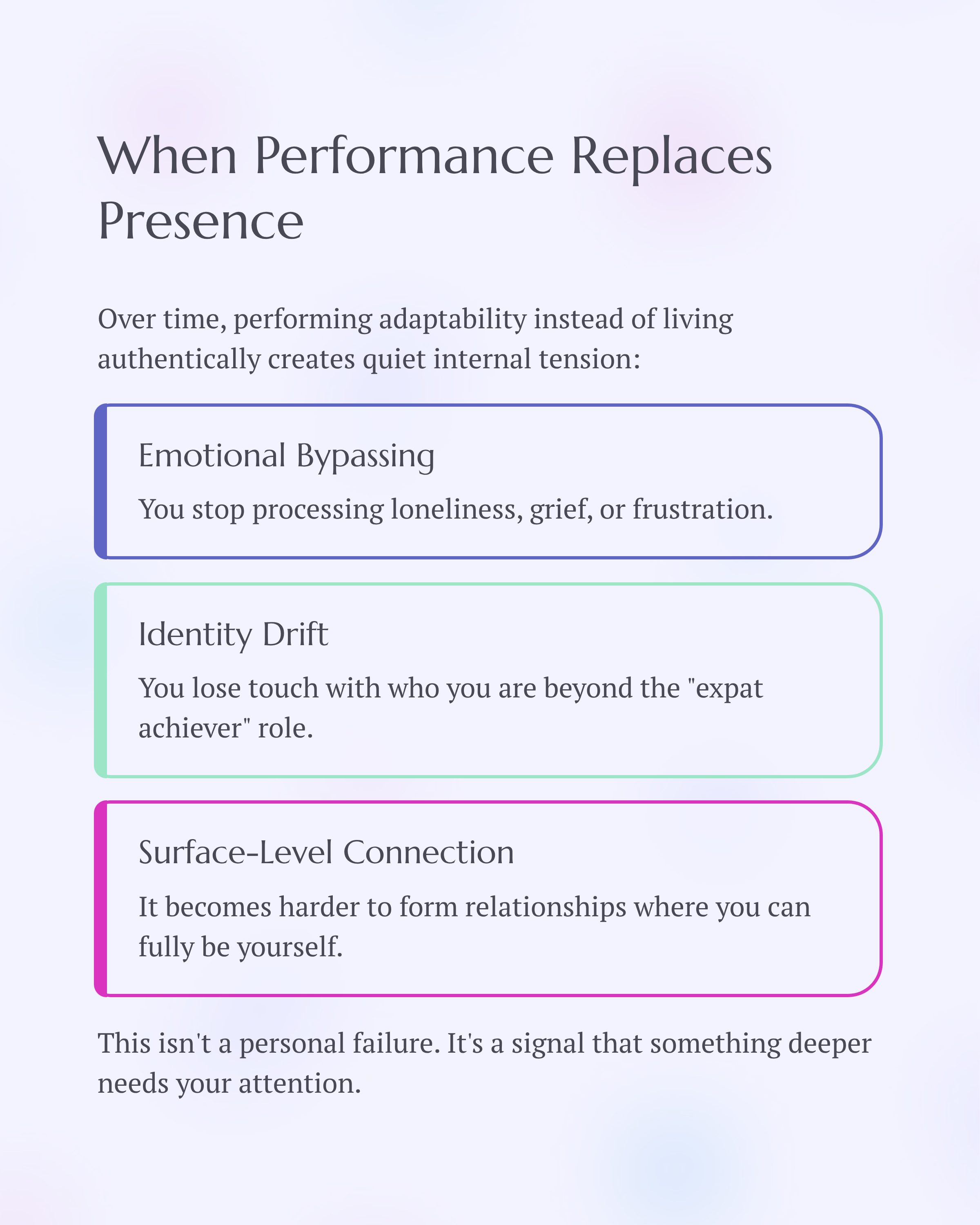
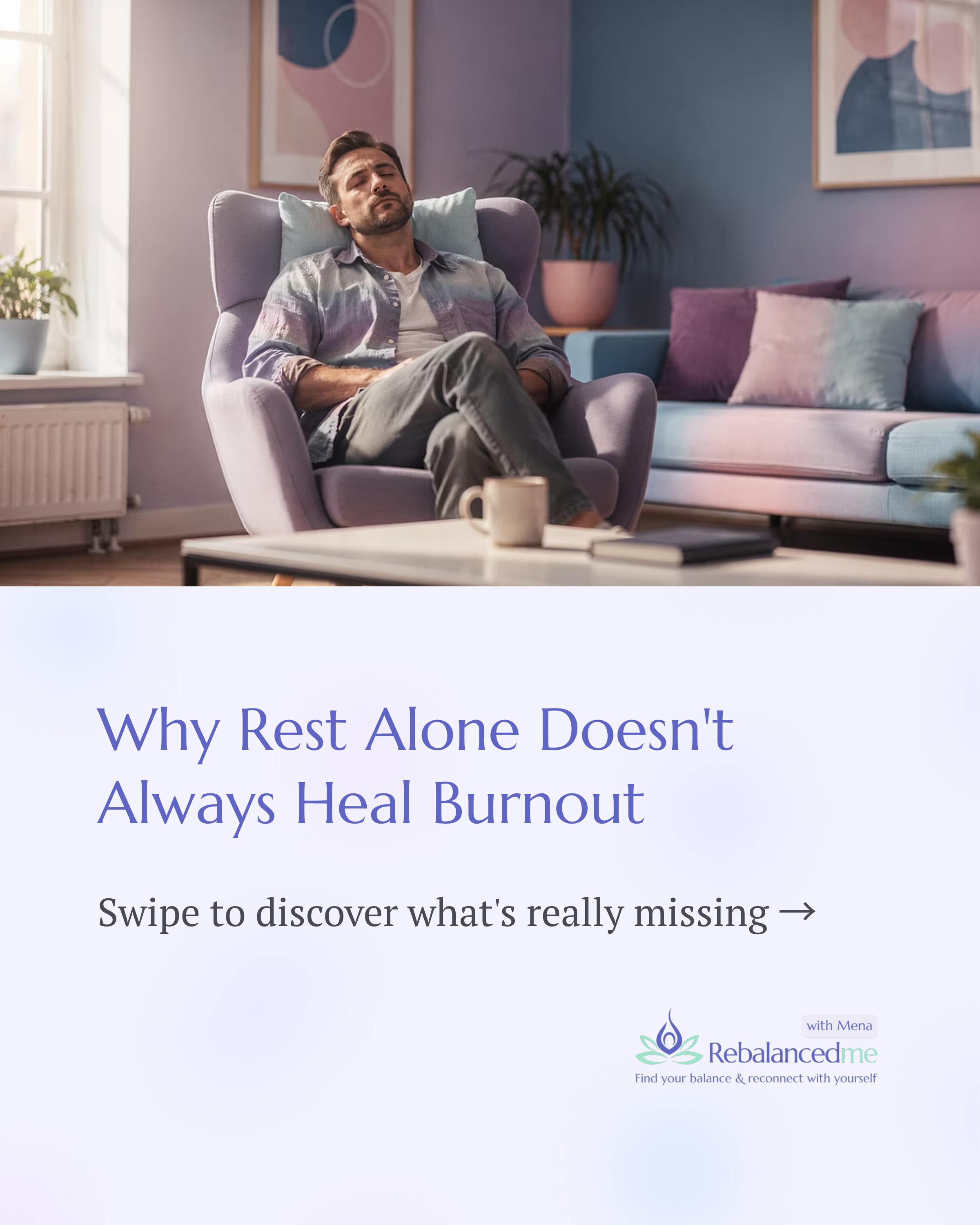
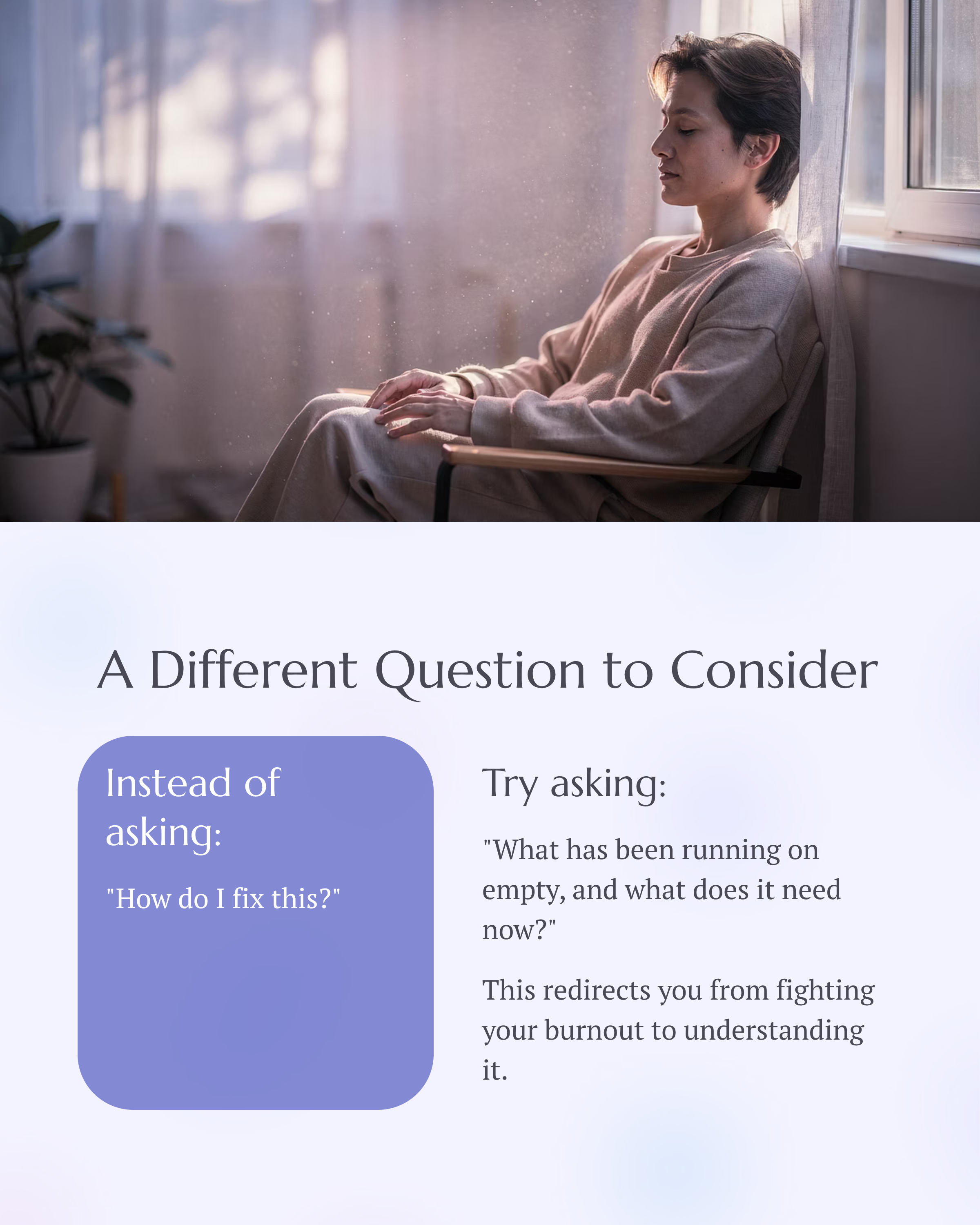
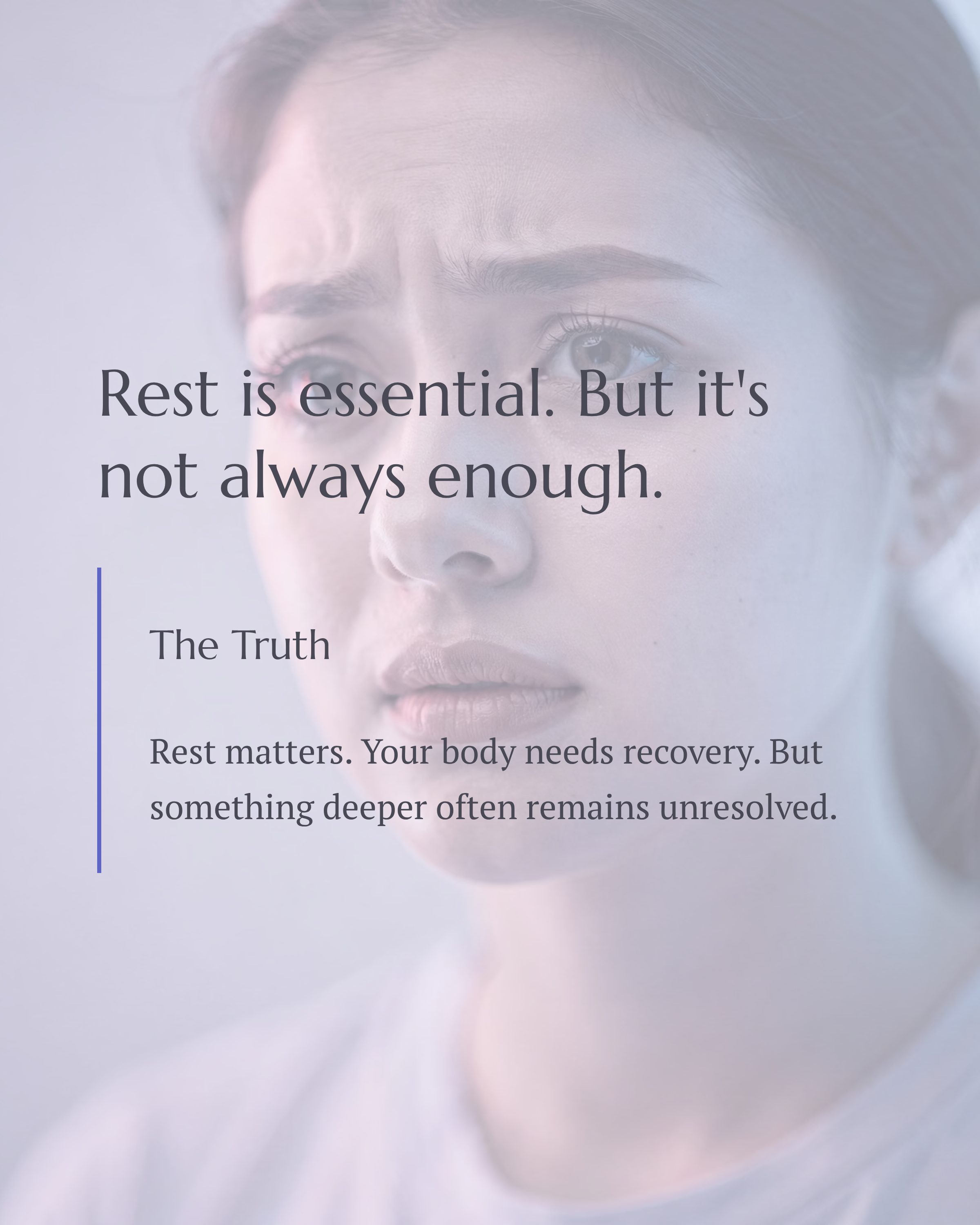
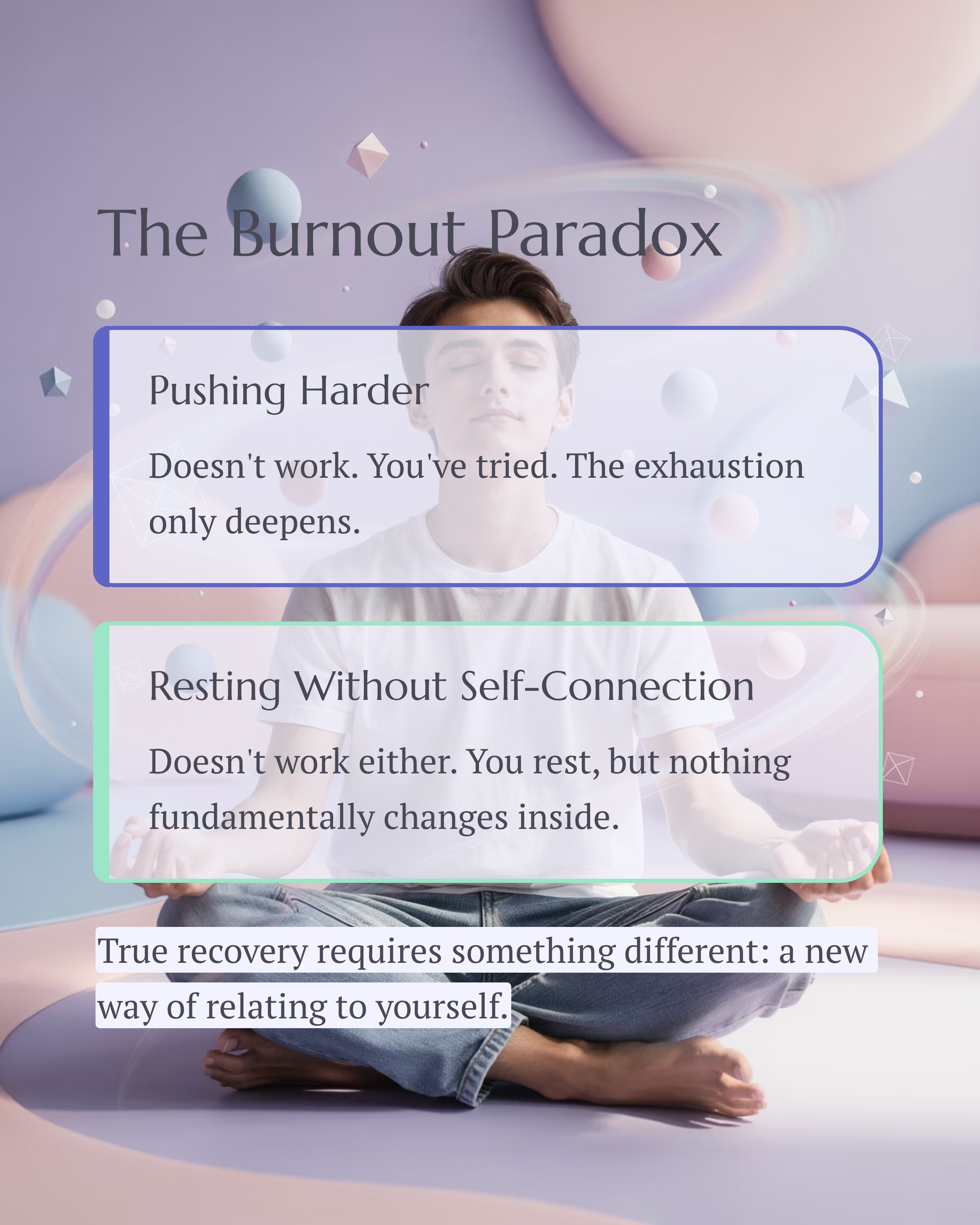
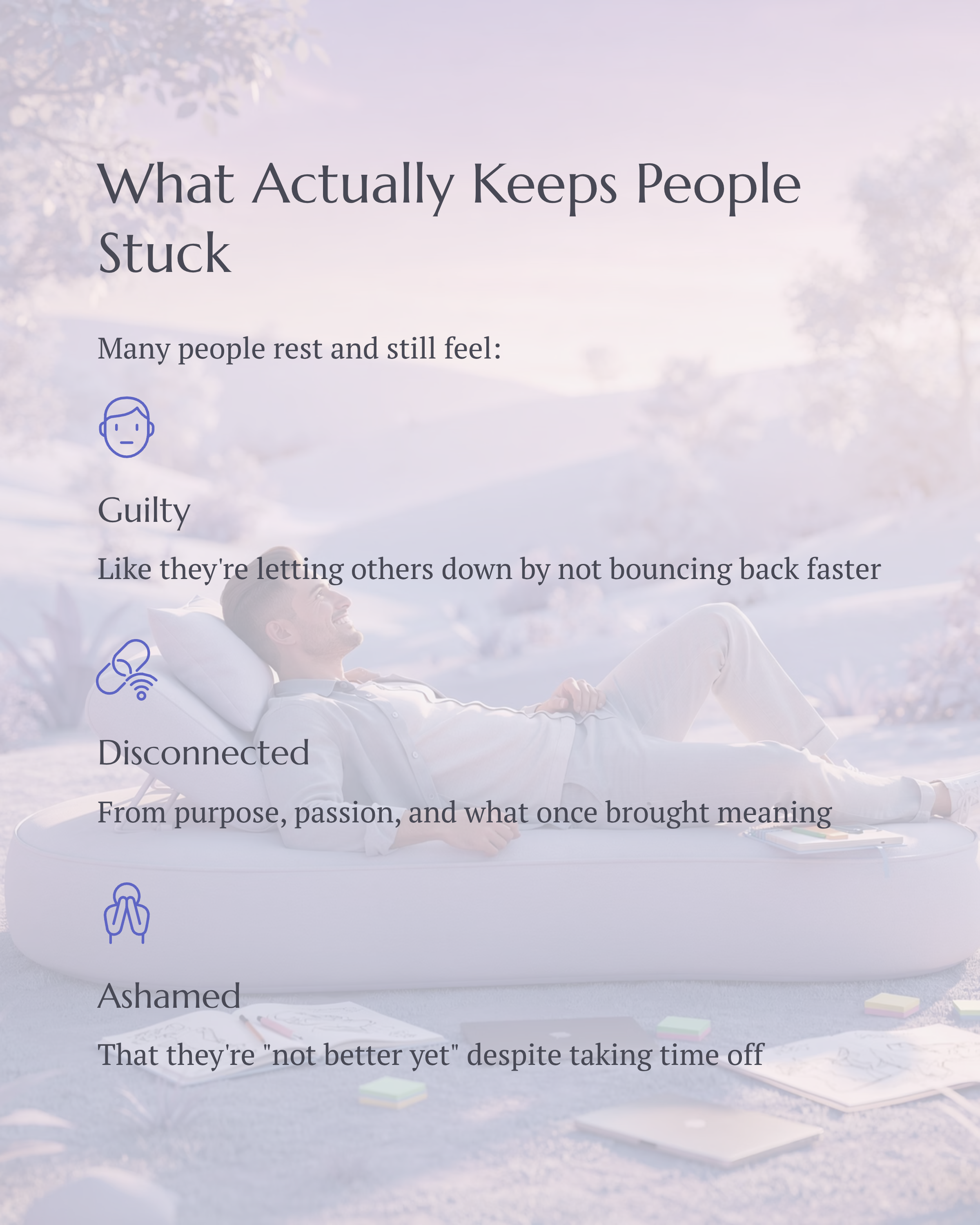
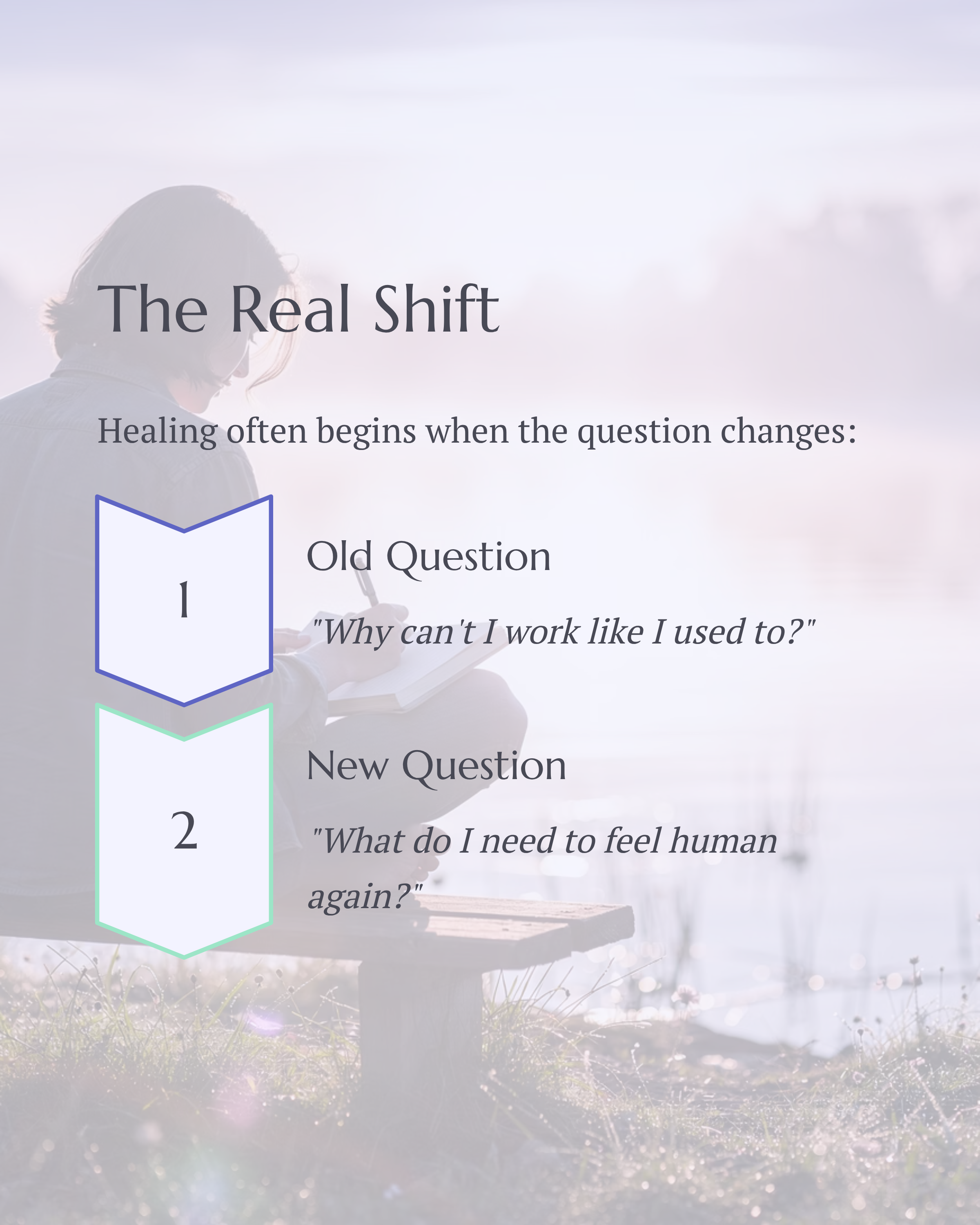
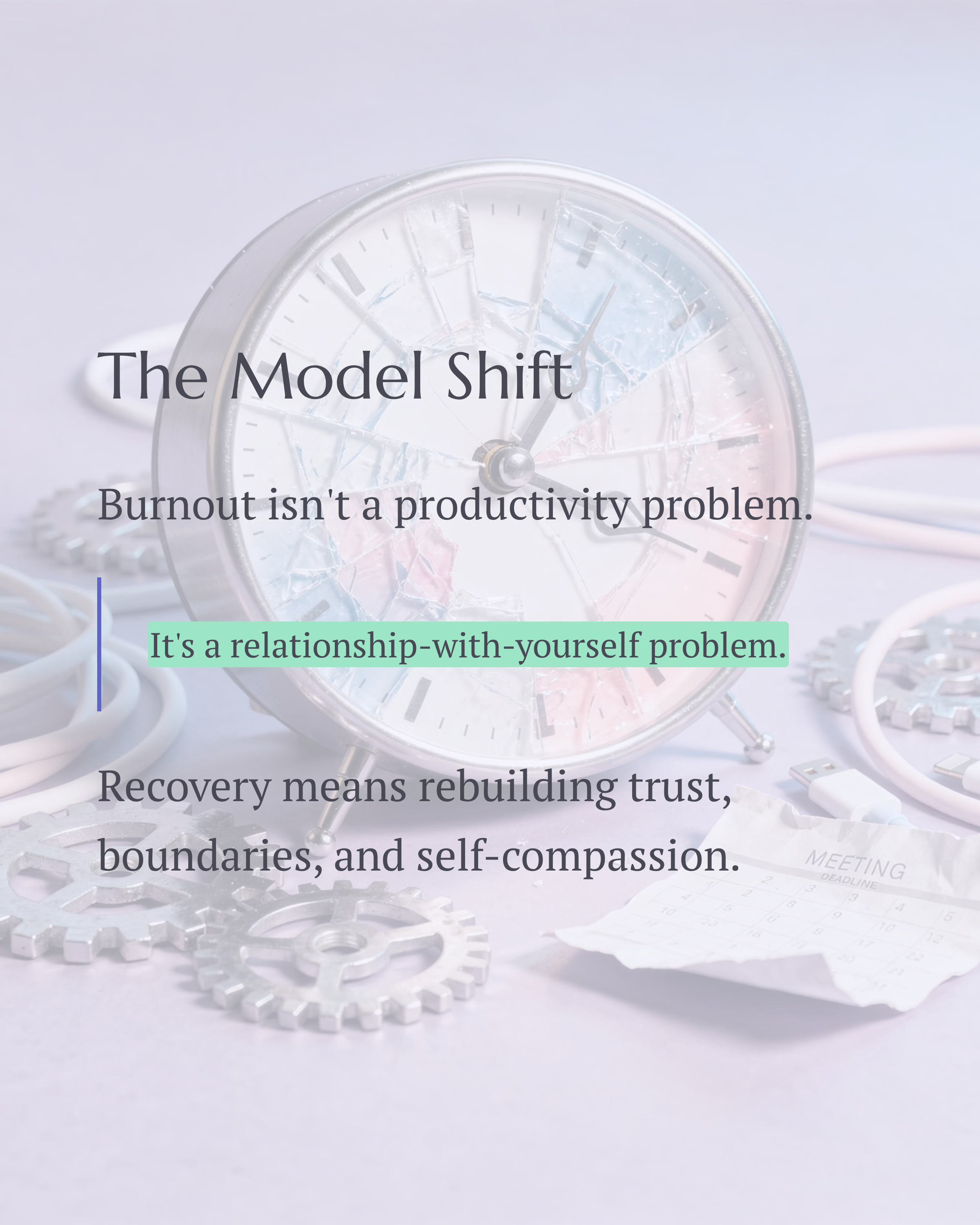
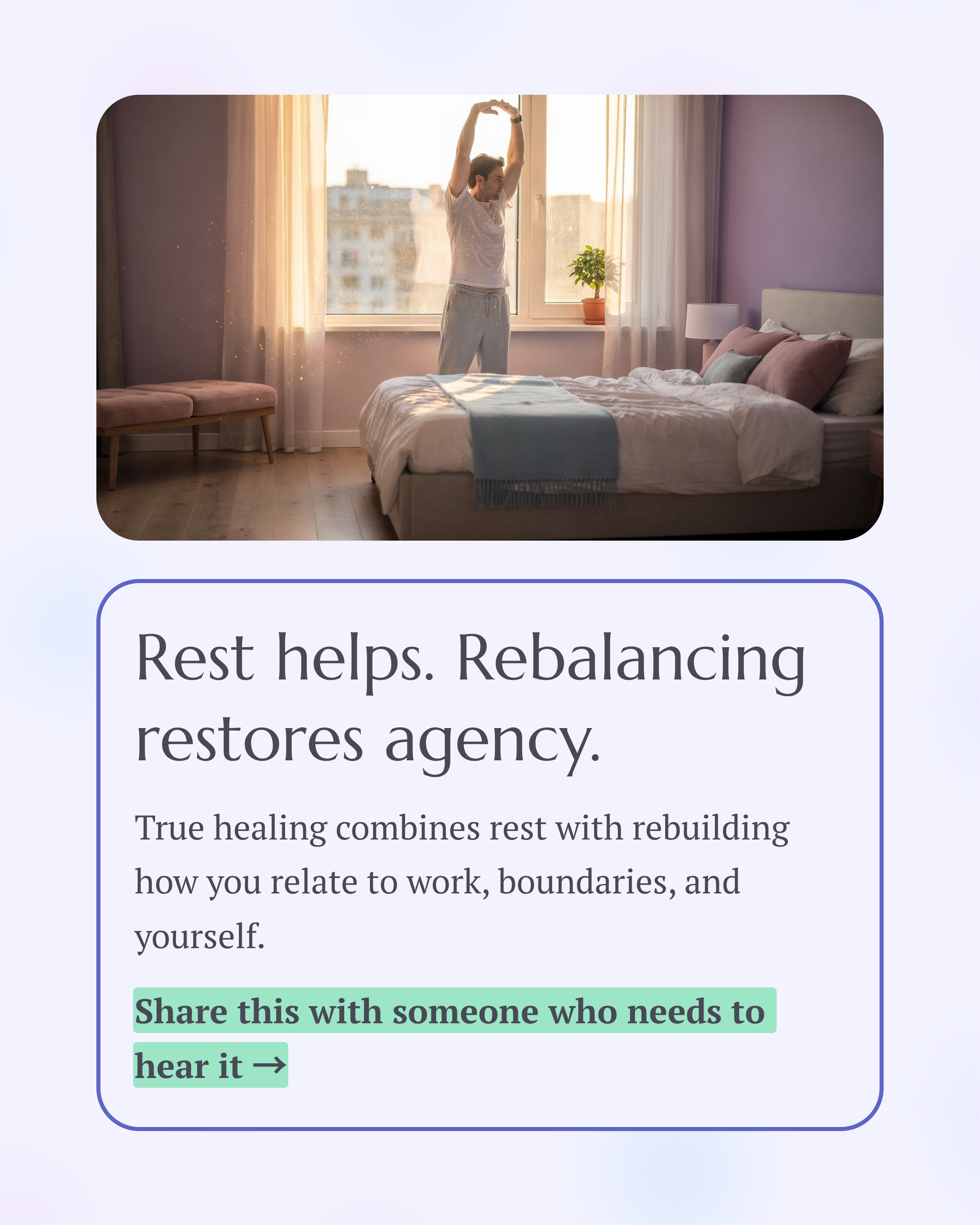
We’ve been taught that burnout recovery looks like 𝗿𝗲𝘀𝘁𝗶𝗻𝗴 𝘂𝗻𝘁𝗶𝗹 𝘄𝗲 𝗰𝗮𝗻 𝗽𝗲𝗿𝗳𝗼𝗿𝗺 𝗮𝗴𝗮𝗶𝗻. And rest 𝘪𝘴 essential. Burned-out systems need 𝘀𝗮𝗳𝗲𝘁𝘆, 𝘀𝗹𝗼𝘄𝗻𝗲𝘀𝘀, 𝗮𝗻𝗱 𝘀𝗽𝗮𝗰𝗲 🫶 But what I see, again and again, is this: people rest and still feel 𝘀𝘁𝘂𝗰𝗸, 𝗴𝘂𝗶𝗹𝘁𝘆, 𝗼𝗿 𝗱𝗶𝘀𝗰𝗼𝗻𝗻𝗲𝗰𝘁𝗲𝗱. Not because they’re doing it wrong. But because 𝗿𝗲𝘀𝘁 𝗮𝗹𝗼𝗻𝗲 𝗱𝗼𝗲𝘀𝗻’𝘁 𝗿𝗲𝗯𝘂𝗶𝗹𝗱 𝘀𝗲𝗹𝗳-𝘁𝗿𝘂𝘀𝘁 𝗼𝗿 𝗮𝗴𝗲𝗻𝗰𝘆. Real healing often starts with a 𝗱𝗶𝗳𝗳𝗲𝗿𝗲𝗻𝘁 𝗾𝘂𝗲𝘀𝘁𝗶𝗼𝗻 ✨ Not “𝘞𝘩𝘺 𝘤𝘢𝘯’𝘵 𝘐 𝘸𝘰𝘳𝘬 𝘭𝘪𝘬𝘦 𝘐 𝘶𝘴𝘦𝘥 𝘵𝘰?” But “𝘞𝘩𝘢𝘵 𝘥𝘰 𝘐 𝘯𝘦𝘦𝘥 𝘵𝘰 𝘧𝘦𝘦𝘭 𝘩𝘶𝘮𝘢𝘯 𝘢𝘨𝘢𝘪𝘯?” That shift moves people out of a 𝗯𝗿𝗼𝗸𝗲𝗻 𝗽𝗿𝗼𝗱𝘂𝗰𝘁𝗶𝘃𝗶𝘁𝘆 𝗺𝗼𝗱𝗲𝗹 and into a 𝗻𝗲𝗲𝗱𝘀-𝗯𝗮𝘀𝗲𝗱, 𝘀𝗲𝗹𝗳-𝗹𝗲𝗱 𝗼𝗻𝗲. 💡 If this resonates, you’re not failing at rest. You may simply be ready for 𝗥𝗲𝗯𝗮𝗹𝗮𝗻𝗰𝗶𝗻𝗴.
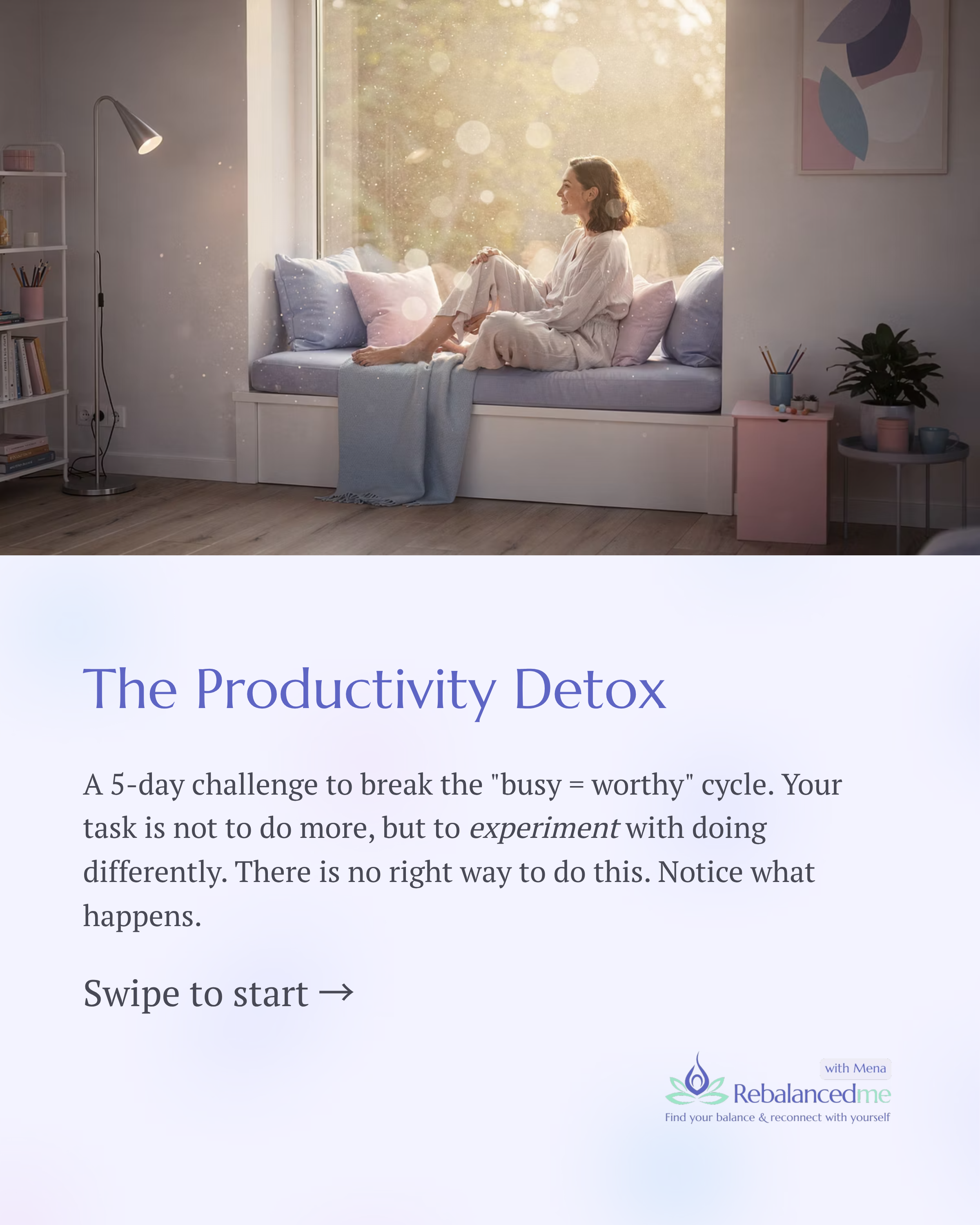
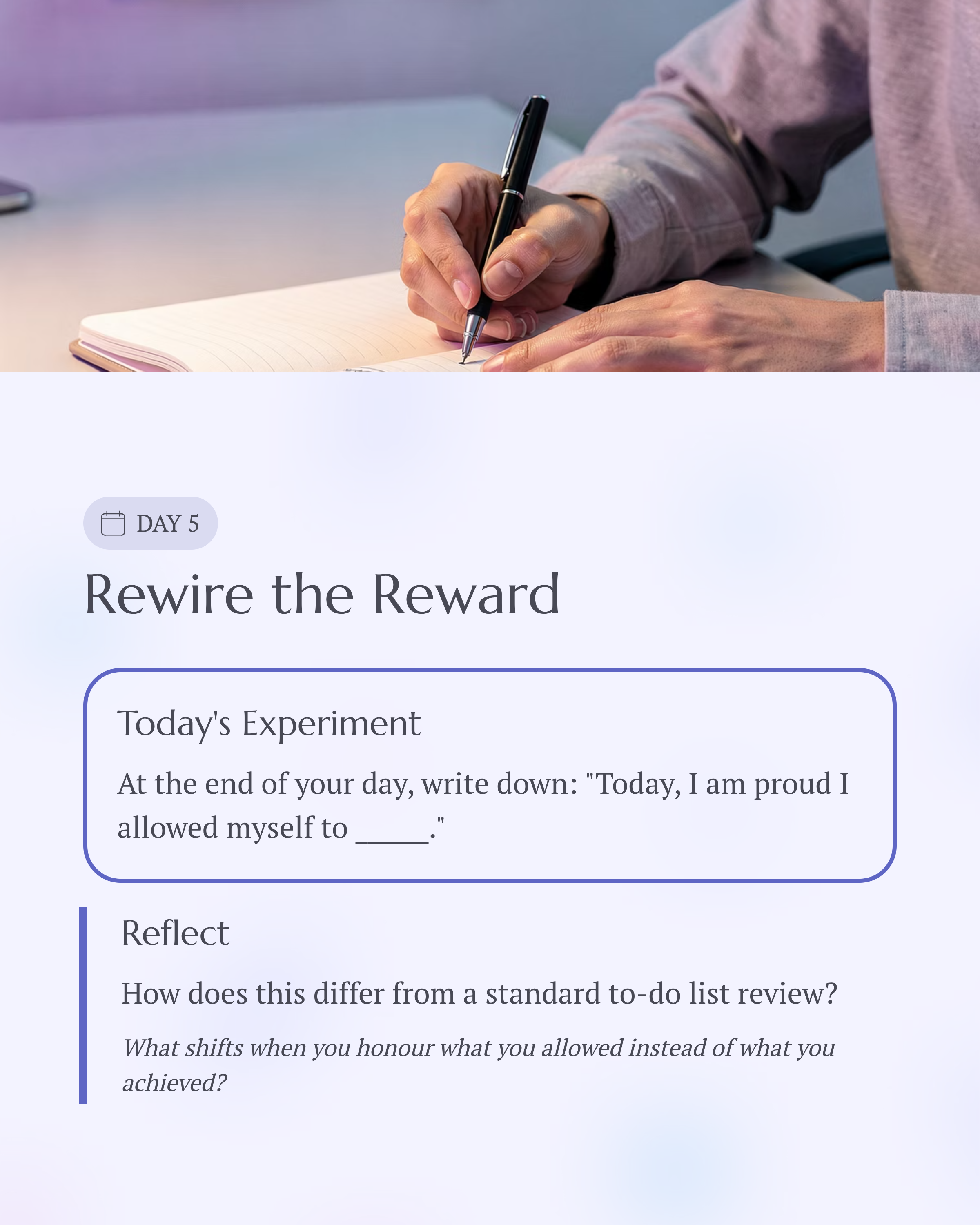
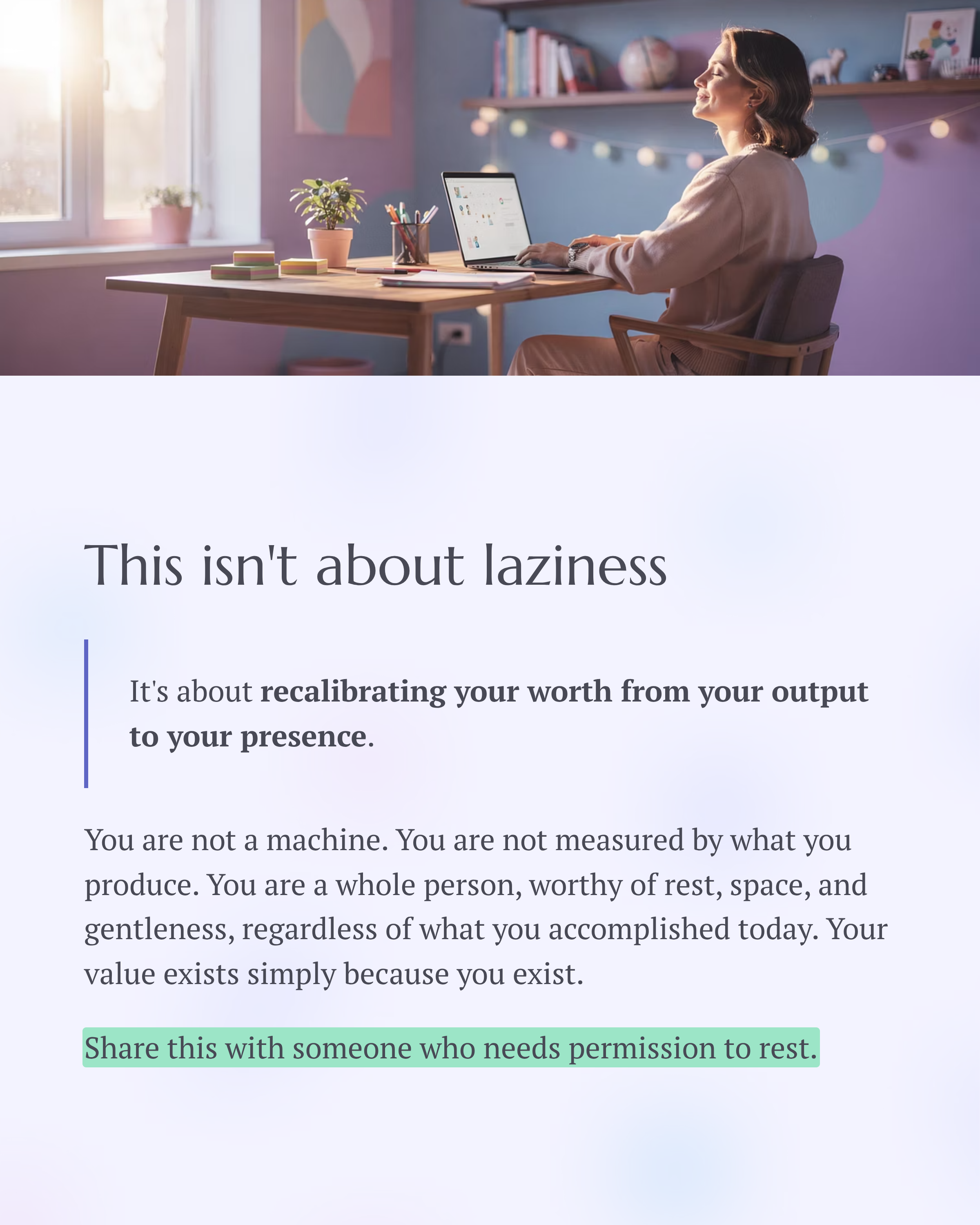
We’ve been taught that 𝗯𝗲𝗶𝗻𝗴 𝗯𝘂𝘀𝘆 = 𝗯𝗲𝗶𝗻𝗴 𝘄𝗼𝗿𝘁𝗵𝘆. Many of us never question it. 𝘜𝘯𝘵𝘪𝘭 𝘰𝘶𝘳 𝘣𝘰𝘥𝘪𝘦𝘴 𝘥𝘰. This 𝟱-𝗱𝗮𝘆 𝗣𝗿𝗼𝗱𝘂𝗰𝘁𝗶𝘃𝗶𝘁𝘆 𝗗𝗲𝘁𝗼𝘅 is a gentle experiment. Not about doing less for the sake of it, but about 𝗻𝗼𝘁𝗶𝗰𝗶𝗻𝗴 𝘄𝗵𝗮𝘁 𝗵𝗮𝗽𝗽𝗲𝗻𝘀 𝘄𝗵𝗲𝗻 𝘆𝗼𝘂 𝘀𝘁𝗼𝗽 𝗼𝗿𝗴𝗮𝗻𝗶𝘇𝗶𝗻𝗴 𝘆𝗼𝘂𝗿 𝘄𝗼𝗿𝘁𝗵 𝗮𝗿𝗼𝘂𝗻𝗱 𝗼𝘂𝘁𝗽𝘂𝘁. ✨ No fixing. ✨ No optimizing. ✨ Just 𝘴𝘮𝘢𝘭𝘭, 𝘪𝘯𝘵𝘦𝘯𝘵𝘪𝘰𝘯𝘢𝘭 𝘴𝘩𝘪𝘧𝘵𝘴 and honest reflection. If your nervous system is tired of always pushing, this is an invitation to 𝘁𝗿𝘆 𝘀𝗼𝗺𝗲𝘁𝗵𝗶𝗻𝗴 𝗱𝗶𝗳𝗳𝗲𝗿𝗲𝗻𝘁, one day at a time. 💡 𝗪𝗵𝗶𝗰𝗵 𝗱𝗮𝘆 𝗮𝗹𝗿𝗲𝗮𝗱𝘆 𝗳𝗲𝗲𝗹𝘀 𝘂𝗻𝗰𝗼𝗺𝗳𝗼𝗿𝘁𝗮𝗯𝗹𝗲 𝗼𝗿 𝗿𝗲𝗹𝗶𝗲𝘃𝗶𝗻𝗴 𝗷𝘂𝘀𝘁 𝗿𝗲𝗮𝗱𝗶𝗻𝗴 𝗶𝘁?
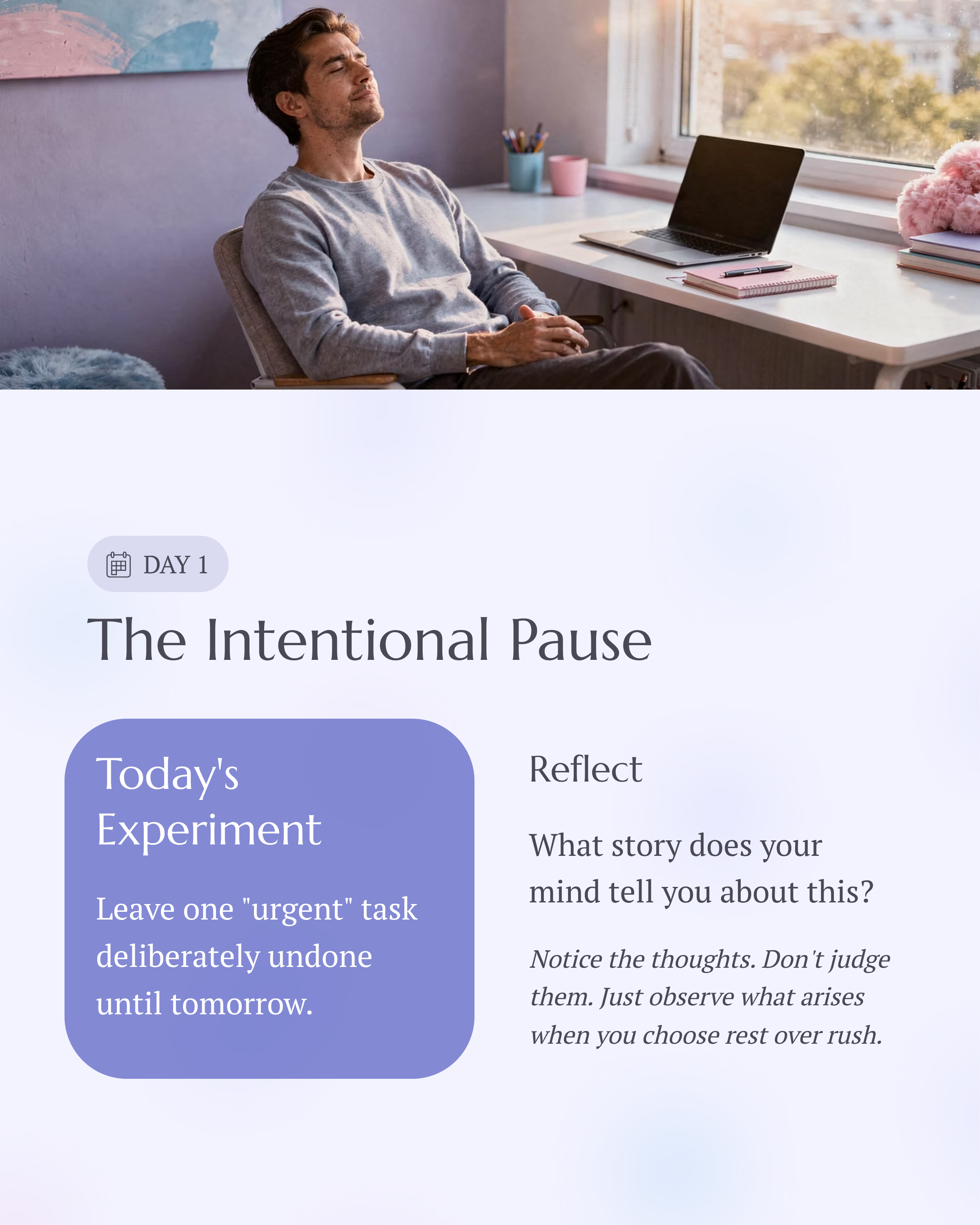
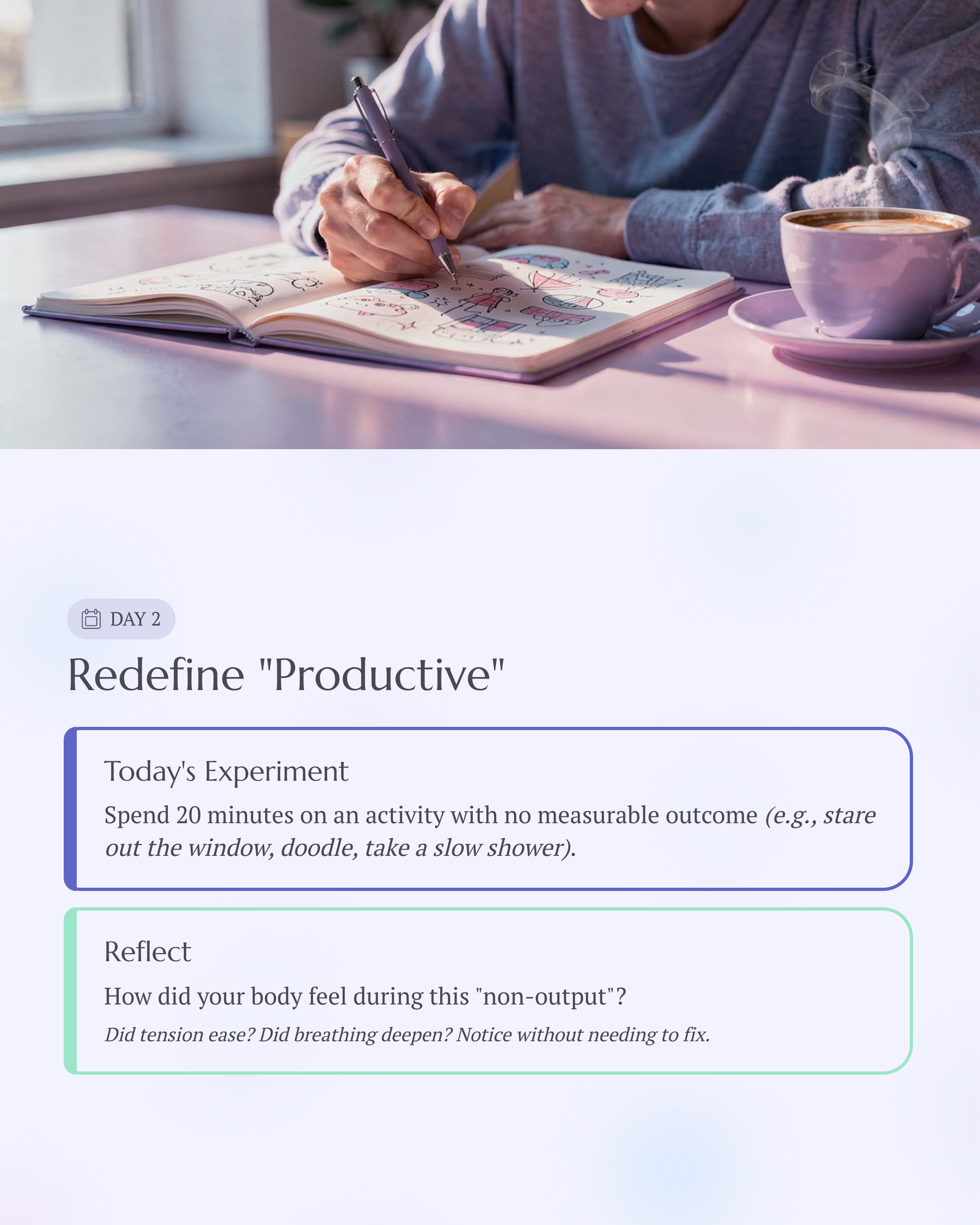
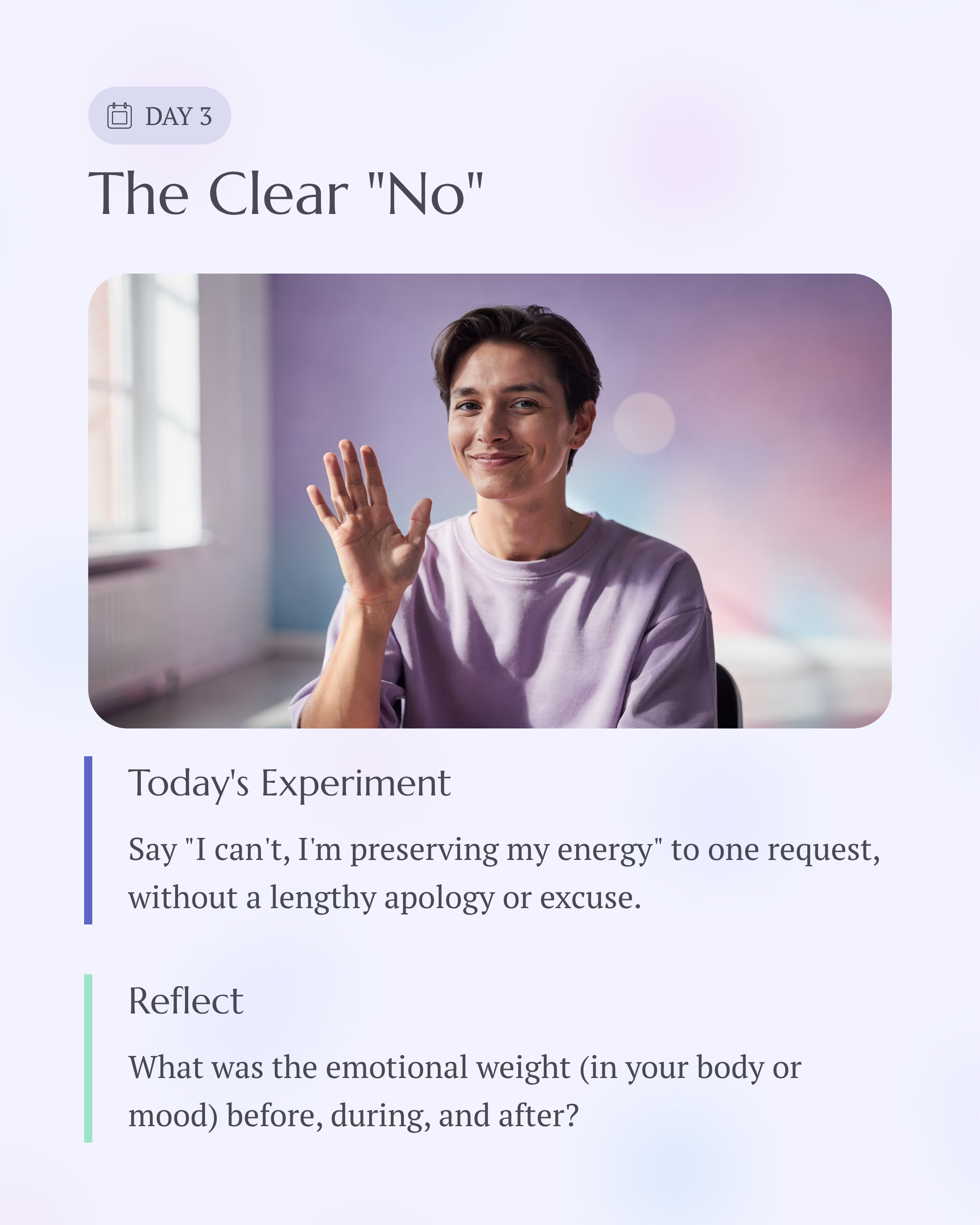
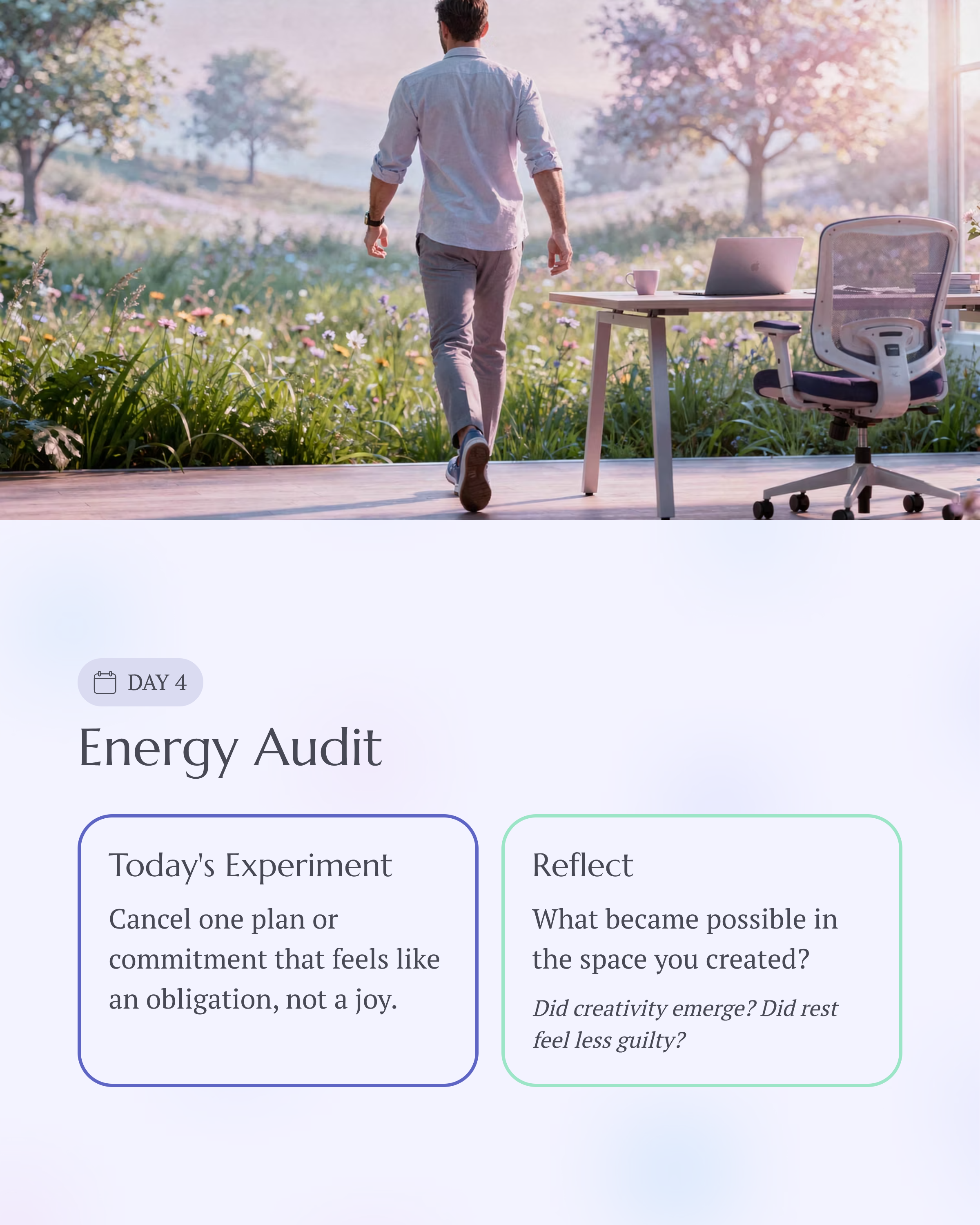
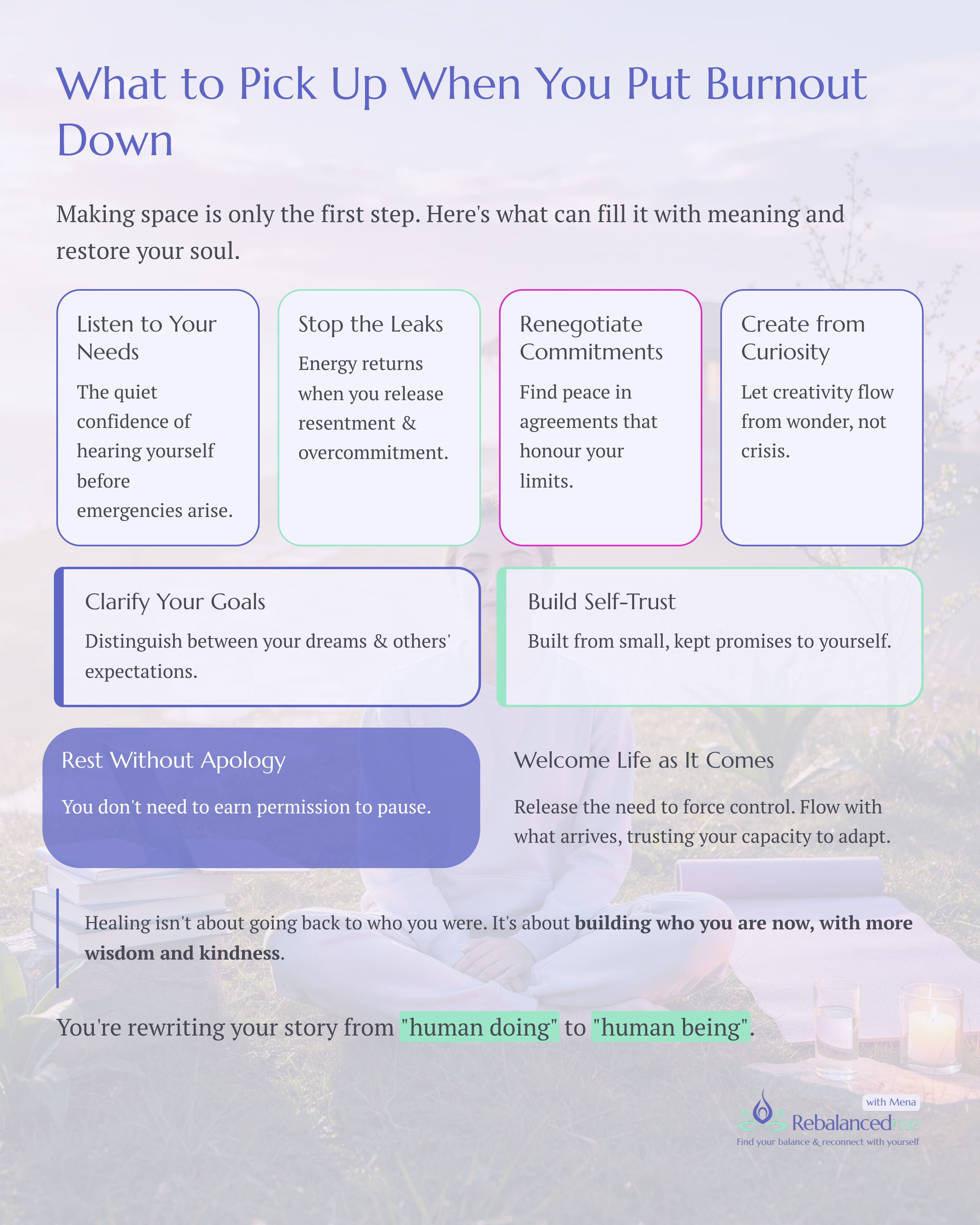
Burnout isn’t just about exhaustion, it’s about what’s missing when you stop taking care of yourself. Putting it down doesn’t leave you empty. It makes room for energy, clarity, creativity, and rest to return. 💡 Today, 𝘄𝗵𝗮𝘁’𝘀 𝗼𝗻𝗲 𝘀𝗺𝗮𝗹𝗹 𝘁𝗵𝗶𝗻𝗴 𝘆𝗼𝘂 𝗰𝗮𝗻 𝗽𝗶𝗰𝗸 𝘂𝗽 𝗳𝗼𝗿 𝘆𝗼𝘂𝗿𝘀𝗲𝗹𝗳? 𝗢𝗻𝗲 𝗴𝗲𝗻𝘁𝗹𝗲 𝗽𝗿𝗮𝗰𝘁𝗶𝗰𝗲, 𝗼𝗻𝗲 𝗺𝗼𝗺𝗲𝗻𝘁 𝗼𝗳 𝗰𝘂𝗿𝗶𝗼𝘀𝗶𝘁𝘆, 𝗼𝗻𝗲 𝗰𝗵𝗼𝗶𝗰𝗲 𝘁𝗵𝗮𝘁 𝗵𝗼𝗻𝗼𝗿𝘀 𝘆𝗼𝘂𝗿 𝗻𝗲𝗲𝗱𝘀? 𝗙𝗿𝗼𝗺 𝗵𝘂𝗺𝗮𝗻 𝗱𝗼𝗶𝗻𝗴 → 𝗵𝘂𝗺𝗮𝗻 𝗯𝗲𝗶𝗻𝗴 🌱: 𝗬𝗼𝘂𝗿 𝗿𝗲𝗮𝗹 𝗽𝗼𝘄𝗲𝗿 𝗶𝘀𝗻’𝘁 𝗶𝗻 𝗱𝗼𝗶𝗻𝗴 𝗺𝗼𝗿𝗲, 𝗶𝘁’𝘀 𝗶𝗻 𝗰𝗵𝗼𝗼𝘀𝗶𝗻𝗴 𝘄𝗵𝗮𝘁 𝗻𝗼𝘂𝗿𝗶𝘀𝗵𝗲𝘀 𝘆𝗼𝘂 𝗮𝘀 𝘆𝗼𝘂 𝗺𝗼𝘃𝗲 𝗳𝗼𝗿𝘄𝗮𝗿𝗱 ✨
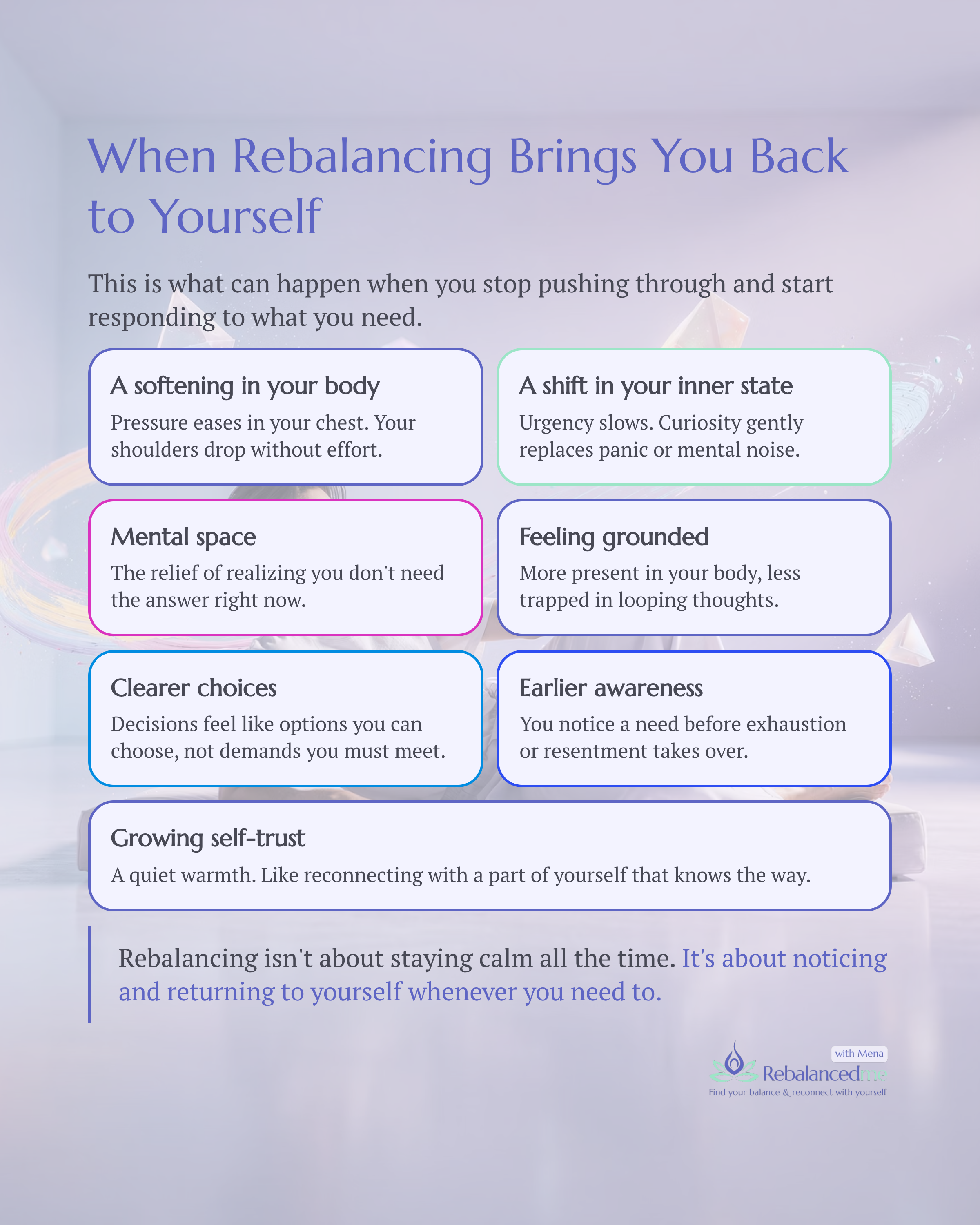
We talk a lot about what burnout feels like: the exhaustion, the pressure, the noise. But what does healing feel like? What are the gentle shifts that signal you're coming back to yourself? Rebalancing isn’t about doing it all perfectly or forcing calm. It's about 𝗻𝗼𝘁𝗶𝗰𝗶𝗻𝗴 𝘄𝗵𝗮𝘁 𝘆𝗼𝘂 𝗻𝗲𝗲𝗱 and 𝘁𝗮𝗸𝗶𝗻𝗴 𝗮 𝗴𝗲𝗻𝘁𝗹𝗲 𝘀𝘁𝗲𝗽 𝗯𝗮𝗰𝗸 𝘁𝗼 𝘆𝗼𝘂𝗿𝘀𝗲𝗹𝗳. These quiet moments of reconnection: the softening, the clarity, the gentle return, become more familiar the more you practice rebalancing. 💡 𝗬𝗼𝘂𝗿 𝘁𝘂𝗿𝗻: Read through these gentle sensations. Which one feels most like a quiet “yes,” a moment you recognize or long for?
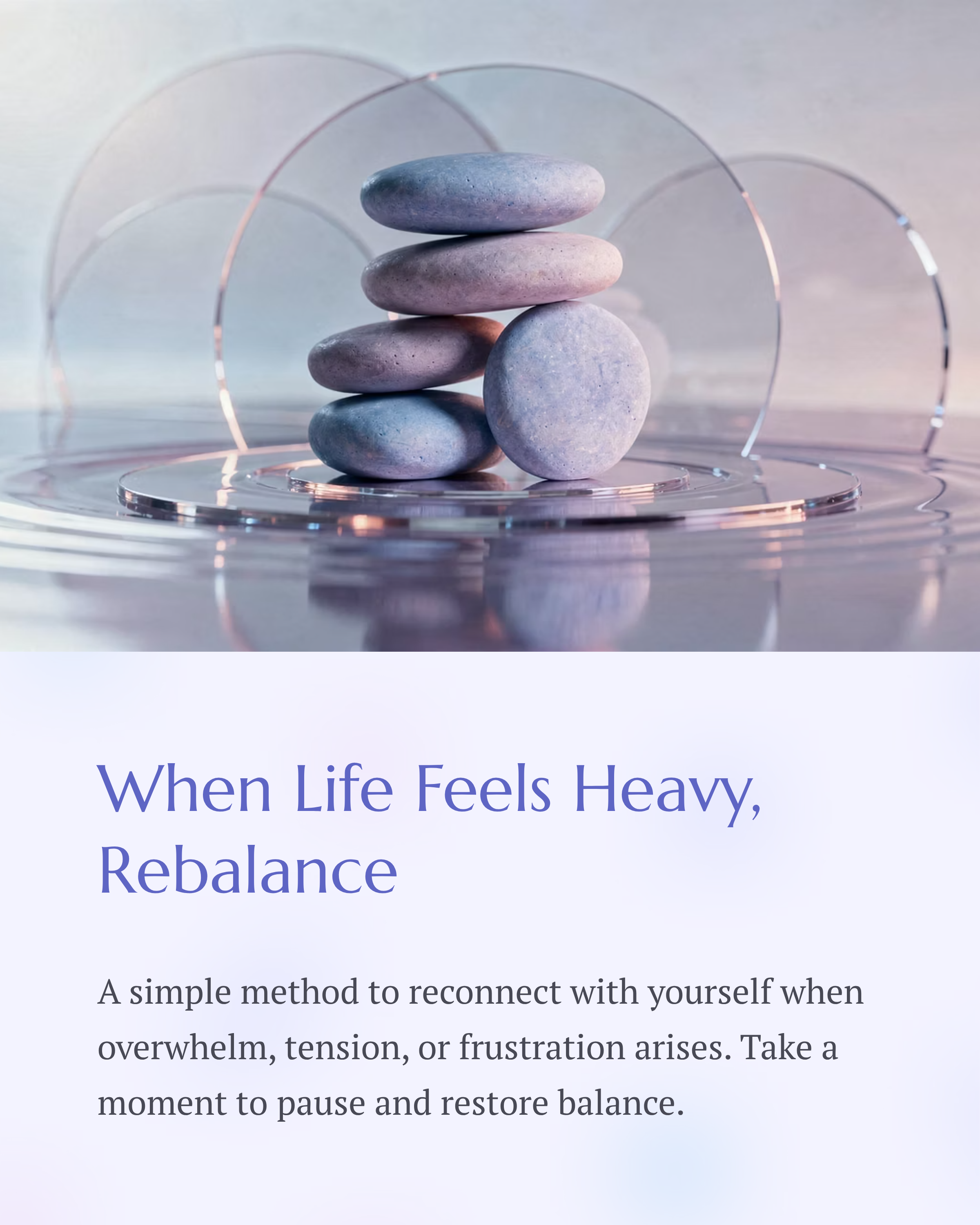
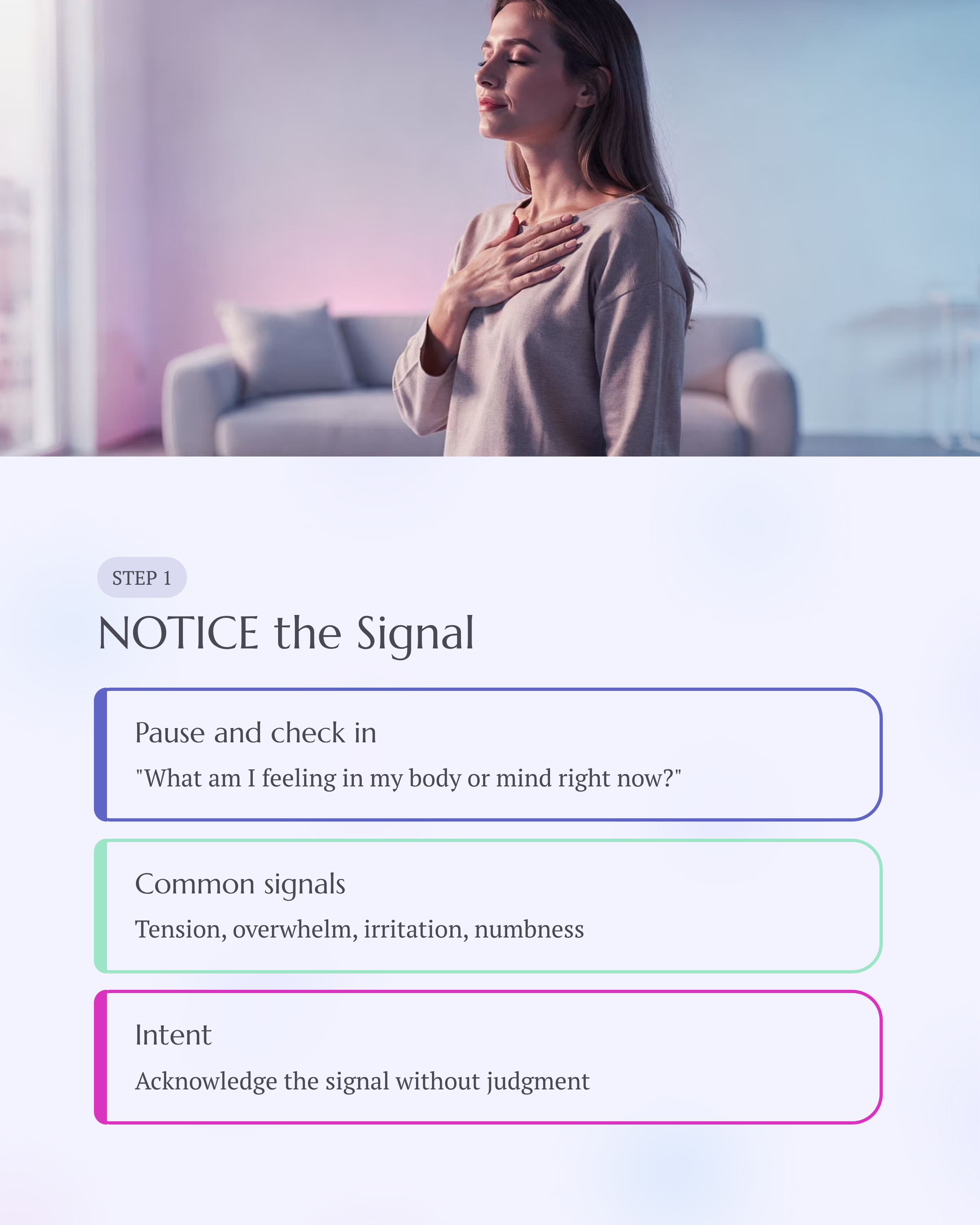
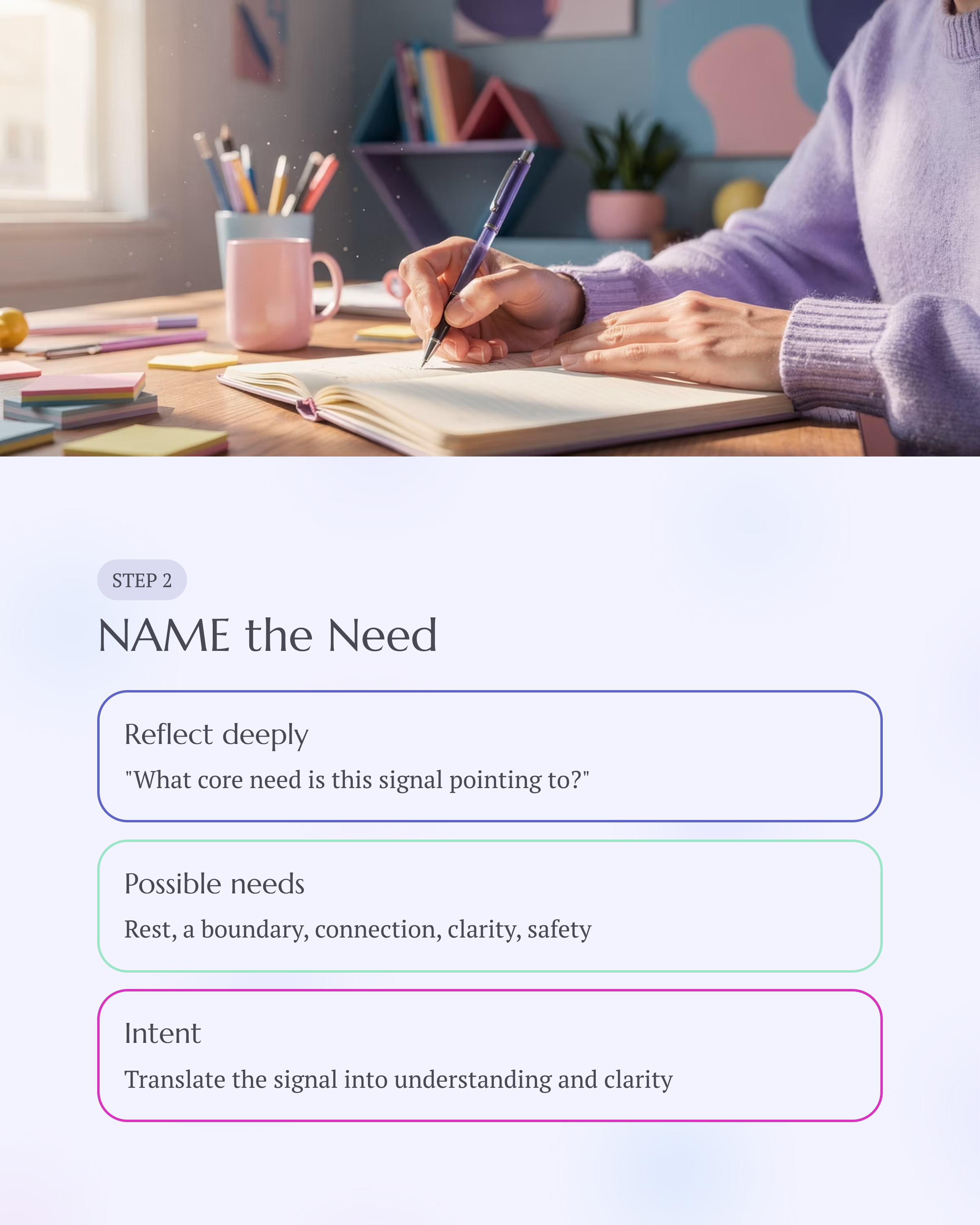
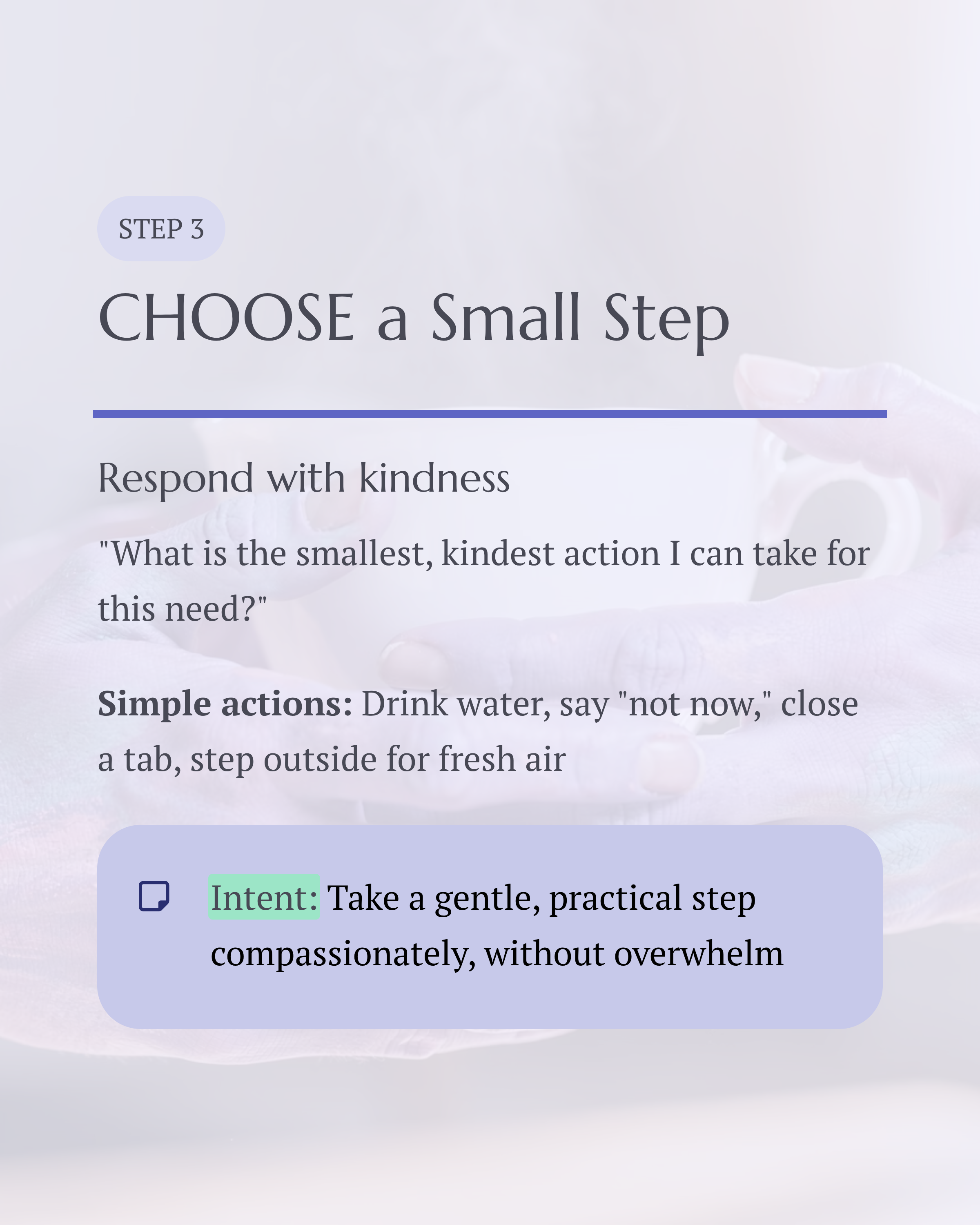
Life can feel heavy sometimes, and that weight shows up in 𝘆𝗼𝘂𝗿 𝗯𝗼𝗱𝘆, 𝘆𝗼𝘂𝗿 𝗺𝗶𝗻𝗱, 𝗼𝗿 𝘆𝗼𝘂𝗿 𝗲𝗻𝗲𝗿𝗴𝘆. The solution doesn’t have to be a big life change. Often, it’s a small, gentle shift, a way to 𝗿𝗲𝗰𝗼𝗻𝗻𝗲𝗰𝘁 𝘁𝗼 𝘄𝗵𝗮𝘁 𝘆𝗼𝘂 𝗮𝗰𝘁𝘂𝗮𝗹𝗹𝘆 𝗻𝗲𝗲𝗱. This is my core 𝗥𝗲𝗯𝗮𝗹𝗮𝗻𝗰𝗶𝗻𝗴 𝗣𝗿𝗮𝗰𝘁𝗶𝗰𝗲. I use it myself and share it with clients. Think of it as a little 𝗰𝗵𝗲𝗮𝘁 𝘀𝗵𝗲𝗲𝘁 𝗳𝗼𝗿 𝗿𝗲𝗰𝗼𝗻𝗻𝗲𝗰𝘁𝗶𝗻𝗴 𝘄𝗶𝘁𝗵 𝘆𝗼𝘂𝗿𝘀𝗲𝗹𝗳. It’s simple: 𝗻𝗼𝘁𝗶𝗰𝗲 what you’re feeling, 𝗻𝗮𝗺𝗲 the need beneath it, and 𝗰𝗵𝗼𝗼𝘀𝗲 one small, kind step for yourself. 💡 Today, what’s one signal you often notice, and what need does it usually point to? What’s one tiny, caring step you can take for yourself right now?
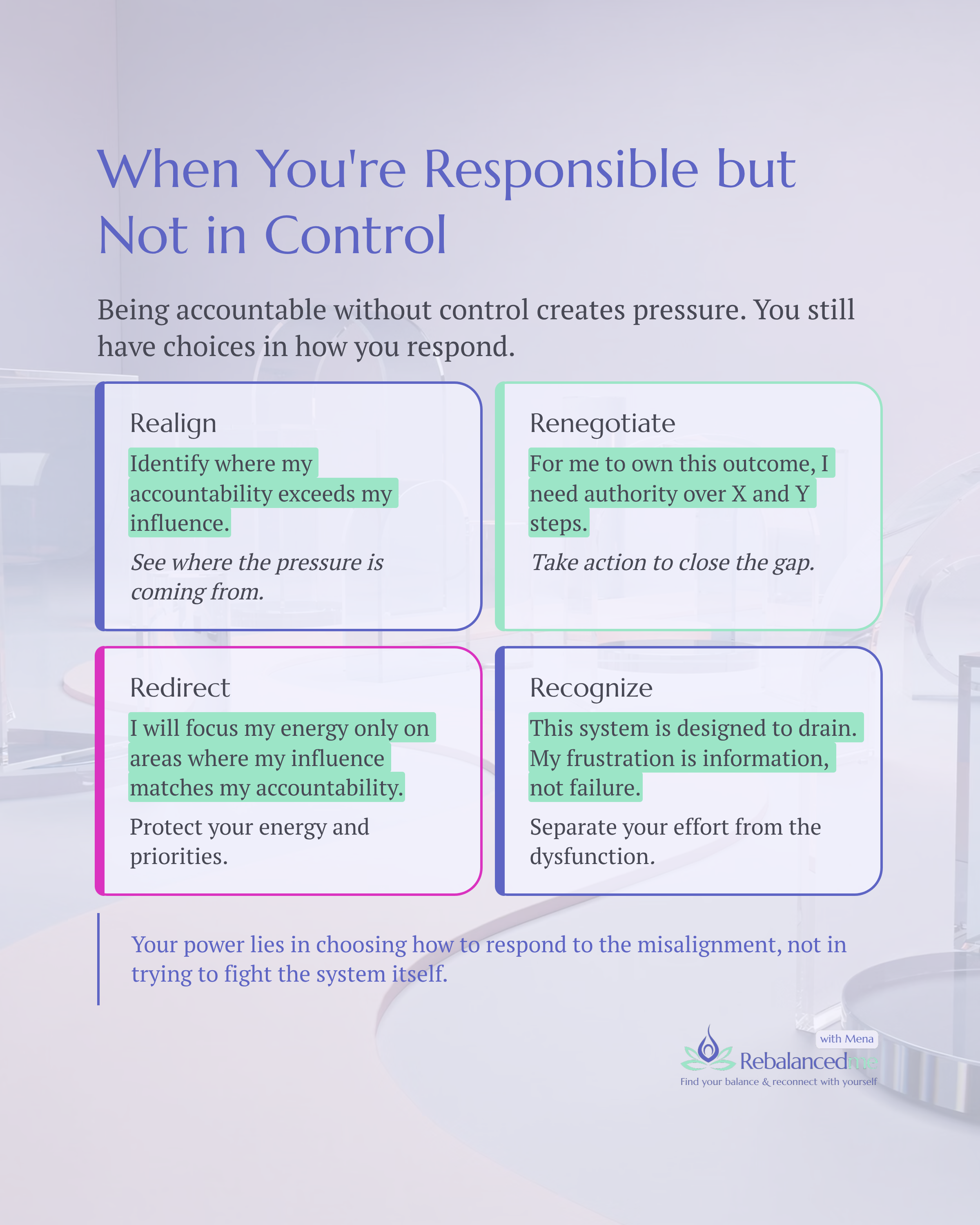
There’s a 𝘀𝗽𝗲𝗰𝗶𝗮𝗹 𝗸𝗶𝗻𝗱 𝗼𝗳 𝗯𝘂𝗿𝗻𝗼𝘂𝘁 that doesn’t come from long hours, but it comes from 𝗺𝗶𝘀𝗮𝗹𝗶𝗴𝗻𝗺𝗲𝗻𝘁: being responsible for results without the authority to influence them. This 𝗱𝗼𝗲𝘀𝗻’𝘁 𝗵𝗮𝘃𝗲 𝘁𝗼 𝗹𝗲𝗮𝘃𝗲 𝘆𝗼𝘂 𝗽𝗼𝘄𝗲𝗿𝗹𝗲𝘀𝘀. The way through is a 𝘀𝘁𝗿𝗮𝘁𝗲𝗴𝗶𝗰 𝘀𝗵𝗶𝗳𝘁. Try these four moves to regain control: ✨ 𝗥𝗲𝗮𝗹𝗶𝗴𝗻 ✨ 𝗥𝗲𝗻𝗲𝗴𝗼𝘁𝗶𝗮𝘁𝗲 ✨ 𝗥𝗲𝗱𝗶𝗿𝗲𝗰𝘁 ✨ 𝗥𝗲𝗰𝗼𝗴𝗻𝗶𝘇𝗲. Your choices are where 𝘆𝗼𝘂𝗿 𝗿𝗲𝗮𝗹 𝗽𝗼𝘄𝗲𝗿 𝗹𝗶𝗲𝘀. 💡 Today, what’s 𝗼𝗻𝗲 𝘀𝗺𝗮𝗹𝗹 𝗮𝗰𝘁𝗶𝗼𝗻 you can take to respond strategically rather than reactively?
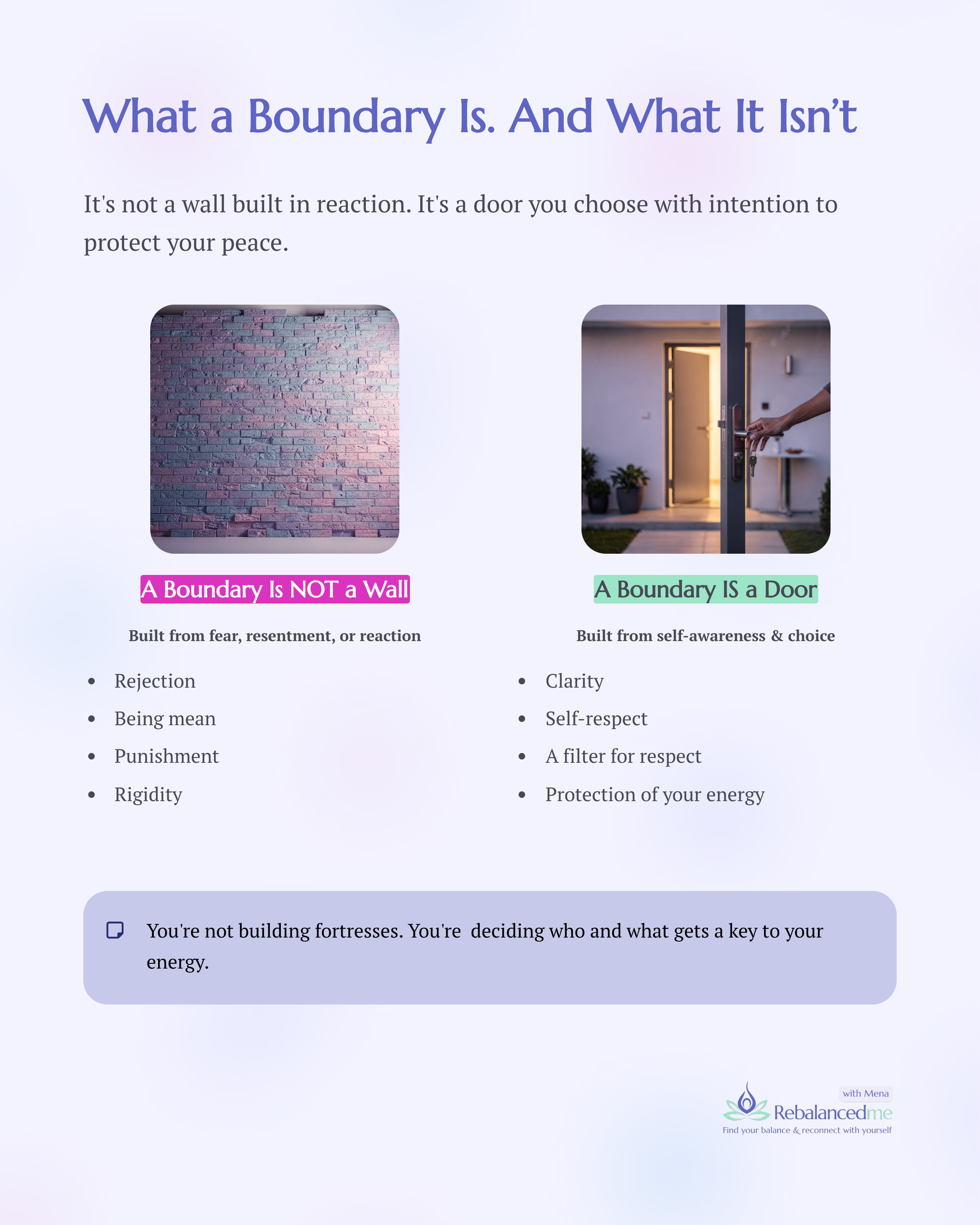
Boundaries are not about pushing people away. They’re about 𝘀𝘁𝗮𝘆𝗶𝗻𝗴 𝗰𝗼𝗻𝗻𝗲𝗰𝘁𝗲𝗱 𝘁𝗼 𝘆𝗼𝘂𝗿𝘀𝗲𝗹𝗳 💖 They don’t end connection. They 𝗱𝗲𝗳𝗶𝗻𝗲 𝘁𝗵𝗲 𝗰𝗼𝗻𝗱𝗶𝘁𝗶𝗼𝗻𝘀 where connection can stay healthy 🌿 Boundaries aren’t built from 𝗳𝗲𝗮𝗿 𝗼𝗿 𝗽𝘂𝗻𝗶𝘀𝗵𝗺𝗲𝗻𝘁. They’re chosen from 𝘀𝗲𝗹𝗳-𝗮𝘄𝗮𝗿𝗲𝗻𝗲𝘀𝘀, 𝗰𝗹𝗮𝗿𝗶𝘁𝘆, 𝗮𝗻𝗱 𝗿𝗲𝘀𝗽𝗲𝗰𝘁 𝗳𝗼𝗿 𝘆𝗼𝘂𝗿 𝗲𝗻𝗲𝗿𝗴𝘆✨ 𝗪𝗵𝗮𝘁 𝗶𝘀 𝗼𝗻𝗲 𝘀𝗺𝗮𝗹𝗹, 𝗰𝗹𝗲𝗮𝗿 “𝗱𝗼𝗼𝗿” 𝘆𝗼𝘂 𝗳𝗲𝗲𝗹 𝗿𝗲𝗮𝗱𝘆 𝘁𝗼 𝗱𝗲𝗳𝗶𝗻𝗲 𝘁𝗵𝗶𝘀 𝘄𝗲𝗲𝗸? 🚪
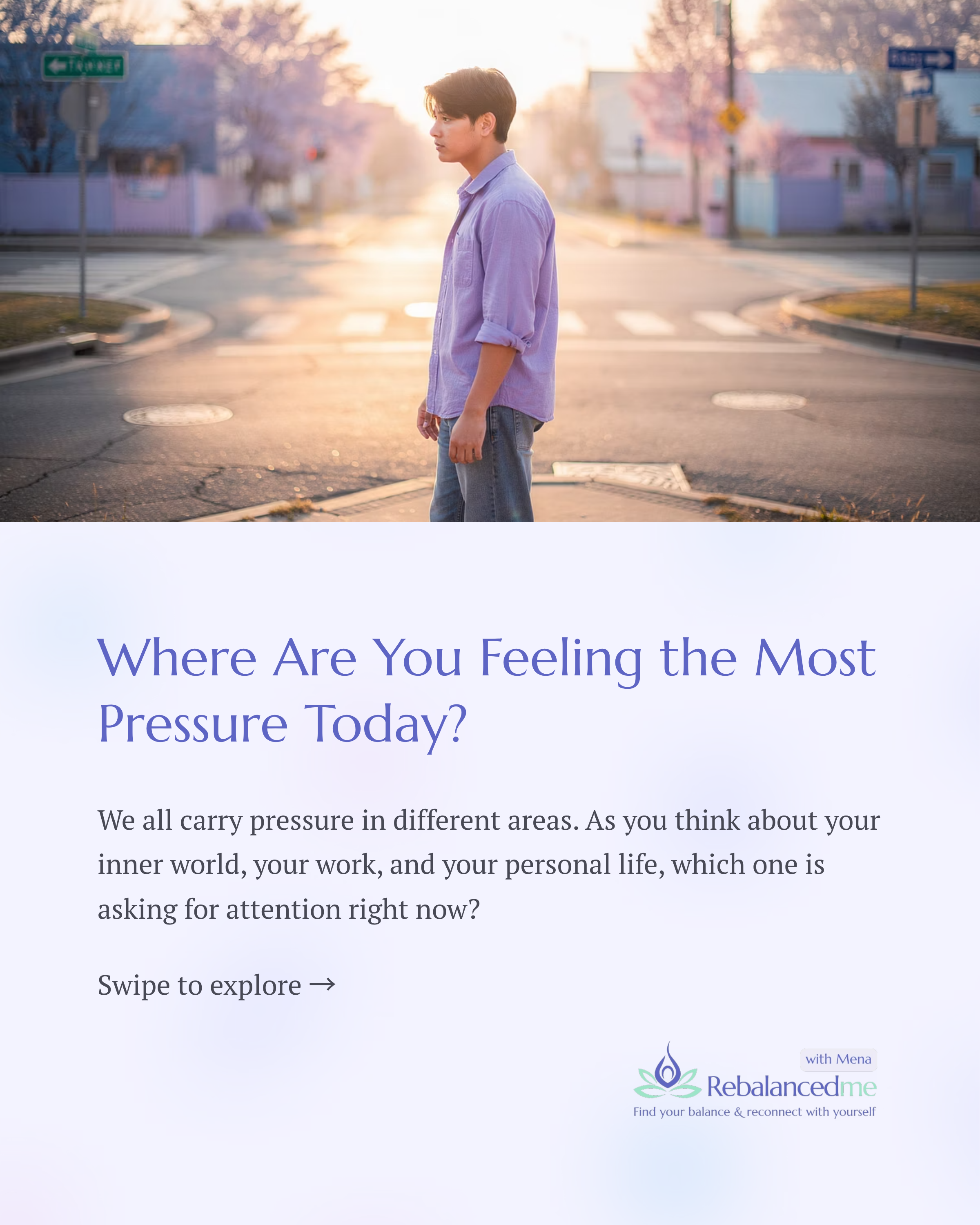
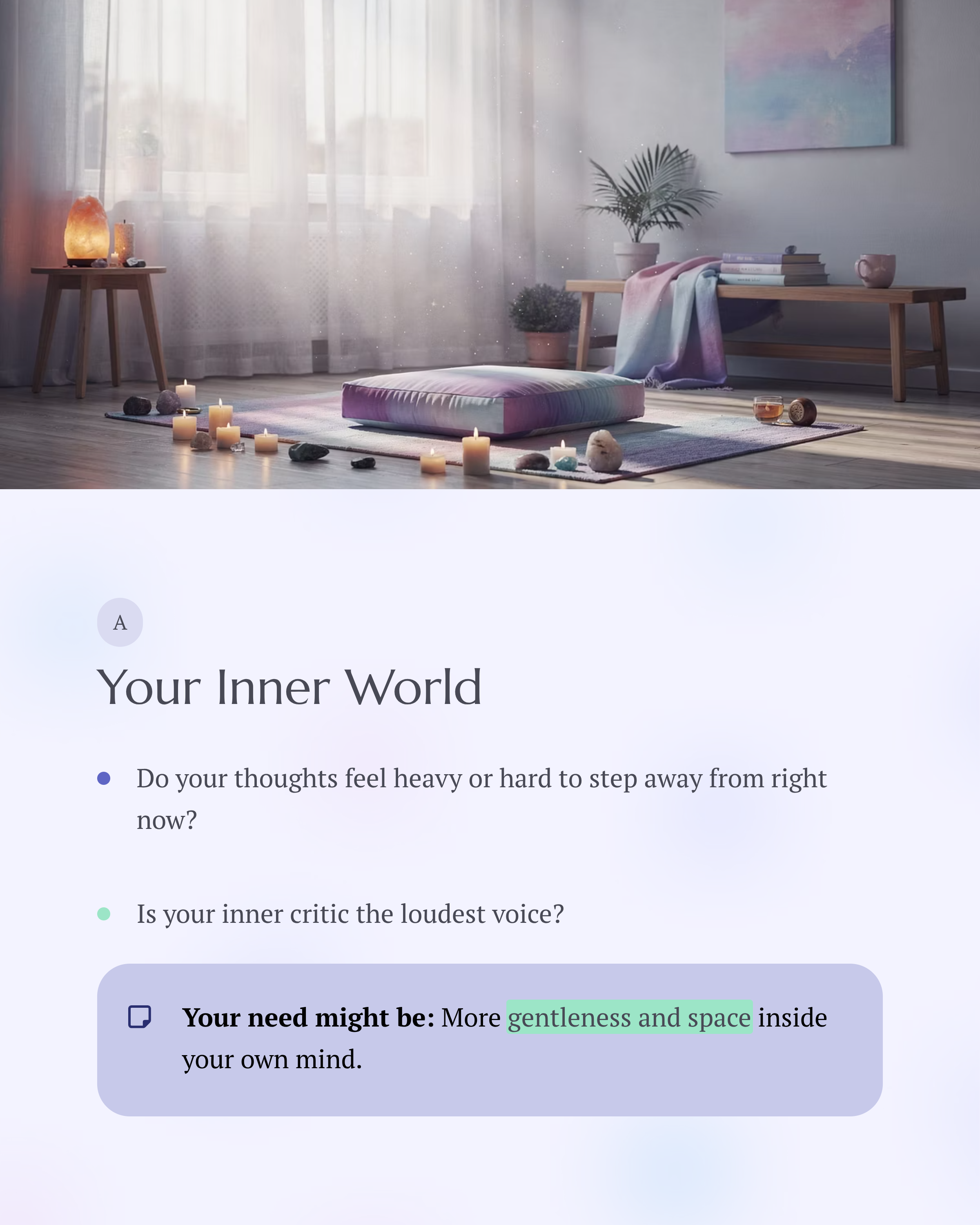
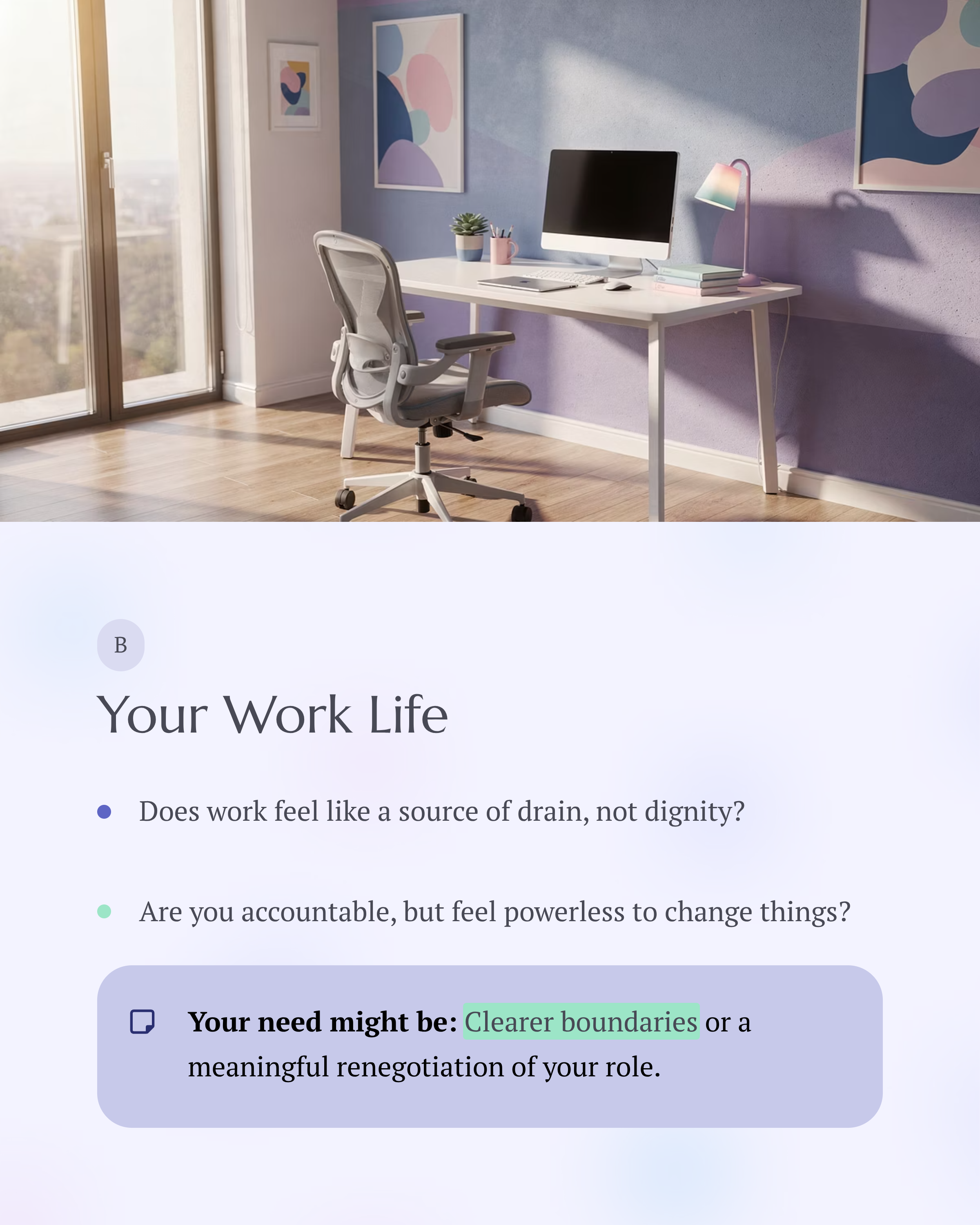
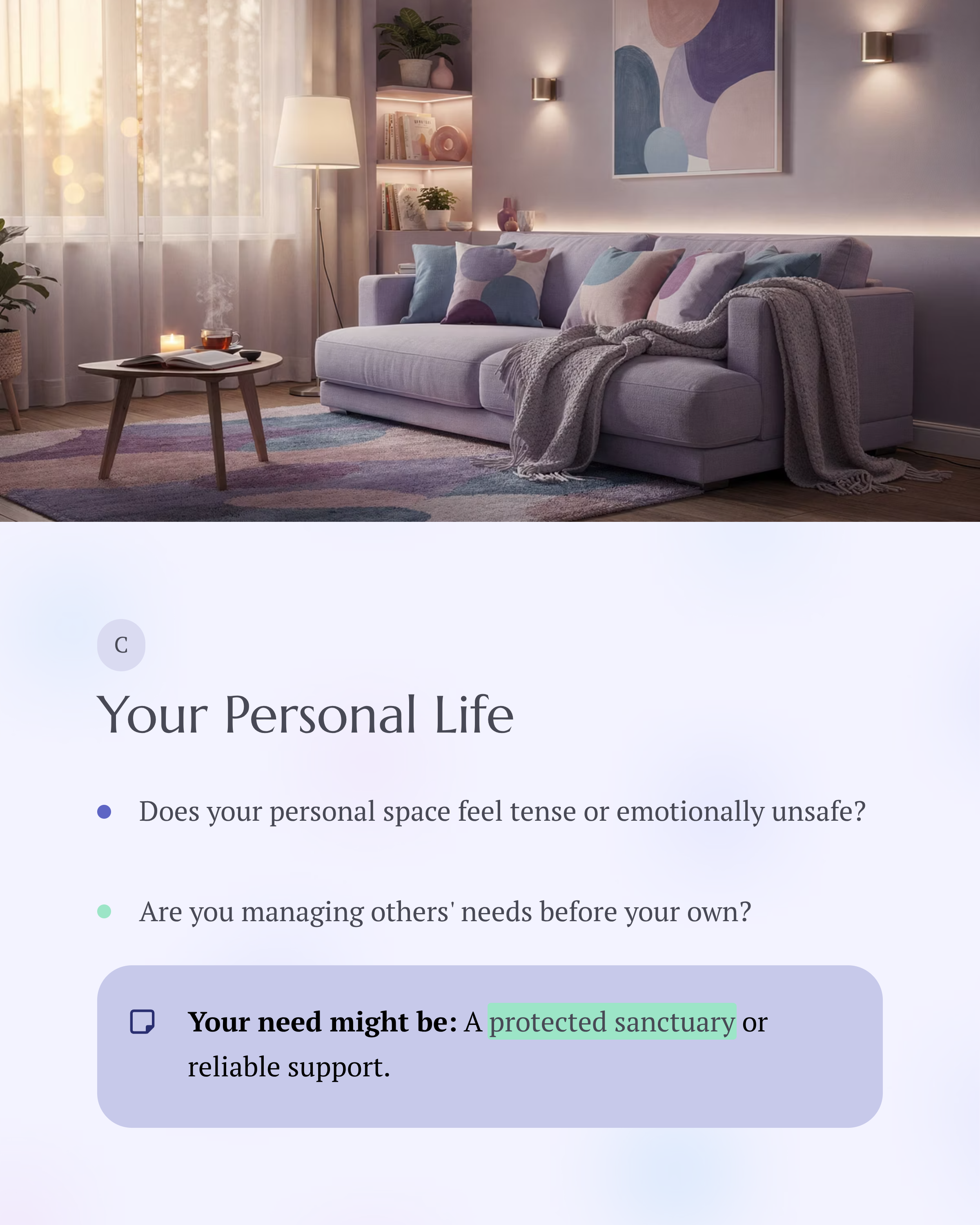
𝗣𝗿𝗲𝘀𝘀𝘂𝗿𝗲 𝘀𝗵𝗼𝘄𝘀 𝘂𝗽 𝗱𝗶𝗳𝗳𝗲𝗿𝗲𝗻𝘁𝗹𝘆 𝗳𝗼𝗿 𝗲𝗮𝗰𝗵 𝗼𝗳 𝘂𝘀: 𝘀𝗼𝗺𝗲𝘁𝗶𝗺𝗲𝘀 𝗶𝗻 𝗼𝘂𝗿 𝗺𝗶𝗻𝗱𝘀, 𝗮𝘁 𝘄𝗼𝗿𝗸, 𝗼𝗿 𝗶𝗻 𝗼𝘂𝗿 𝗽𝗲𝗿𝘀𝗼𝗻𝗮𝗹 𝗹𝗶𝗳𝗲. Today, take a moment to 𝗻𝗼𝘁𝗶𝗰𝗲 𝘄𝗵𝗲𝗿𝗲 𝗶𝘁 𝗳𝗲𝗲𝗹𝘀 𝗵𝗲𝗮𝘃𝗶𝗲𝘀𝘁. You don’t have to fix it all. Simply naming the area that needs care is the first step toward relief. ✨ Pause. Notice. Choose one small act of care. 𝗪𝗵𝗶𝗰𝗵 𝗮𝗿𝗲𝗮 𝗶𝘀 𝗮𝘀𝗸𝗶𝗻𝗴 𝗳𝗼𝗿 𝘆𝗼𝘂𝗿 𝗮𝘁𝘁𝗲𝗻𝘁𝗶𝗼𝗻 𝗿𝗶𝗴𝗵𝘁 𝗻𝗼𝘄?
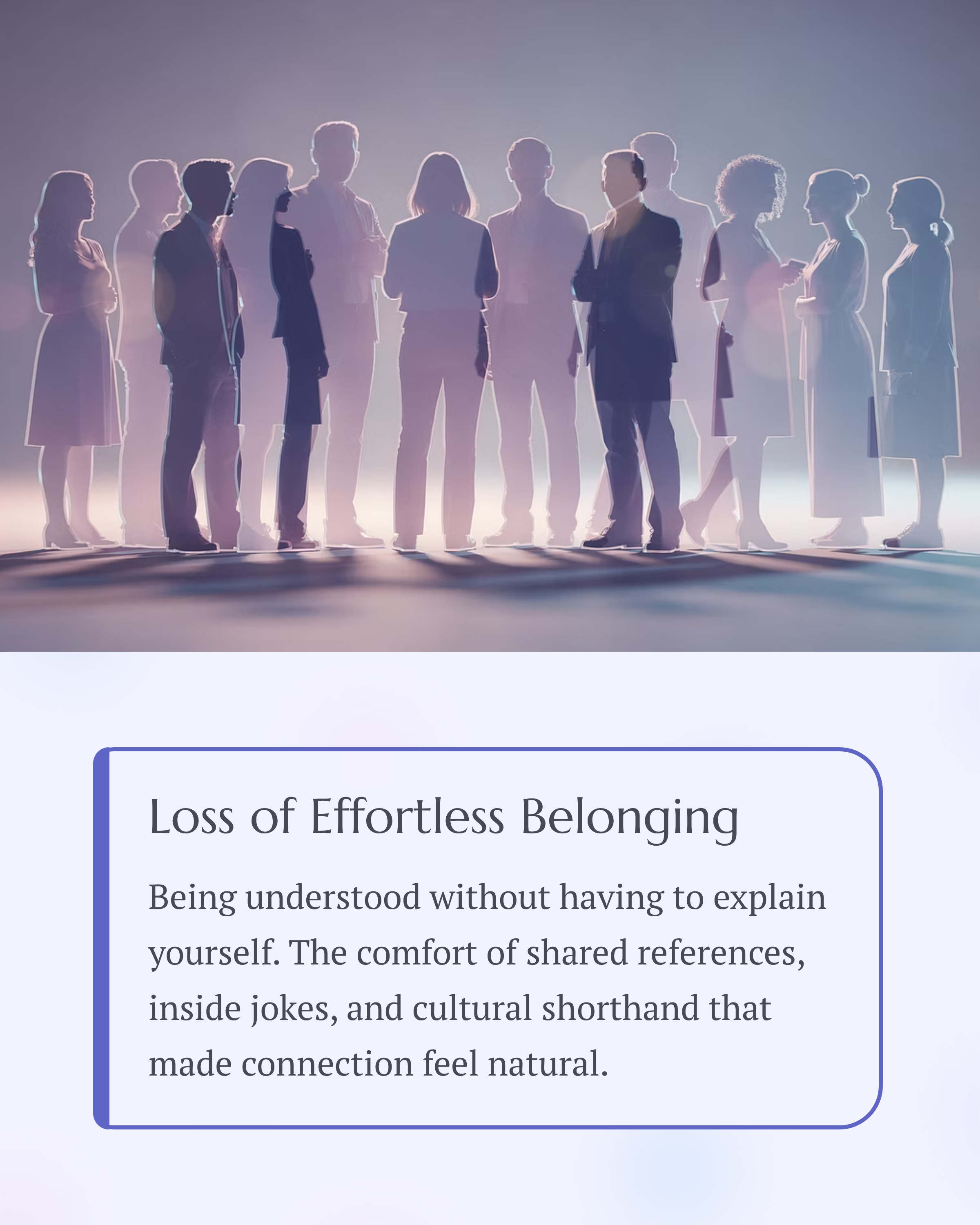
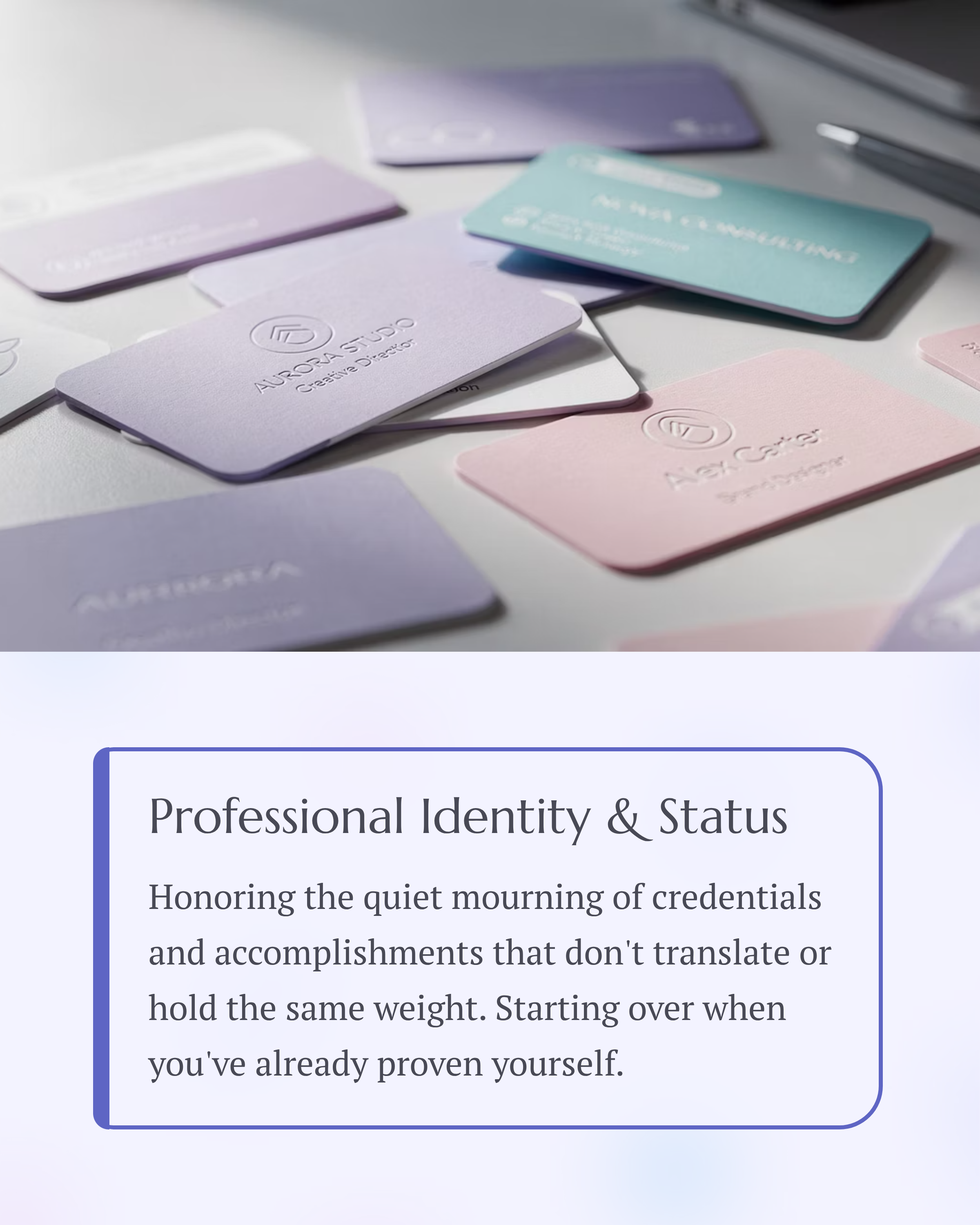
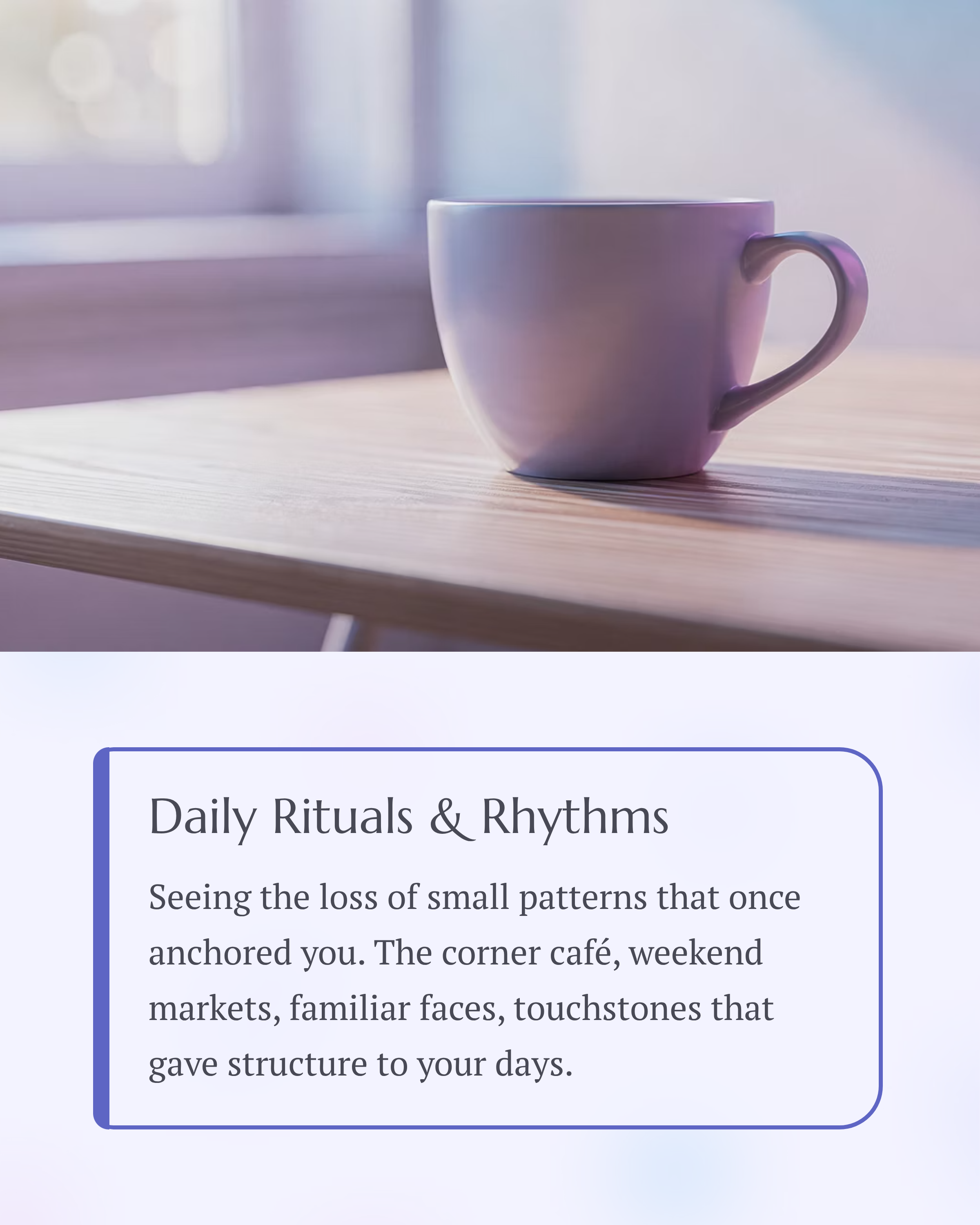
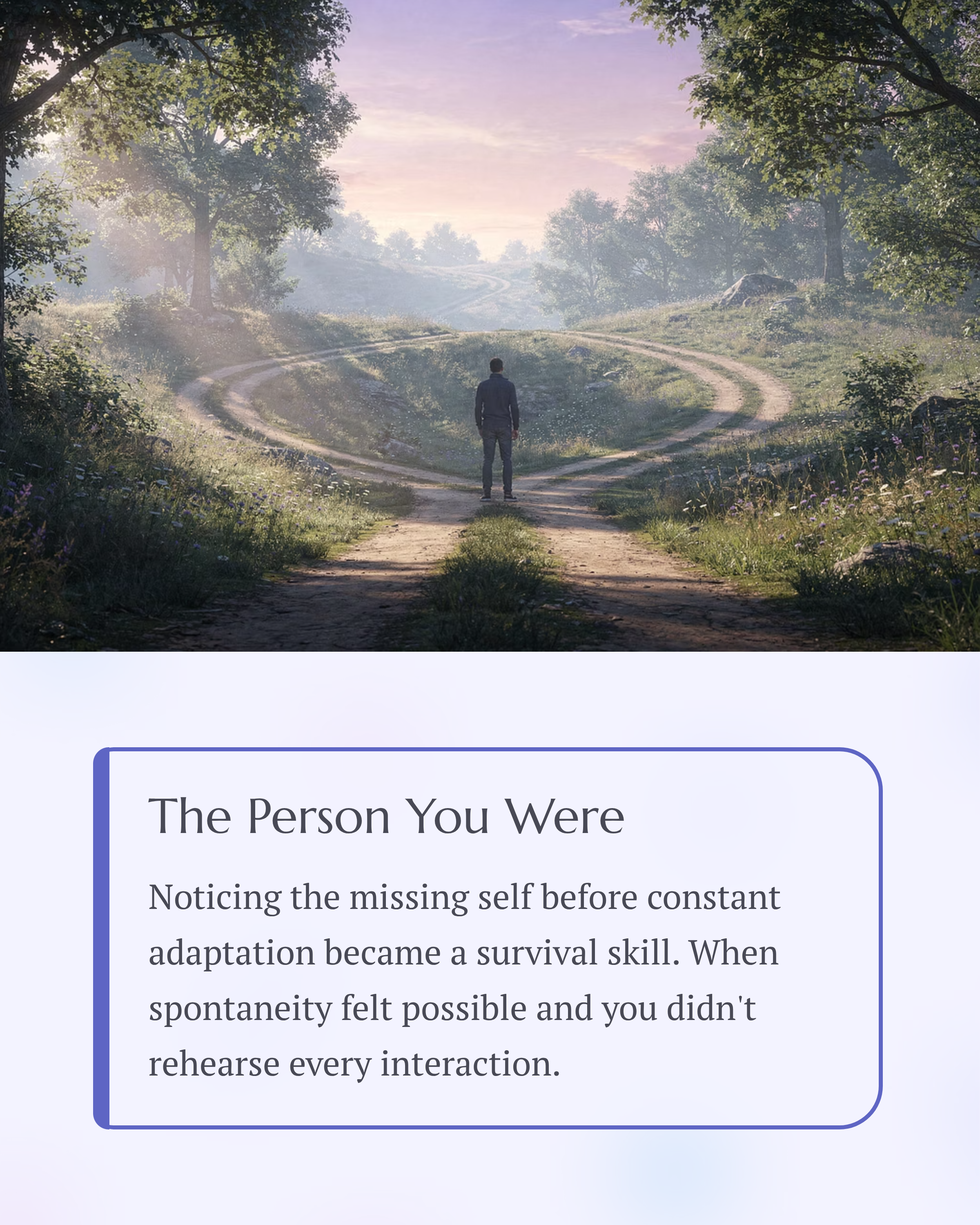
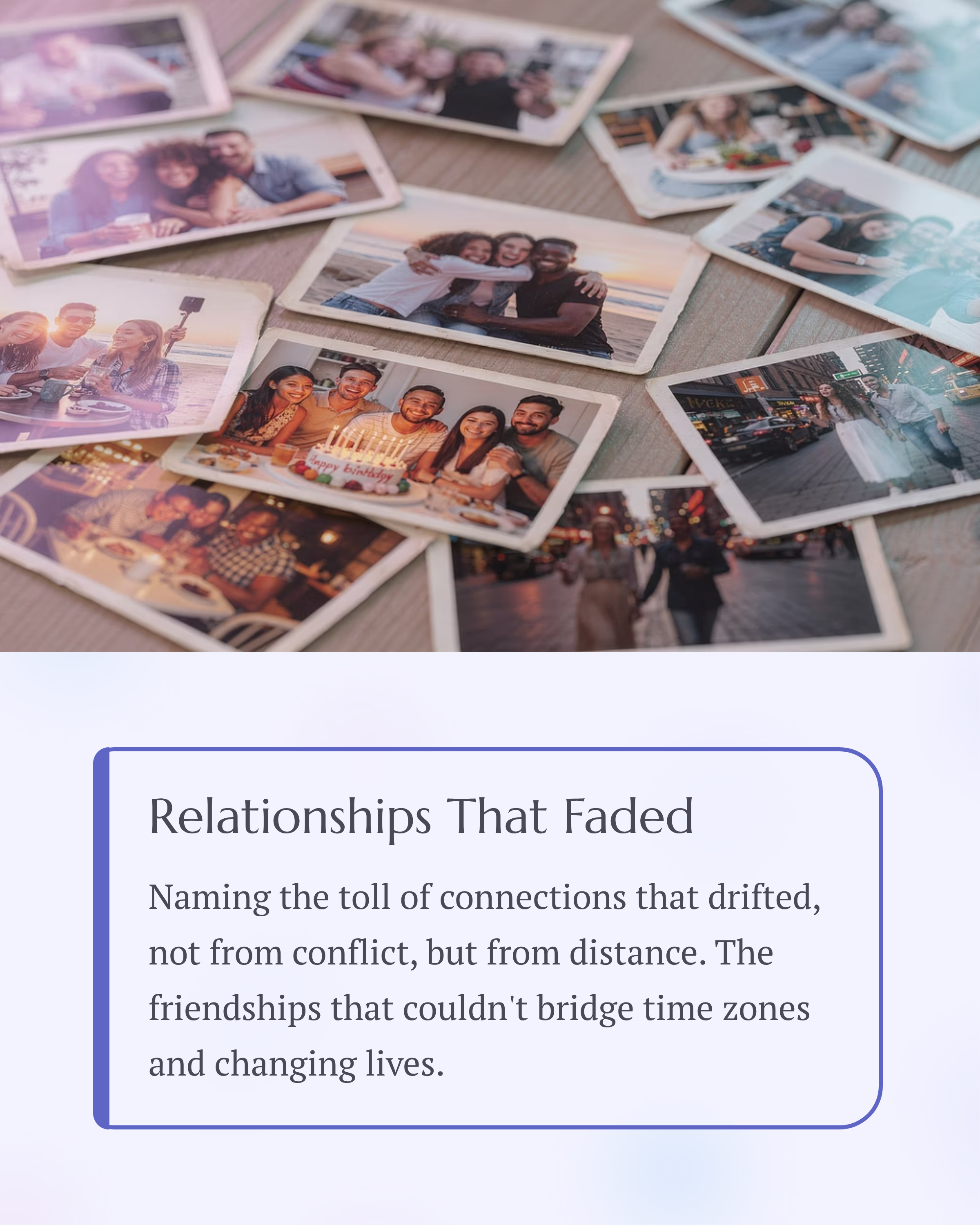
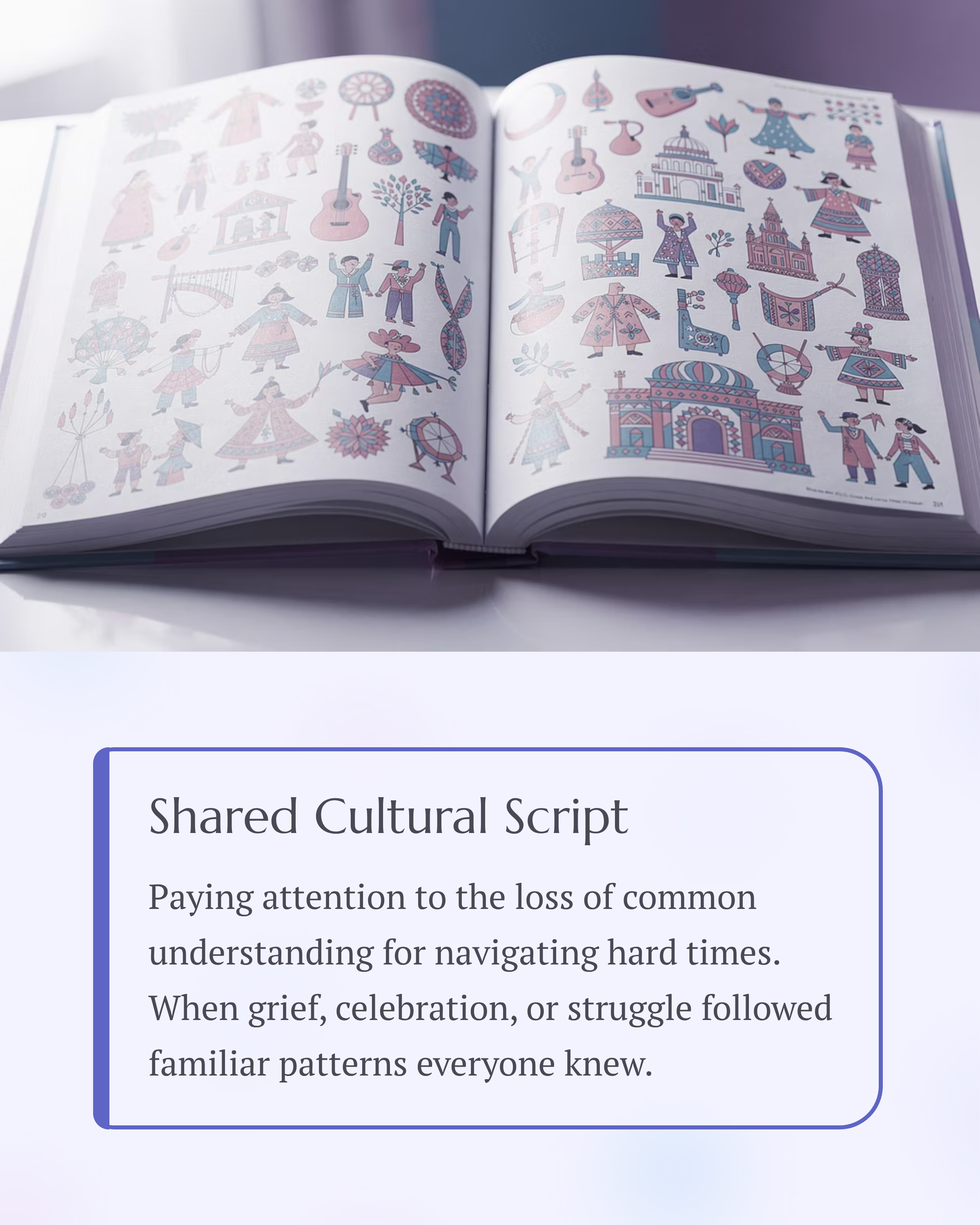
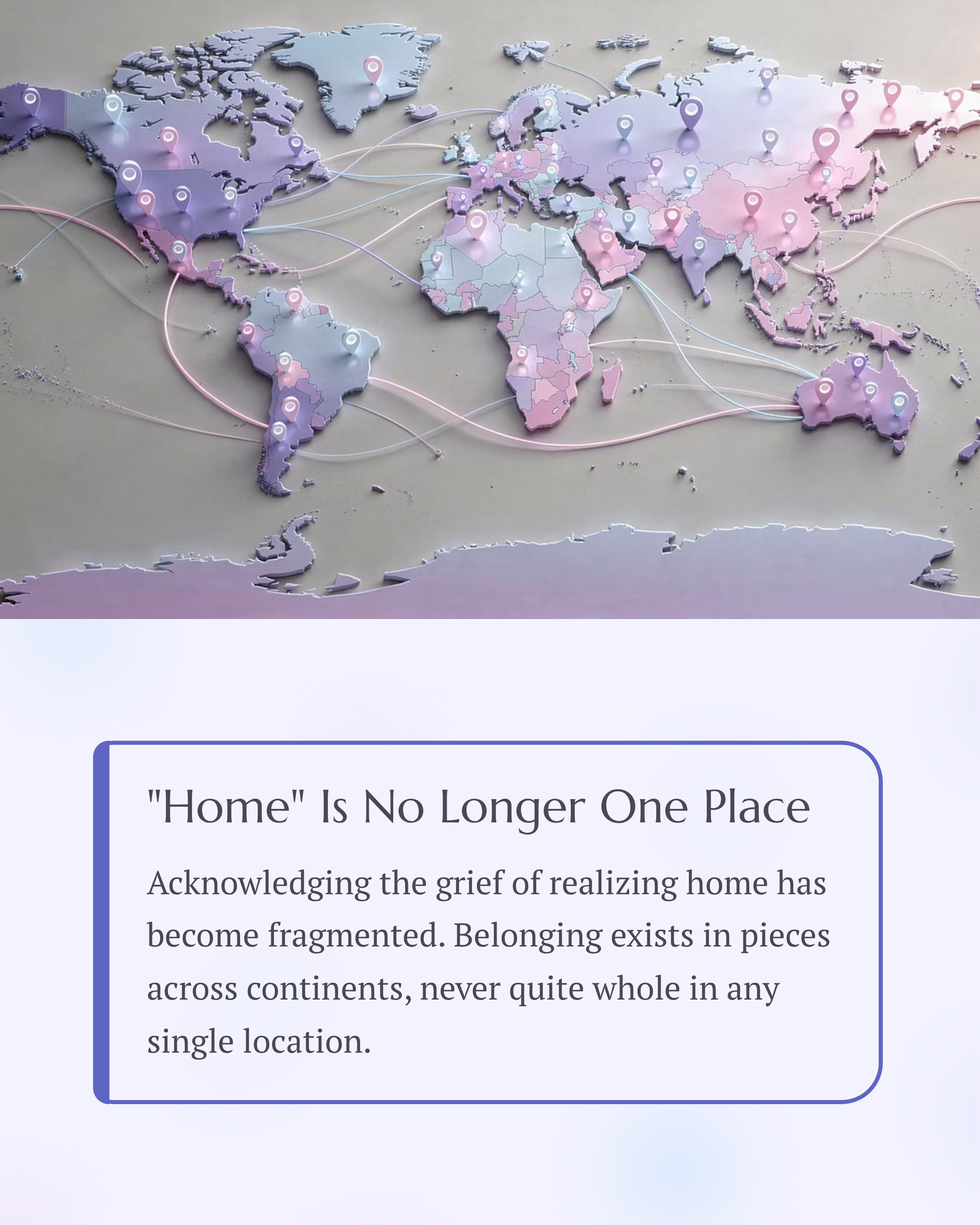
Much of the expat conversation is about adventure, growth, and new horizons. We talk less about the 𝗾𝘂𝗶𝗲𝘁, 𝗮𝗰𝗰𝘂𝗺𝘂𝗹𝗮𝘁𝗶𝗻𝗴 𝘀𝗵𝗶𝗳𝘁𝘀 𝗮𝗻𝗱 𝗰𝗵𝗮𝗹𝗹𝗲𝗻𝗴𝗲𝘀. The subtractions that happen alongside the additions. This isn’t about regret. It’s about naming the very real changes and losses that shape the journey. 𝗧𝗵𝗲 𝗹𝗼𝘀𝘀 𝗼𝗳 𝗲𝗳𝗳𝗼𝗿𝘁𝗹𝗲𝘀𝘀 𝗯𝗲𝗹𝗼𝗻𝗴𝗶𝗻𝗴. 𝗢𝗳 𝗮 𝗰𝗹𝗲𝗮𝗿 𝗽𝗿𝗼𝗳𝗲𝘀𝘀𝗶𝗼𝗻𝗮𝗹 𝗶𝗱𝗲𝗻𝘁𝗶𝘁𝘆. 𝗢𝗳 𝘁𝗵𝗲 𝗽𝗲𝗿𝘀𝗼𝗻 𝘆𝗼𝘂 𝘄𝗲𝗿𝗲 𝗯𝗲𝗳𝗼𝗿𝗲 𝗰𝗼𝗻𝘀𝘁𝗮𝗻𝘁 𝗮𝗱𝗮𝗽𝘁𝗮𝘁𝗶𝗼𝗻 𝗯𝗲𝗰𝗮𝗺𝗲 𝗽𝗮𝗿𝘁 𝗼𝗳 𝗱𝗮𝗶𝗹𝘆 𝗹𝗶𝗳𝗲. This post names eight of those silent tolls. If you see your experience reflected here, please know this: 𝗬𝗼𝘂𝗿 𝗴𝗿𝗶𝗲𝗳 𝗶𝘀 𝗿𝗲𝗮𝗹. 𝗡𝗮𝗺𝗶𝗻𝗴 𝗶𝘁 𝗶𝘀 𝗻𝗼𝘁 𝗰𝗼𝗺𝗽𝗹𝗮𝗶𝗻𝗶𝗻𝗴. 𝗜𝘁’𝘀 𝗻𝗼𝘁 𝗯𝗲𝗶𝗻𝗴 𝘂𝗻𝗴𝗿𝗮𝘁𝗲𝗳𝘂𝗹. It’s a necessary, brave step in l𝗲𝗮𝗿𝗻𝗶𝗻𝗴 𝗵𝗼𝘄 𝘁𝗼 𝘀𝗵𝗮𝗽𝗲 𝗮 𝗹𝗶𝗳𝗲 𝘁𝗵𝗮𝘁 𝗰𝗮𝗻 𝗵𝗼𝗹𝗱 𝗯𝗼𝘁𝗵 𝘄𝗵𝗮𝘁 𝘄𝗮𝘀 𝗹𝗼𝘀𝘁 𝗮𝗻𝗱 𝘄𝗵𝗮𝘁 𝗶𝘀 𝘀𝘁𝗶𝗹𝗹 𝗯𝗲𝗰𝗼𝗺𝗶𝗻𝗴. To my expat community: 𝗪𝗵𝗶𝗰𝗵 𝗼𝗳 𝘁𝗵𝗲𝘀𝗲 𝘀𝗶𝗹𝗲𝗻𝘁 𝘁𝗼𝗹𝗹𝘀 𝗳𝗲𝗲𝗹𝘀 𝗺𝗼𝘀𝘁 𝗽𝗿𝗲𝘀𝗲𝗻𝘁 𝗳𝗼𝗿 𝘆𝗼𝘂 𝗿𝗶𝗴𝗵𝘁 𝗻𝗼𝘄?
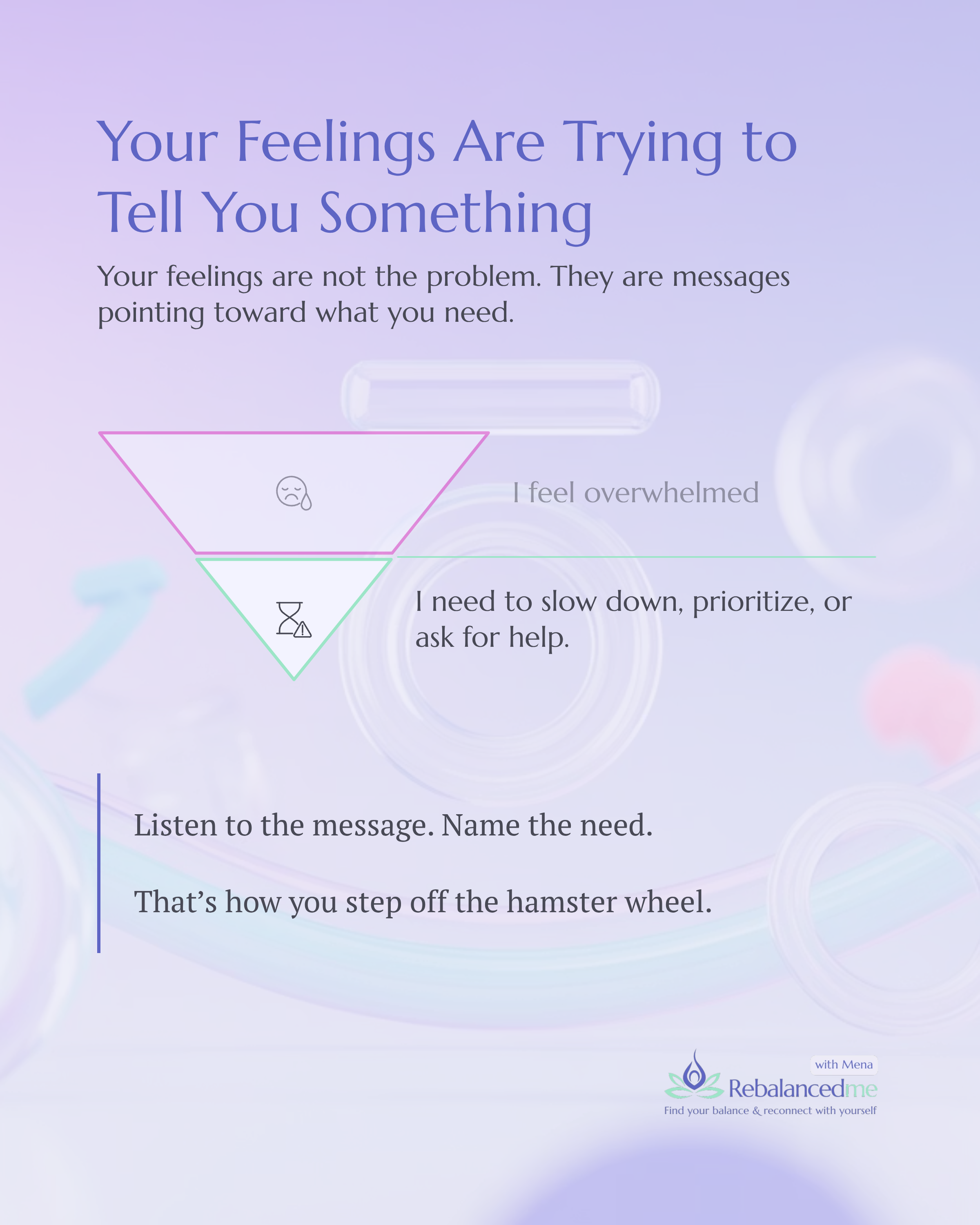
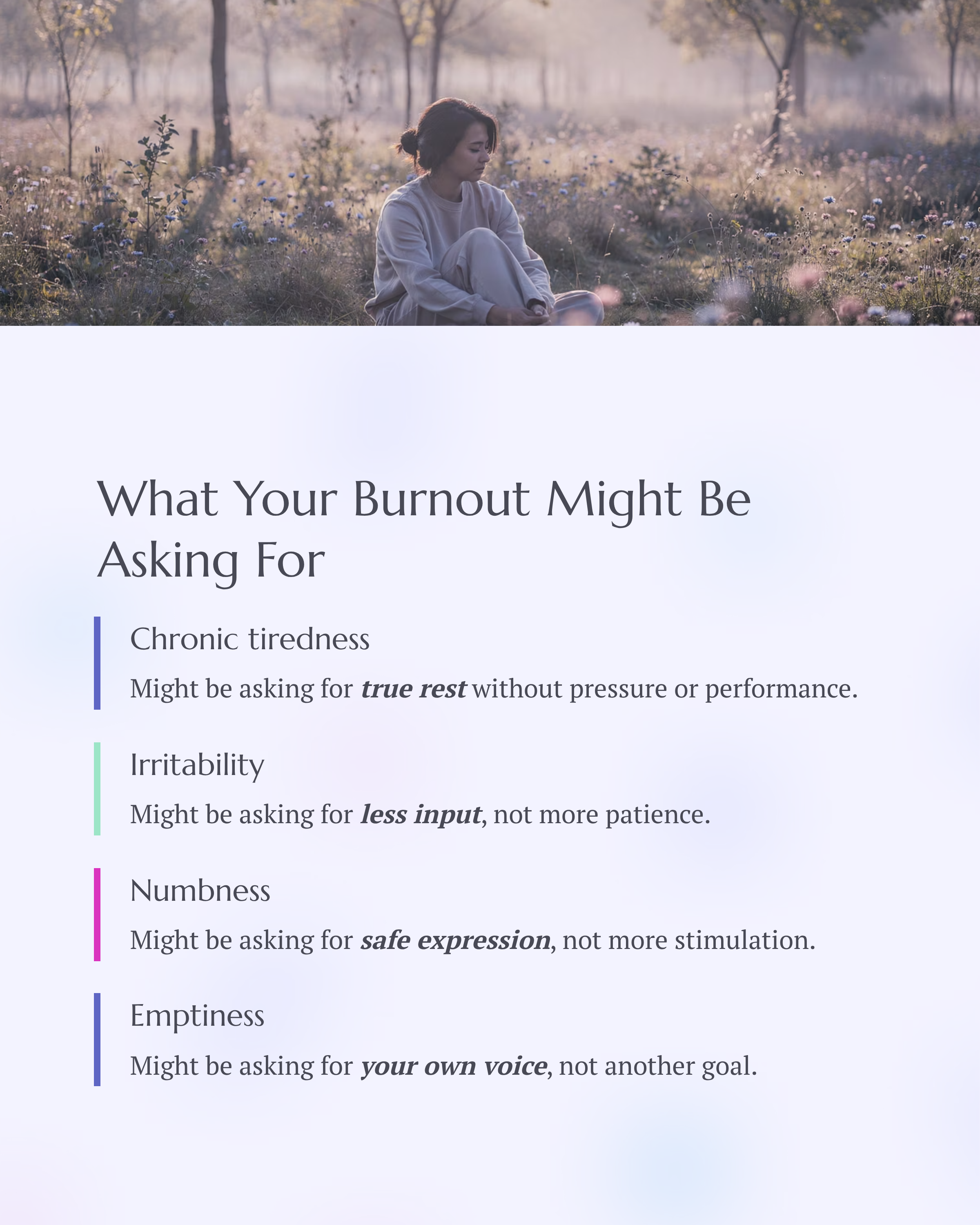
𝗦𝗼 𝗺𝗮𝗻𝘆 𝗼𝗳 𝘂𝘀 𝘄𝗲𝗿𝗲 𝘁𝗮𝘂𝗴𝗵𝘁 𝘁𝗼 𝗳𝗶𝘅, 𝘀𝘂𝗽𝗽𝗿𝗲𝘀𝘀, 𝗼𝗿 𝗷𝘂𝗱𝗴𝗲 𝗼𝘂𝗿 𝗳𝗲𝗲𝗹𝗶𝗻𝗴𝘀. Especially the uncomfortable ones. But what if your feelings aren’t the problem, but messages to listen to? Small messengers pointing toward something you need. Here is how you might start translating those messages: • “I feel 𝗼𝘃𝗲𝗿𝘄𝗵𝗲𝗹𝗺𝗲𝗱” → This may be your signal that: “I need to 𝘀𝗹𝗼𝘄 𝗱𝗼𝘄𝗻, 𝗽𝗿𝗶𝗼𝗿𝗶𝘁𝗶𝘇𝗲, or 𝗮𝘀𝗸 𝗳𝗼𝗿 𝗵𝗲𝗹𝗽.” • “I feel 𝗿𝗲𝘀𝗲𝗻𝘁𝗳𝘂𝗹" → This may be telling you: “I need to 𝘀𝗲𝘁 𝗮 𝗰𝗹𝗲𝗮𝗿𝗲𝗿 𝗯𝗼𝘂𝗻𝗱𝗮𝗿𝘆.” • “I feel 𝗱𝗿𝗮𝗶𝗻𝗲𝗱" → This often points to: “I need 𝗿𝗲𝘀𝘁, 𝗿𝗲𝗰𝗼𝘃𝗲𝗿𝘆, or 𝗳𝗲𝘄𝗲𝗿 𝗱𝗲𝗺𝗮𝗻𝗱𝘀.” • “I feel 𝗮𝗻𝘅𝗶𝗼𝘂𝘀" → This may be asking for: “I need 𝗿𝗲𝗮𝘀𝘀𝘂𝗿𝗮𝗻𝗰𝗲, 𝗰𝗹𝗮𝗿𝗶𝘁𝘆, or a 𝘀𝗲𝗻𝘀𝗲 𝗼𝗳 𝘀𝗮𝗳𝗲𝘁𝘆.” • “I feel 𝗶𝗿𝗿𝗶𝘁𝗮𝗯𝗹𝗲" → This often means: “I am overstimulated and 𝗻𝗲𝗲𝗱 𝗹𝗲𝘀𝘀 𝗶𝗻𝗽𝘂𝘁.” • “I feel 𝗴𝘂𝗶𝗹𝘁𝘆 𝗳𝗼𝗿 𝗿𝗲𝘀𝘁𝗶𝗻𝗴" → This often reveals: “I’m 𝘀𝘁𝗶𝗹𝗹 𝗰𝗮𝗿𝗿𝘆𝗶𝗻𝗴 𝗮𝗻 𝗼𝗹𝗱 𝘀𝘁𝗼𝗿𝘆 𝗮𝗯𝗼𝘂𝘁 𝘄𝗼𝗿𝘁𝗵 𝗮𝗻𝗱 𝗽𝗿𝗼𝗱𝘂𝗰𝘁𝗶𝘃𝗶𝘁𝘆.” 𝗡𝗼𝘁𝗵𝗶𝗻𝗴 𝗶𝘀 𝘄𝗿𝗼𝗻𝗴 𝘄𝗶𝘁𝗵 𝘆𝗼𝘂 𝗳𝗼𝗿 𝗳𝗲𝗲𝗹𝗶𝗻𝗴 𝘁𝗵𝗶𝘀 𝘄𝗮𝘆. 𝗧𝗵𝗲𝗿𝗲 𝗶𝘀 𝗶𝗻𝗳𝗼𝗿𝗺𝗮𝘁𝗶𝗼𝗻 𝗵𝗲𝗿𝗲. Listening to the message and naming the need is often the first gentle step off the hamster wheel. The next time a feeling shows up, try pausing instead of pushing. 𝗔𝘀𝗸 𝘆𝗼𝘂𝗿𝘀𝗲𝗹𝗳: 𝗪𝗵𝗮𝘁 𝗺𝗶𝗴𝗵𝘁 𝘁𝗵𝗶𝘀 𝗯𝗲 𝗽𝗼𝗶𝗻𝘁𝗶𝗻𝗴 𝗺𝗲 𝘁𝗼𝘄𝗮𝗿𝗱?
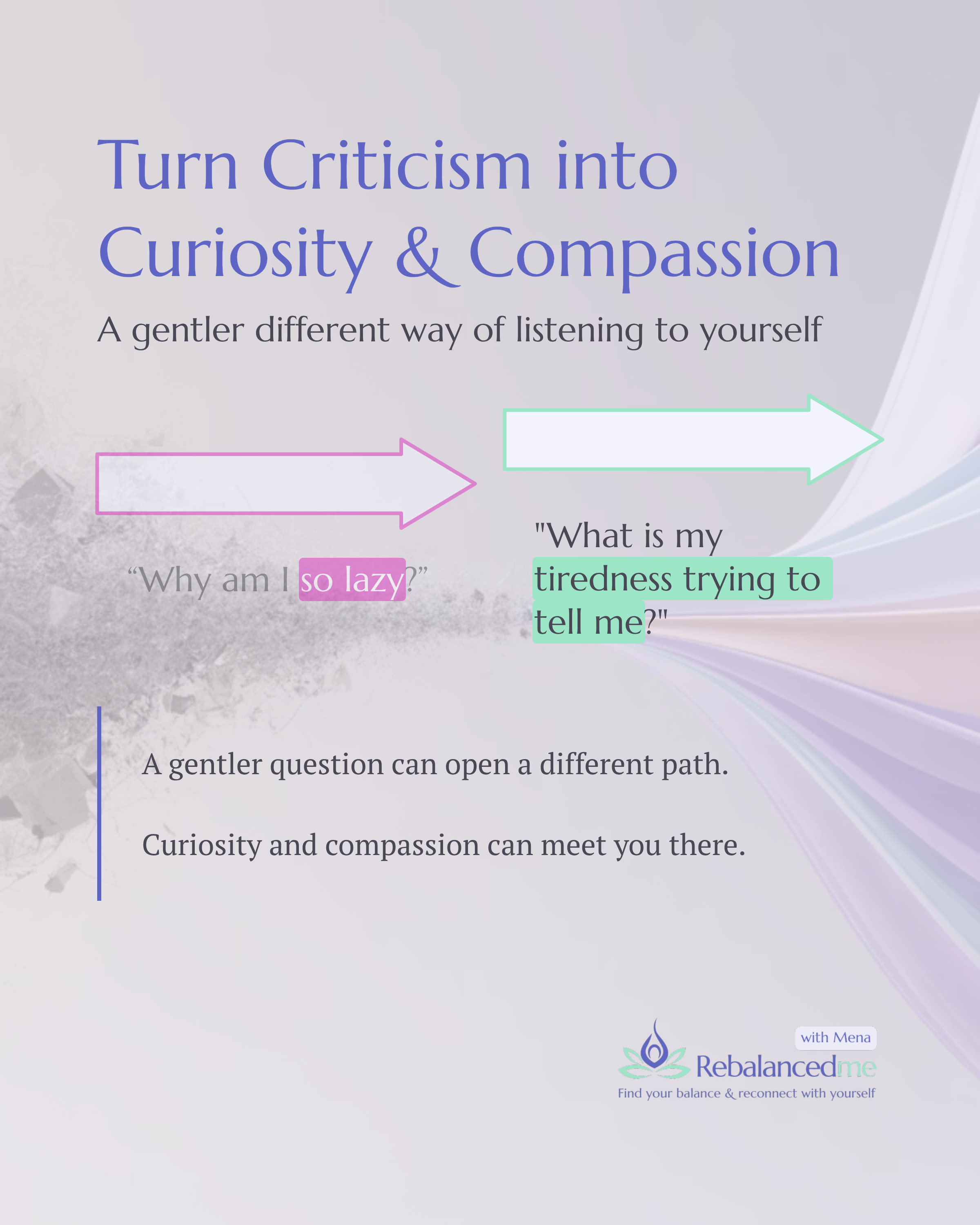
𝗦𝗼 𝗺𝘂𝗰𝗵 𝗼𝗳 𝗼𝘂𝗿 𝗶𝗻𝗻𝗲𝗿 𝘀𝘁𝗿𝗲𝘀𝘀 𝗹𝗶𝘃𝗲𝘀 𝗶𝗻 𝘁𝗵𝗲 𝘀𝗲𝗻𝘁𝗲𝗻𝗰𝗲𝘀 𝘄𝗲 𝘁𝗲𝗹𝗹 𝗼𝘂𝗿𝘀𝗲𝗹𝘃𝗲𝘀. 𝗕𝘆 𝘁𝘂𝗿𝗻𝗶𝗻𝗴 𝘁𝗵𝗲𝗺 𝗶𝗻𝘁𝗼 𝗴𝗲𝗻𝘁𝗹𝗲𝗿 𝗾𝘂𝗲𝘀𝘁𝗶𝗼𝗻𝘀, 𝘄𝗲 𝗰𝗿𝗲𝗮𝘁𝗲 𝘀𝗽𝗮𝗰𝗲 𝗳𝗼𝗿 𝗰𝘂𝗿𝗶𝗼𝘀𝗶𝘁𝘆 𝗮𝗻𝗱 𝗰𝗼𝗺𝗽𝗮𝘀𝘀𝗶𝗼𝗻. When we ask harsh questions, we get harsh answers. When we ask curious ones, we 𝗰𝗿𝗲𝗮𝘁𝗲 𝗿𝗼𝗼𝗺 𝘁𝗼 𝗹𝗶𝘀𝘁𝗲𝗻. Try noticing the tone of your inner voice this week. “I can’t handle this.” → 𝗪𝗵𝗮𝘁 𝗽𝗮𝗿𝘁 𝗼𝗳 𝘁𝗵𝗶𝘀 𝗳𝗲𝗲𝗹𝘀 𝗵𝗲𝗮𝘃𝘆 𝗿𝗶𝗴𝗵𝘁 𝗻𝗼𝘄? “I should be further along.” → 𝗪𝗵𝗮𝘁 𝗽𝗿𝗼𝗴𝗿𝗲𝘀𝘀 𝗵𝗮𝘃𝗲 𝗜 𝗮𝗹𝗿𝗲𝗮𝗱𝘆 𝗺𝗮𝗱𝗲? “I have to get this perfect.” → 𝗪𝗵𝗮𝘁 𝘄𝗼𝘂𝗹𝗱 𝗯𝗲 𝗴𝗼𝗼𝗱 𝗲𝗻𝗼𝘂𝗴𝗵 𝗳𝗼𝗿 𝘁𝗼𝗱𝗮𝘆? You don’t need better answers yet. 𝗦𝗼𝗺𝗲𝘁𝗶𝗺𝗲𝘀, 𝗮 𝗸𝗶𝗻𝗱𝗲𝗿 𝗾𝘂𝗲𝘀𝘁𝗶𝗼𝗻 𝗶𝘀 𝘁𝗵𝗲 𝗯𝗲𝗴𝗶𝗻𝗻𝗶𝗻𝗴 𝗼𝗳 𝗰𝗮𝗿𝗲.
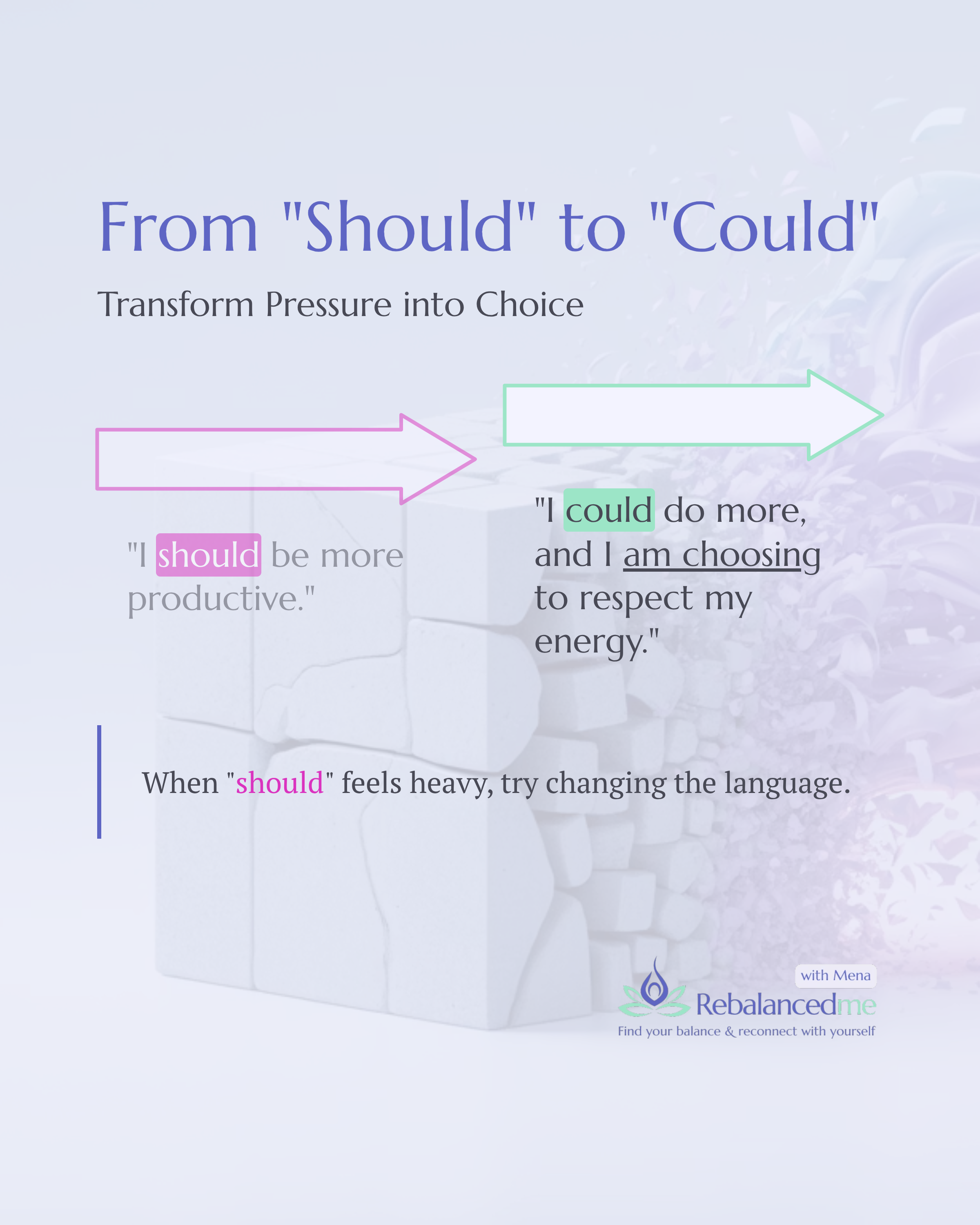
“I 𝘀𝗵𝗼𝘂𝗹𝗱 be more productive” → “I 𝗰𝗼𝘂𝗹𝗱 do more, and I am choosing to respect my energy.” 𝗦𝗼 𝗺𝘂𝗰𝗵 𝗼𝗳 𝗼𝘂𝗿 𝘀𝘁𝗿𝗲𝘀𝘀 𝗶𝘀 𝗰𝗮𝗿𝗿𝗶𝗲𝗱 𝗶𝗻 𝗼𝗻𝗲 𝘀𝗺𝗮𝗹𝗹 𝘄𝗼𝗿𝗱: 𝘀𝗵𝗼𝘂𝗹𝗱. It sounds neutral, but it often hides pressure, comparison, and self-judgment. It tells your nervous system there's a right way to be, and you're failing it. “𝗖𝗼𝘂𝗹𝗱” 𝗰𝗿𝗲𝗮𝘁𝗲𝘀 𝘀𝗼𝗺𝗲𝘁𝗵𝗶𝗻𝗴 𝗱𝗶𝗳𝗳𝗲𝗿𝗲𝗻𝘁. It keeps possibility while giving choice back to you. Here are a few other places this shift can soften pressure: • “I should work late” → “I could finish this, and I choose to rest.” • “I should say yes” → “I could say yes, and I’m choosing no.” • “I should be over this by now” → “I could be further along, and I accept where I am today.” • “I should go to that event” → “I could go, and I’m prioritizing quiet tonight.” • “I should have this figured out” → “I could have all the answers, and I’m still learning.” • “I should be more like them” → “I could follow their path, and I’m honouring mine.” • “I should feel grateful” → “I could focus on the good, and I’m making room for how I actually feel.” This isn’t about doing less. It’s about doing things 𝗳𝗿𝗼𝗺 𝗰𝗵𝗼𝗶𝗰𝗲 𝗶𝗻𝘀𝘁𝗲𝗮𝗱 𝗼𝗳 𝗽𝗿𝗲𝘀𝘀𝘂𝗿𝗲. 𝗥𝗲𝗳𝗹𝗲𝗰𝘁𝗶𝗼𝗻 𝗾𝘂𝗲𝘀𝘁𝗶𝗼𝗻: Where is “𝘀𝗵𝗼𝘂𝗹𝗱” tightening your body right now? What happens if you replace it with “𝗰𝗼𝘂𝗹𝗱”?
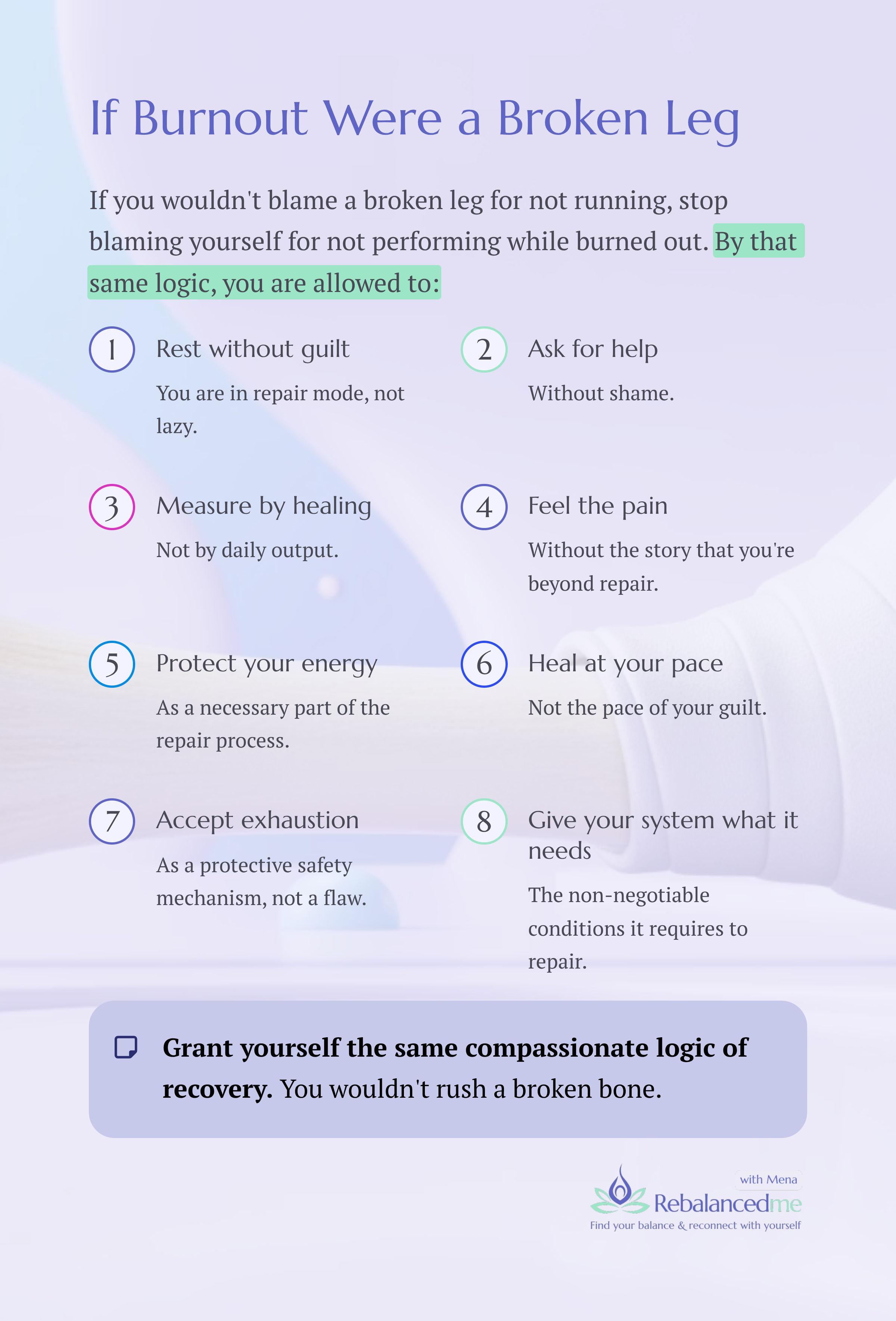
𝗕𝘂𝗿𝗻𝗼𝘂𝘁 𝗶𝘀 𝗻𝗼𝘁 𝗮 𝗽𝗲𝗿𝘀𝗼𝗻𝗮𝗹 𝗳𝗮𝗶𝗹𝘂𝗿𝗲. 𝗜𝘁 𝗶𝘀 𝗮 𝘀𝘆𝘀𝘁𝗲𝗺 𝗮𝘀𝗸𝗶𝗻𝗴 𝗳𝗼𝗿 𝗿𝗲𝗽𝗮𝗶𝗿. If you had a broken leg, rest would not be optional. Healing would not be rushed. Support would not need justification. Yet when it comes to exhaustion, we often expect ourselves to push through, explain ourselves, or earn rest. This is your reminder that recovery follows its own logic. And you are allowed to honour it. Save this if you need permission today. 𝗪𝗵𝗶𝗰𝗵 𝗹𝗶𝗻𝗲 𝗳𝗲𝗹𝘁 𝗵𝗮𝗿𝗱𝗲𝘀𝘁 𝘁𝗼 𝗮𝗰𝗰𝗲𝗽𝘁?
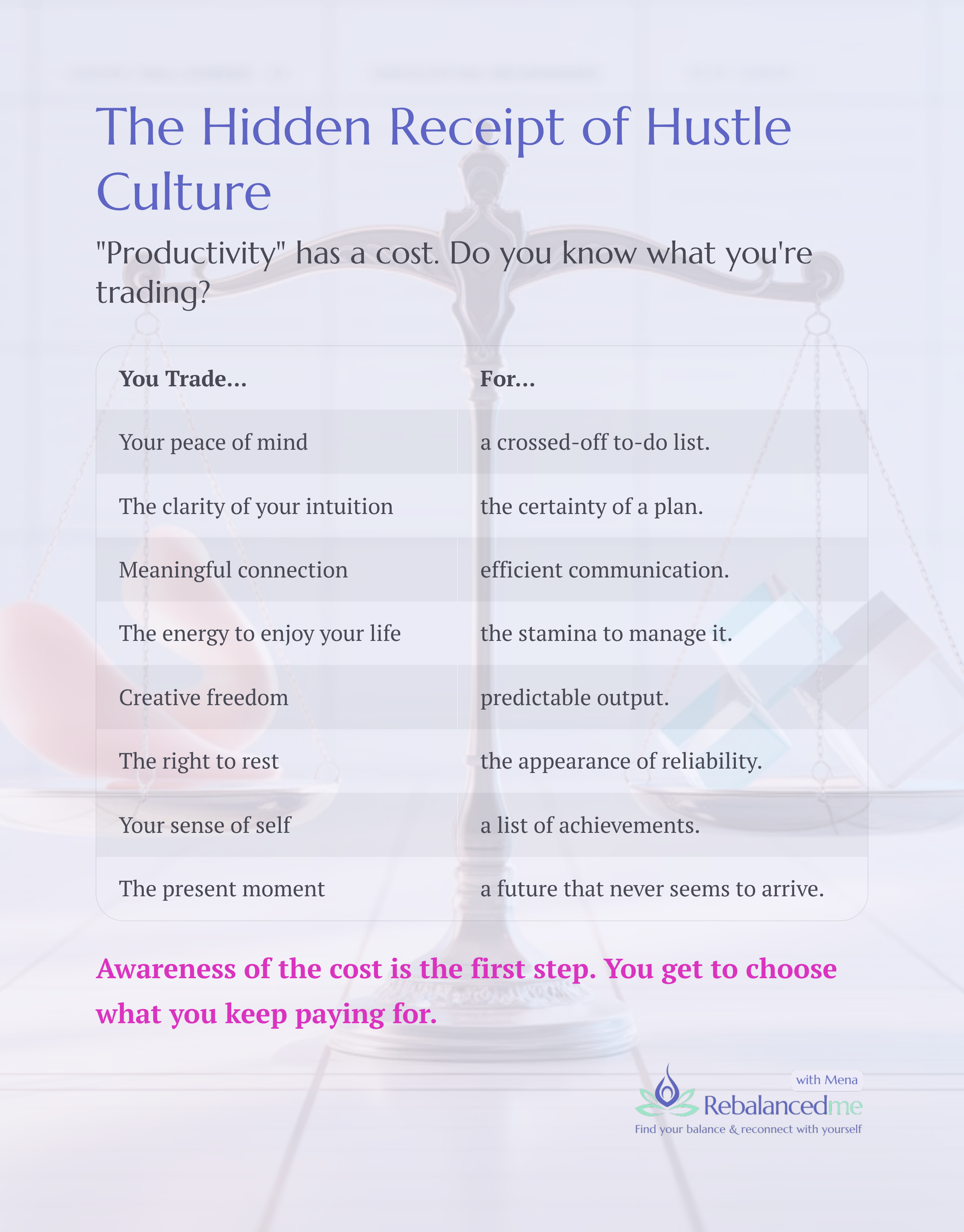
𝗪𝗲 𝗱𝗼𝗻’𝘁 𝘂𝘀𝘂𝗮𝗹𝗹𝘆 𝗻𝗼𝘁𝗶𝗰𝗲 𝘁𝗵𝗲 𝗰𝗼𝘀𝘁 𝘄𝗵𝗶𝗹𝗲 𝘄𝗲’𝗿𝗲 𝗽𝗮𝘆𝗶𝗻𝗴 𝗶𝘁. This isn’t about blaming productivity or ambition. It’s about becoming aware of what your energy has been paying for. Hustle culture rarely asks for consent. It just keeps charging. 𝗪𝗵𝗶𝗰𝗵 𝗼𝗻𝗲 𝗺𝗮𝗱𝗲 𝘆𝗼𝘂 𝘀𝘁𝗼𝗽 𝗳𝗼𝗿 𝗮 𝗺𝗼𝗺𝗲𝗻𝘁?
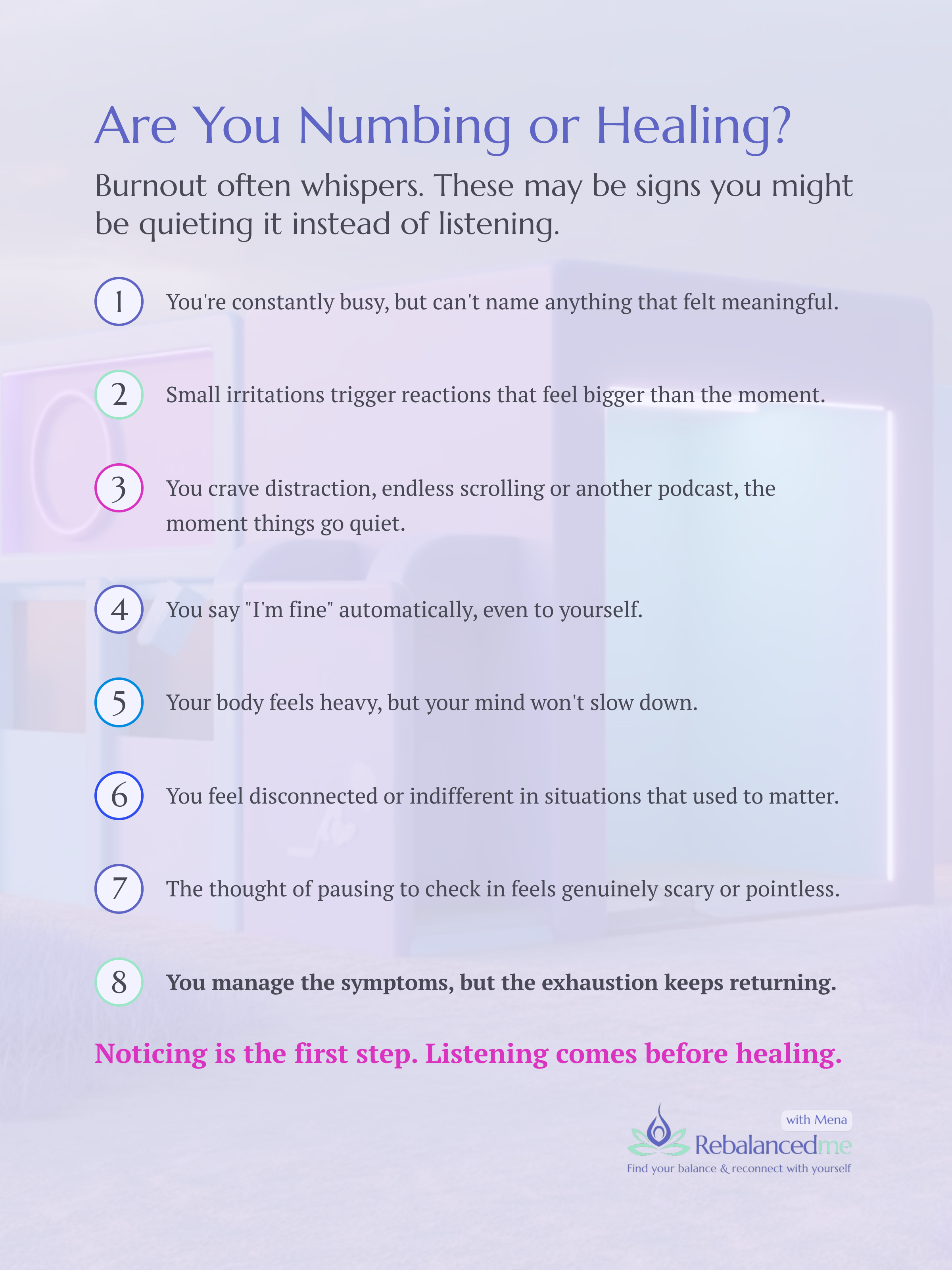
𝗕𝘂𝗿𝗻𝗼𝘂𝘁 𝗱𝗼𝗲𝘀𝗻'𝘁 𝗮𝗹𝘄𝗮𝘆𝘀 𝘀𝗵𝗼𝘂𝘁. 𝗦𝗼𝗺𝗲𝘁𝗶𝗺𝗲𝘀 𝗶𝘁'𝘀 𝘁𝗵𝗲 𝗾𝘂𝗶𝗲𝘁 𝘁𝗵𝗶𝗻𝗴𝘀 𝘄𝗲 𝗱𝗼 𝘁𝗼 𝗸𝗲𝗲𝗽 𝗶𝘁 𝗮𝘁 𝗯𝗮𝘆. Are you numbing or healing? Pause on these signs. 𝗡𝗼𝘁𝗶𝗰𝗶𝗻𝗴 𝗶𝘀 𝘁𝗵𝗲 𝗳𝗶𝗿𝘀𝘁 𝘀𝘁𝗲𝗽 𝘁𝗼𝘄𝗮𝗿𝗱 𝗹𝗶𝘀𝘁𝗲𝗻𝗶𝗻𝗴. 𝗪𝗵𝗶𝗰𝗵 𝗼𝗻𝗲 𝗳𝗲𝗲𝗹𝘀 𝗺𝗼𝘀𝘁 𝗳𝗮𝗺𝗶𝗹𝗶𝗮𝗿?
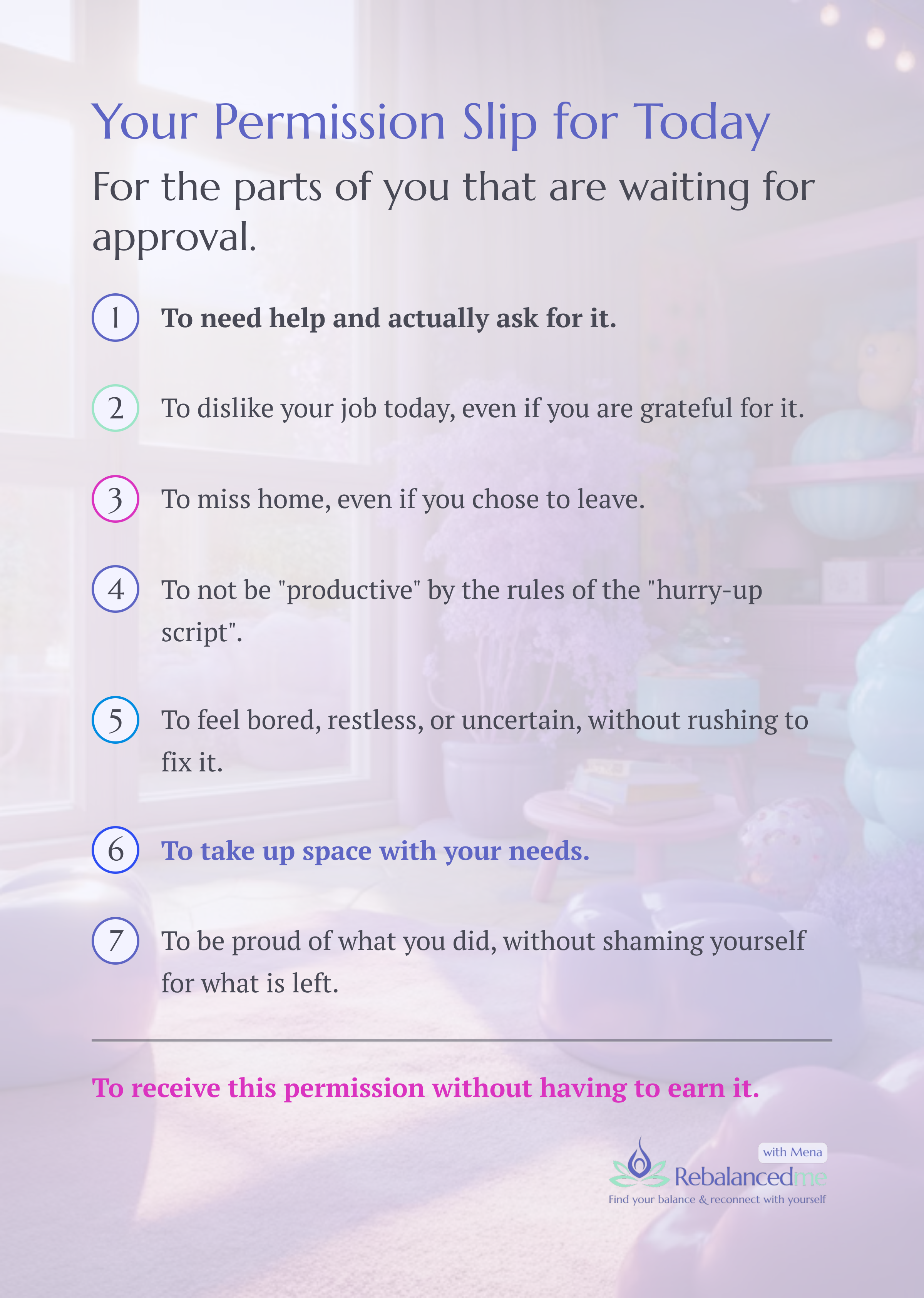
𝗬𝗼𝘂𝗿 𝗼𝗳𝗳𝗶𝗰𝗶𝗮𝗹 𝗽𝗲𝗿𝗺𝗶𝘀𝘀𝗶𝗼𝗻 𝘀𝗹𝗶𝗽 𝗳𝗼𝗿 𝘁𝗵𝗲 𝗱𝗮𝘆. ✨ These aren't small things. They're the quiet, daily acts of courage that rebuild you from the inside. Save this for the moments you need a reminder. 𝗪𝗵𝗶𝗰𝗵 𝗼𝗻𝗲 𝗳𝗲𝗲𝗹𝘀 𝗺𝗼𝘀𝘁 𝗹𝗶𝗸𝗲 𝘁𝗵𝗲 𝗽𝗲𝗿𝗺𝗶𝘀𝘀𝗶𝗼𝗻 𝘆𝗼𝘂 𝗻𝗲𝗲𝗱 𝘁𝗼𝗱𝗮𝘆?
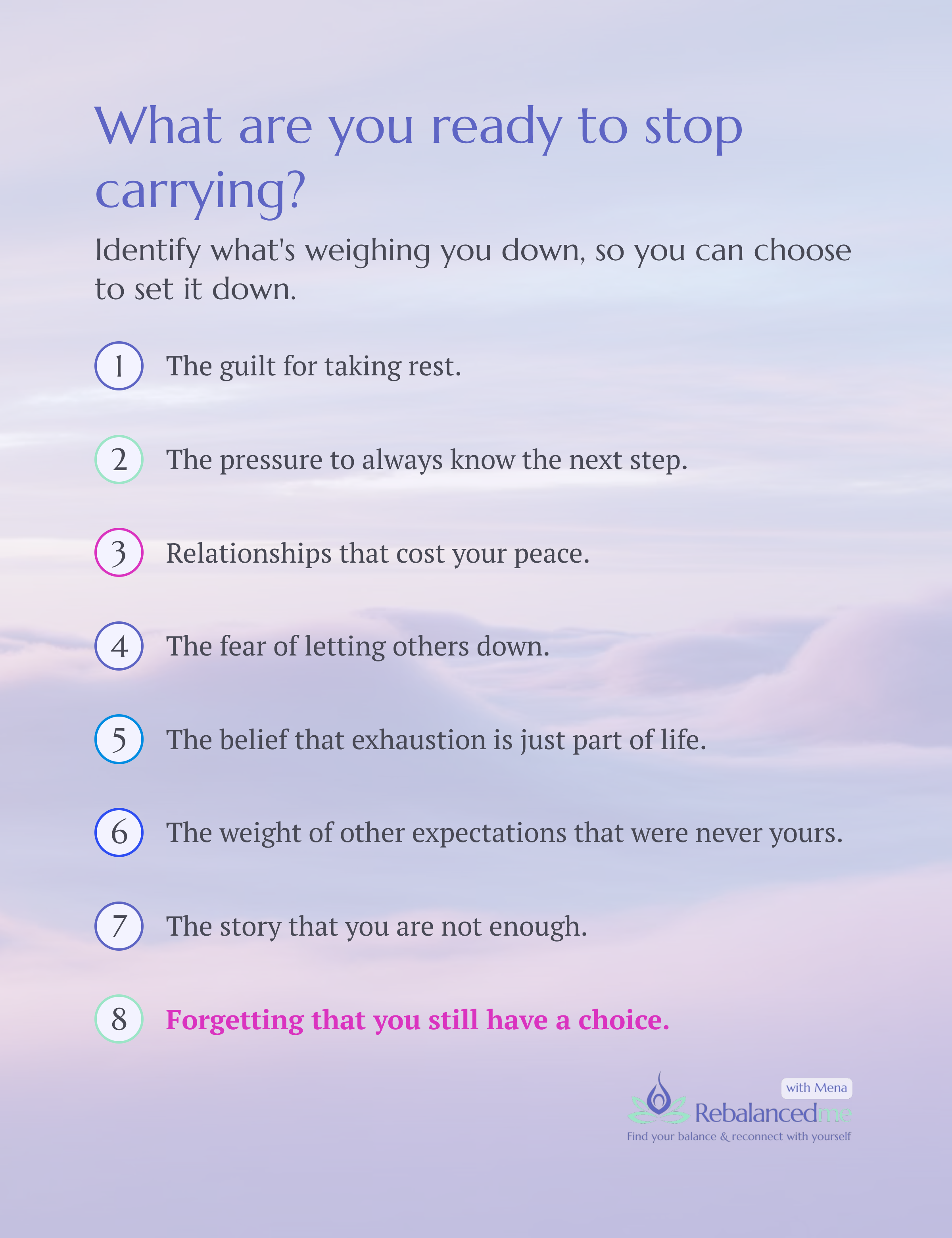
𝗪𝗵𝗮𝘁'𝘀 𝗼𝗻 𝘆𝗼𝘂𝗿 "𝗹𝗲𝘁 𝗴𝗼" 𝗹𝗶𝘀𝘁 𝗳𝗼𝗿 𝘁𝗵𝗶𝘀 𝘄𝗲𝗲𝗸? 🍂 Not everything deserves space in your life forever. Letting go is not a weakness, it is clarity. It is a choice. Save this as a gentle reminder. Which one feels true for you?